Aura Kasih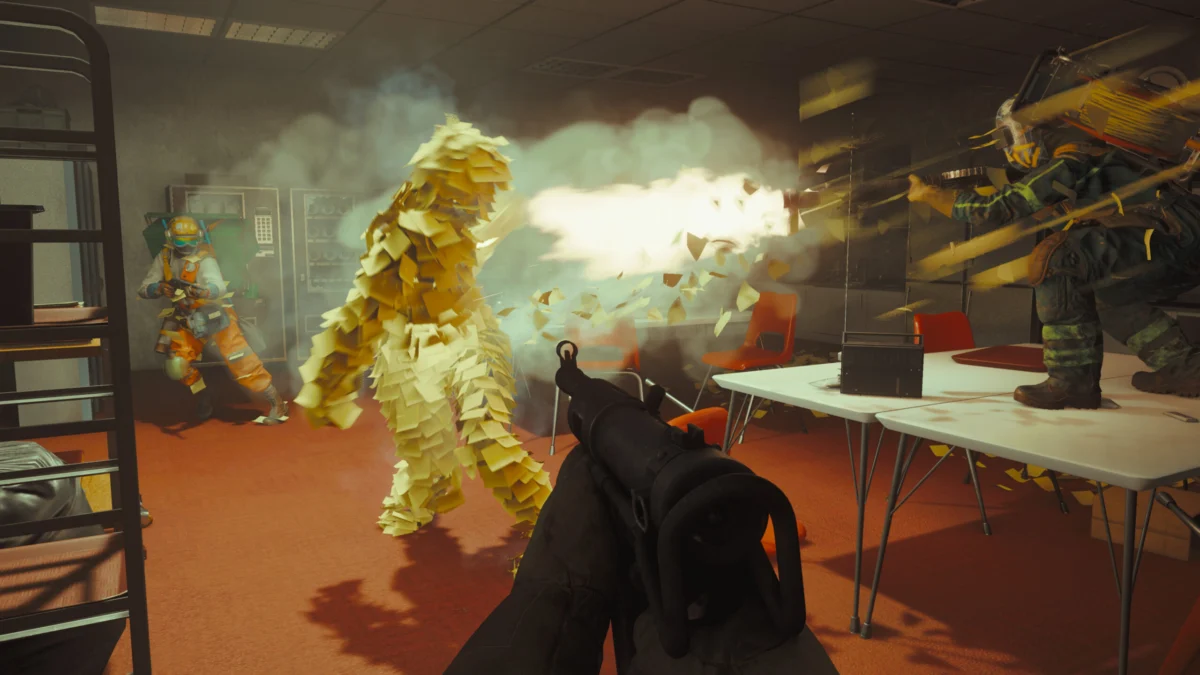
Finnish game developer Remedy Entertainment has announced the impending end of its live-service content pipeline for its team-based shooter, Firebreak. While the "Open House" update, launching today, marks the final significant addition of new material, the studio has pledged to maintain the game’s operational status and server availability for an extended period, a strategic decision underscoring the evolving landscape of online multiplayer gaming. This move comes amidst a broader industry trend where the sustainability of live-service models is under increasing scrutiny.
The "Open House" update introduces a curated selection of environments and assets previously featured in Remedy’s critically acclaimed title, Control. This crossover is a deliberate integration, drawing from the shared narrative universe that Firebreak inhabits. Beyond the new locales, the update focuses on refining the core player experience through a series of gameplay enhancements and balance adjustments. The stated objective of these changes is to foster a more intuitive, fluid, and responsive combat system, aiming to clarify player actions and improve overall game flow. A comprehensive breakdown of these modifications is available through the game’s official communication channels.
Distinguishing itself from the fate of numerous other online multiplayer titles that have ceased operations entirely, Firebreak is poised for continued accessibility. Remedy has proactively implemented engineering solutions designed to sustain the necessary server infrastructure even as player engagement naturally fluctuates. This forward-thinking approach to post-content-support operations is a testament to the studio’s commitment to its player base. Furthermore, in an effort to preserve and potentially cultivate a dedicated community, Remedy has introduced a "Friend’s Pass" feature. This initiative allows existing owners of Firebreak to invite friends to experience the game without charge, effectively expanding the potential player pool. Concurrently, the game’s price point has been adjusted to a more accessible $19.99, signaling a strategic shift towards long-term engagement rather than continuous revenue generation through new content. The studio has explicitly stated its intention for Firebreak to remain online and playable for an indefinite duration, projecting a lifespan of "years to come."

The launch of Firebreak represented a significant strategic pivot for Remedy Entertainment, a studio historically renowned for its narrative-driven, single-player experiences. Titles such as Control and Alan Wake have cemented the company’s reputation for crafting atmospheric worlds and compelling storytelling. Firebreak‘s debut as a self-published, online multiplayer title also signaled a broader ambition within Remedy to achieve greater autonomy and control over its intellectual property and development trajectory. This endeavor, however, was not without its challenges. The game encountered a difficult initial reception, and despite subsequent efforts to revitalize its performance and player base, it struggled to regain substantial traction in a highly competitive market. The ramifications of these performance metrics were significant, contributing to leadership changes within the company, including the departure of its Chief Executive Officer. The studio has characterized Firebreak‘s development and launch as an invaluable learning experience, particularly given its status as Remedy’s inaugural foray into online multiplayer development and its first self-published product. The current leadership is now steering the company towards projects that align more closely with its established strengths.
The challenges faced by Firebreak are emblematic of a wider trend within the video game industry, specifically the overextension into the live-service model. The market has demonstrated a palpable saturation, leading to a higher failure rate for titles that do not achieve immediate and substantial success. Recent months have seen the cessation of operations for other notable online games, and significant workforce reductions have impacted development teams working on prominent franchises, such as EA’s Battlefield. This environment necessitates that new live-service shooters achieve immediate market penetration and critical acclaim to avoid a similar trajectory to those that have faltered. The inherent risks associated with developing and maintaining live-service games, including substantial ongoing investment in infrastructure and content, have led many publishers and developers to reassess their strategies. The long-term viability of such models is increasingly contingent on an exceptionally strong launch and sustained player engagement, a benchmark that many aspiring titles fail to meet.
Looking ahead, Remedy Entertainment is demonstrably returning its focus to its core competencies with its upcoming projects. The confirmed sequel to Control, tentatively titled Resonant, is set to transition the franchise into an action-RPG format. This shift suggests a renewed emphasis on deep narrative engagement and character progression, areas where Remedy has consistently excelled. The development of Resonant signals a strategic reinvestment in the intellectual property that has garnered significant critical acclaim and a dedicated fanbase, leveraging the established lore and world-building of the Control universe. This move away from the live-service model for its flagship franchise indicates a calculated response to market dynamics and a commitment to delivering experiences that align with the studio’s proven strengths.
The strategic decisions made by Remedy Entertainment concerning Firebreak offer a compelling case study in the complexities of the modern video game market. The studio’s commitment to long-term game accessibility, even in the absence of new content, represents a thoughtful approach to player retention and community management. It acknowledges the desire of players to continue engaging with titles they enjoy, regardless of their commercial trajectory. This model, while potentially less lucrative in the short term than continuous content sales, can foster goodwill and cultivate a dedicated, albeit smaller, player base. The industry’s ongoing recalibration of live-service strategies suggests a growing recognition of the need for sustainable models that prioritize player experience and long-term engagement over aggressive monetization. As developers navigate this evolving landscape, the lessons learned from titles like Firebreak will undoubtedly inform future design choices and business strategies, shaping the future of online multiplayer gaming. The transition from a live-service model to a sustained accessibility approach for Firebreak highlights a maturing understanding within the industry about the diverse paths to player satisfaction and commercial longevity. The success of such strategies will be closely observed as other studios grapple with similar decisions regarding their own live-service titles.


 Ridwan Kamil
 Ayu Aulia