Aura Kasih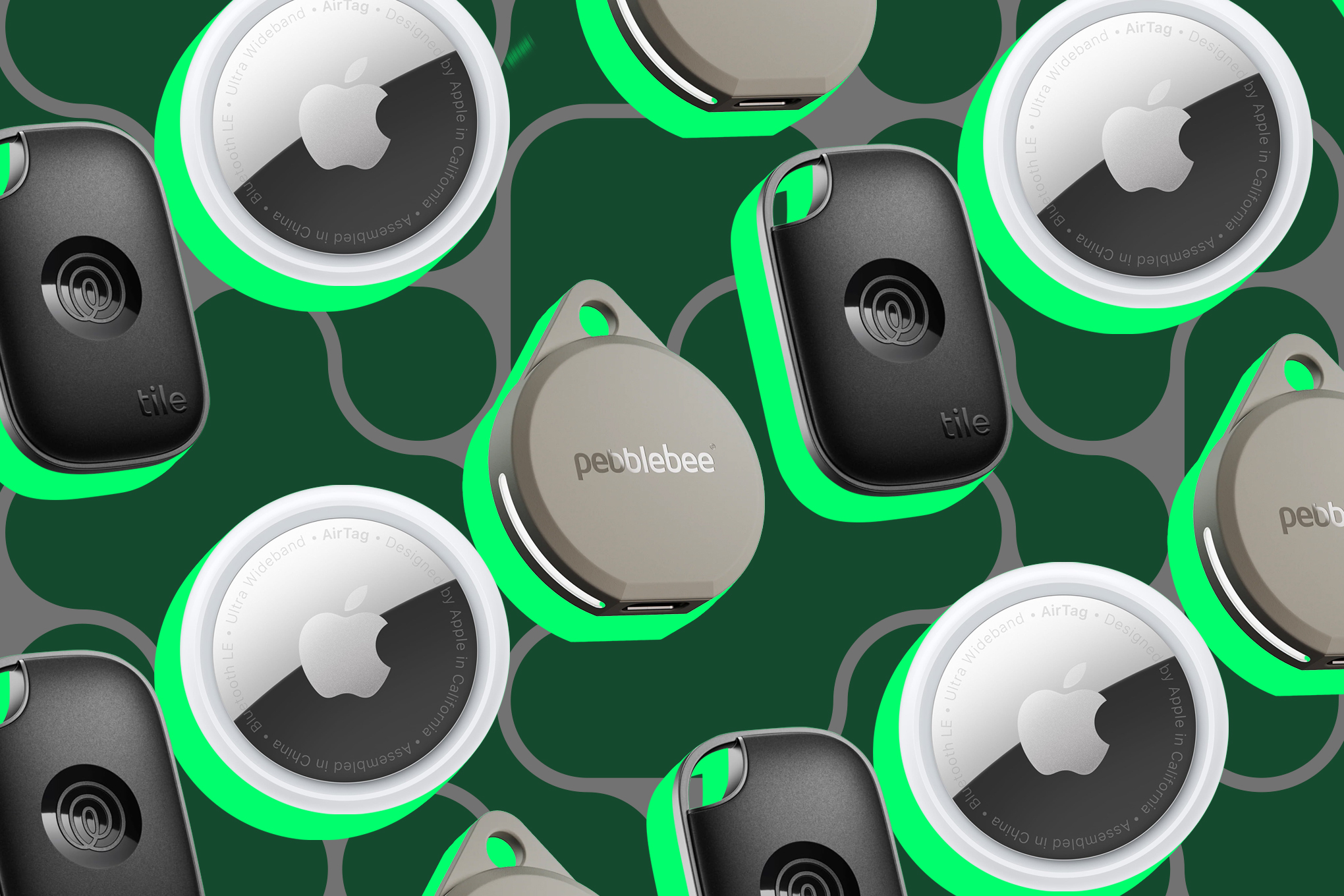
In an era where our lives are increasingly intertwined with digital convenience, the nagging frustration of misplacing essential items like keys, wallets, or even the elusive TV remote persists for many. For those who find themselves frequently retracing their steps, a sophisticated category of personal tracking devices has emerged: Bluetooth trackers. These compact gadgets, once a simple solution for locating nearby objects, have evolved into powerful tools leveraging advanced technology to offer unparalleled peace of mind for both Apple and Android users.
The fundamental concept behind Bluetooth trackers remains elegantly straightforward: attach the device to an item, pair it with your smartphone via a dedicated application, and then use that app to emit a sound from the tracker when the item goes astray. However, the current generation of these devices transcends this basic functionality, incorporating cutting-edge features that significantly enhance their utility. The integration of ultra-wideband (UWB) chips, for instance, unlocks precision finding capabilities, allowing users to pinpoint the exact location of an item within a room with remarkable accuracy. Furthermore, many trackers now benefit from vast crowdsourced networks, such as those maintained by Apple and Google, dramatically expanding the reach for locating lost possessions far beyond the confines of one’s home. Advanced features also include proactive alerts to notify users if they’ve inadvertently left an item behind, and some even incorporate QR codes that can display owner contact information, facilitating the return of misplaced belongings by any samaritan who finds them.
Despite their undeniable convenience, the proliferation of these tracking technologies has also raised important considerations regarding privacy and security. Early iterations of devices like Apple’s AirTags, while revolutionary in their tracking capabilities, inadvertently highlighted the potential for misuse, including applications in stalking and the tracking of stolen goods. In response to these concerns, manufacturers have significantly bolstered their anti-stalking protocols. Apple, for example, has implemented more robust detection alerts and a dedicated Android app for scanning for unknown AirTags. Similarly, companies like Tile have introduced features designed to mitigate unwanted tracking. A significant development in this space is the joint initiative by Apple and Google to establish a cross-platform standard for unwanted tracking alerts, ensuring that both iOS and Android users receive notifications if an unknown tracker is detected moving with them. While this unified standard is still being implemented across various tracker brands, understanding the current capabilities and privacy approaches of individual devices is paramount when selecting the optimal solution for one’s needs.
The Pinnacle of Precision: Apple AirTag for iPhone Ecosystems
For users deeply embedded within the Apple ecosystem, the second-generation Apple AirTag stands as the preeminent choice for item tracking. Its integration with Apple’s expansive Find My network provides a seamless and highly effective tracking experience. The latest iteration of the AirTag boasts an enhanced ultra-wideband (UWB) chip, a key component responsible for its signature Precision Finding feature. This technology, when combined with the Find My app, guides users with on-screen directional cues, transforming the often-frustrating hunt for lost items into a precise, almost game-like endeavor.

During extensive testing, the AirTag consistently demonstrated superior accuracy in guiding users to misplaced objects. Whether it was a spare set of keys tucked away in a closet or a wallet accidentally left in another room, the AirTag’s directional guidance proved invaluable. This level of precision significantly outperforms many competing Bluetooth trackers, even those designed to be compatible with the Find My network. The expanded Bluetooth range of the latest AirTags further enhances their utility in larger homes or multi-story dwellings, increasing the likelihood of a reliable connection. Moreover, recent software updates to iOS have introduced features that allow users to share their AirTag’s location with select airlines, a crucial benefit for tracking checked luggage during travel. This enhanced functionality, coupled with the device’s intuitive interface and the sheer breadth of the Find My network, solidifies the AirTag’s position as the top-tier tracker for iPhone users.
While the AirTag’s performance is exceptional, there are a few considerations. The initial purchase price of $29.99 does not include a holder or attachment mechanism, necessitating an additional purchase to secure it to items like keys or bags. Furthermore, the ethical implications of tracking technology remain a significant discussion point. Apple has been proactive in addressing concerns regarding unwanted tracking by implementing stricter detection alerts, reducing the notification delay for unknown AirTags, and enhancing the audibility of the tracker’s chime. The introduction of a dedicated Android app for scanning for unknown AirTags also demonstrates a commitment to mitigating potential misuse.
Ubiquitous Connectivity: Tile Pro for Android and Cross-Platform Households
For Android users, and indeed for households with a mix of Apple and Android devices, Tile trackers continue to represent the most robust and versatile solution. While many trackers are now aiming for cross-platform compatibility, Tile’s established network and comprehensive feature set make it a compelling choice. The company offers a range of form factors to suit diverse needs, including the credit card-thin Tile Slim, the compact Tile Mate, the adhesive Tile Sticker, and the flagship Tile Pro.
The Tile Pro, in particular, earns our recommendation for its superior performance. This keyfob-style tracker is larger than the Tile Mate, providing a longer Bluetooth range of up to 500 feet, and boasts the loudest audible alert among all Tile devices. Critically, unlike many other Tile models, the Pro features a user-replaceable CR2032 battery, offering long-term cost savings and convenience.
Tile’s trackers function by leveraging both the dedicated Tile Network and, through an integration with Amazon Sidewalk, a broader network of connected devices. While these networks may not possess the sheer scale of Apple’s Find My or Google’s Find Hub, our testing has indicated that Tile continues to excel in tracking items beyond the immediate Bluetooth range, particularly in urban environments. A significant differentiator for Tile is its proactive approach to privacy and security. The company has implemented an "anti-theft" feature that renders trackers invisible to detection if an item is reported stolen, a measure that requires identity verification and carries strict penalties for misuse. Additionally, Tile offers a "Scan and Secure" tool, enabling users to proactively scan their surroundings for unknown Tile devices, though this requires user initiative.

Beyond tracking, Tile integrates seamlessly with the Life360 app, providing enhanced safety features such as SOS alerts to designated emergency contacts. New Tile purchasers are also eligible for a limited-time premium subscription that includes reimbursement for lost items, free replacements for damaged trackers, and extended location history. While a subscription is eventually required for full access to these advanced features, the core tracking functionality remains robust and accessible.
Bridging the Divide: Pebblebee Clip 5 – The Universal Tracker
In the evolving landscape of personal tracking, the Pebblebee Clip 5 emerges as a compelling all-around solution, particularly for users seeking a device that harmoniously integrates with both Apple’s Find My and Google’s Find Hub networks. This dual-network compatibility represents a significant leap forward, offering a level of cross-platform flexibility previously unavailable. The setup process is remarkably straightforward for both iOS and Android users. However, it’s important to note that while the Clip 5 supports both networks, certain advanced features like geofencing and "left behind" alerts are dependent on the chosen network. Apple’s Find My network, for instance, offers more comprehensive proactive alerts.
What truly sets the Pebblebee Clip 5 apart is its innovative rechargeable battery. Lasting up to a year on a single charge, its longevity is impressive, and the convenience of a USB-C charging port eliminates the need for frequent battery replacements. The advertised Bluetooth range extends to an impressive 500 feet, surpassing that of many competitors, including the Tile Pro. The device also features a more visible LED indicator and a louder audible alert, enhancing its effectiveness in dimly lit or noisy environments.
Further enhancing its user-friendliness, the Clip 5 integrates with the Pebblebee app, allowing for voice tagging with Amazon Alexa and Google Assistant, and the ability to ring your phone by double-tapping the tracker. While slightly larger than an Apple AirTag, its integrated keyring eliminates the need for additional accessories. With an IP66 rating for dust and water resistance, it offers a good degree of durability.
A Sleek Solution for Wallets: Pebblebee Card 5

For those whose primary concern is securing their wallet, the Pebblebee Card 5 presents a highly refined and functional alternative to the bulkier AirTag. This ultra-thin tracker, measuring a mere 1.8mm, is designed to slip seamlessly into any wallet, offering a discreet yet effective tracking solution. Like its sibling, the Clip 5, the Card 5 boasts dual compatibility with both Apple’s Find My and Google’s Find Hub networks, providing unparalleled flexibility for users across different mobile platforms.
The Card 5’s standout feature is its exceptionally long-lasting rechargeable battery, capable of providing up to 18 months of operation on a single charge. Coupled with Qi wireless charging support, it offers a maintenance-free experience that many users will find invaluable. While it lacks the ultra-wideband precision tracking of the AirTag, its significantly louder audible alert compensates for this limitation, making it easier to locate a misplaced wallet, even when it’s buried deep within a bag or under cushions. The device also adheres to the Find My network’s standards for unwanted tracking alerts, providing an additional layer of security.
The sleek form factor, combined with the robust battery life and dual-network compatibility, positions the Pebblebee Card 5 as a top contender for wallet tracking. Its integration with the Pebblebee app, voice assistant support, and phone-finding capabilities further enhance its utility.
Other Notable Contenders in the Bluetooth Tracker Market
Beyond the primary recommendations, several other devices offer compelling features and cater to specific user needs:
-
Chipolo Pop and Chipolo Loop: The Chipolo Pop offers a colorful, lightweight alternative to the AirTag, compatible with either Apple’s Find My or Google’s Find Hub networks (selectable at setup). It features a louder beep, a remote phone-finding function, and a replaceable battery. The Chipolo Loop, a slightly more premium option, adds USB-C charging, a built-in ring, and enhanced water resistance. Both devices provide reliable tracking within their respective networks, though Google’s network can be less consistent for out-of-home tracking compared to Tile.

-
Samsung SmartTag2: For users exclusively within the Samsung Galaxy ecosystem, the SmartTag2 is a strong contender. It offers ultra-wideband tracking for precise location finding and taps into the Galaxy Find network. While limited to Samsung devices, it provides an improved user experience, longer battery life, and a redesigned form factor.
-
Motorola Moto Tag: This tracker is notable for being among the first to leverage Google’s Find Hub network with ultra-wideband technology on compatible phones. It offers precise directional finding capabilities for in-home tracking and a respectable IP67 rating for durability. However, its performance in locating items outside the home is less robust than some competitors. The upcoming Moto Tag 2 promises extended battery life and improved durability.
-
Chipolo Card: This slim, wallet-friendly tracker operates with either Apple’s Find My or Google’s Find Hub network and offers Qi wireless charging. It provides a good Bluetooth range and a decent battery life, making it a solid, straightforward option for wallet security.
-
Eufy SmartTrack Card E30 / E40: The Eufy SmartTrack Card E30 is compatible with Apple’s Find My network and features a QR code for easy item return. Its upcoming successor, the E40, will add support for Google’s Find Hub network and include enhanced audio and charging capabilities.
Evaluating Tracker Performance: Key Considerations
When assessing the efficacy of Bluetooth trackers, several critical factors come into play:

-
Network Reach: The primary differentiator lies in whether a tracker is limited to Bluetooth range or can leverage expansive crowdsourced networks like Apple’s Find My, Google’s Find Hub, or Amazon Sidewalk. The greater the network, the higher the probability of locating a lost item, even when it’s far from the user.
-
Audibility and Precision: The loudness of the tracker’s alert is crucial for locating items in noisy environments. Furthermore, the presence of ultra-wideband technology significantly enhances precision finding, allowing users to pinpoint an item’s exact location with directional guidance.
-
Privacy and Security Features: Given the potential for misuse, robust anti-stalking measures are essential. This includes timely notifications for unknown trackers, clear user education, and proactive updates to security protocols.
-
Subscription Models: Some trackers offer advanced features or extended functionality through a recurring subscription. Evaluating whether these premium features justify the ongoing cost is an important consideration.
-
Battery Life and Replaceability: The longevity of a tracker’s battery is a key convenience factor. Devices with user-replaceable batteries offer a more sustainable and cost-effective solution in the long run compared to those requiring a full device replacement when the battery expires.
In conclusion, the market for Bluetooth trackers offers a diverse array of solutions tailored to the needs of both Apple and Android users. By understanding the core technologies, network capabilities, and privacy considerations, individuals can confidently select a device that provides the optimal balance of convenience, security, and peace of mind in navigating the modern challenges of keeping track of their most important possessions.


 Lisa Mariana
 Ridwan Kamil