Lisa Mariana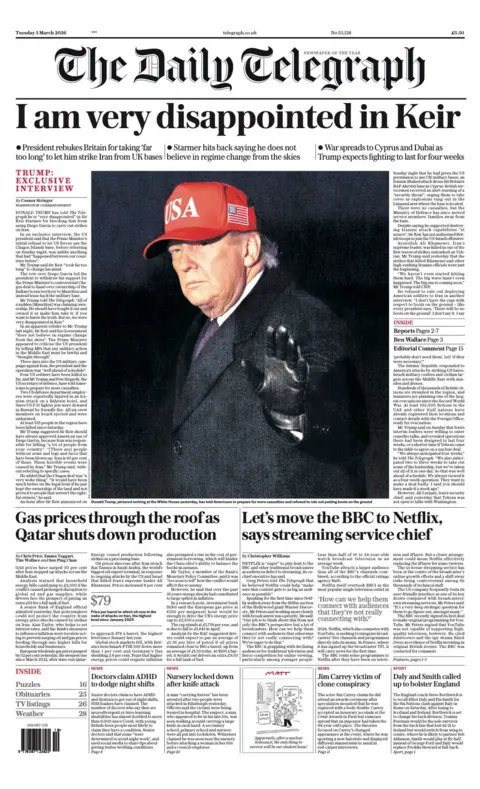
A rapidly intensifying conflict across the Middle East has plunged the region into a state of profound instability, triggering widespread global alarm and significant diplomatic friction, particularly between the United States and the United Kingdom. The ongoing hostilities, characterized by aggressive military actions and reciprocal vows of retaliation, have entered their third day, reshaping regional dynamics and sending shockwaves through international energy markets and political capitals.
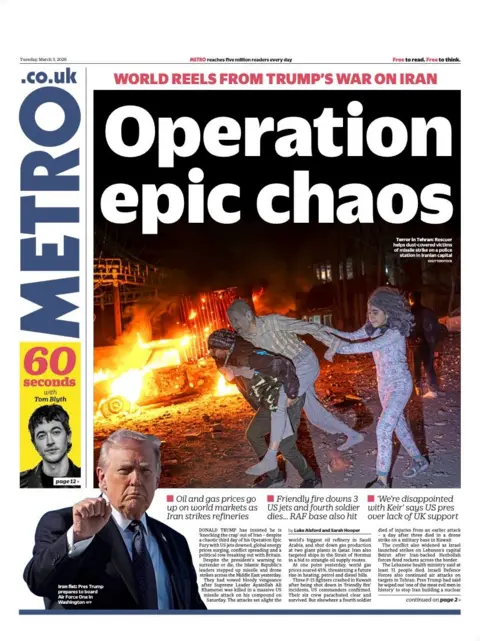
The current escalation follows a decisive American military operation, reportedly codenamed "Operation Epic Fury," which resulted in the targeted killing of a prominent Iranian Ayatollah. This strike, perceived as a severe blow to the Iranian leadership, has ignited a fierce response from Tehran, with Iranian authorities publicly declaring their intention for "bloody vengeance." U.S. President Donald Trump has adopted an exceptionally assertive posture, asserting that his administration is engaging in forceful punitive actions against Iran. His rhetoric suggests an intent to significantly degrade Iran’s capabilities, with statements indicating that the initial phase of strikes is merely a precursor to a much larger offensive. The president conveyed a strong belief that a "big wave" of more impactful strikes is imminent, hinting at a potentially swift resolution to the conflict, even suggesting an end within approximately five weeks.
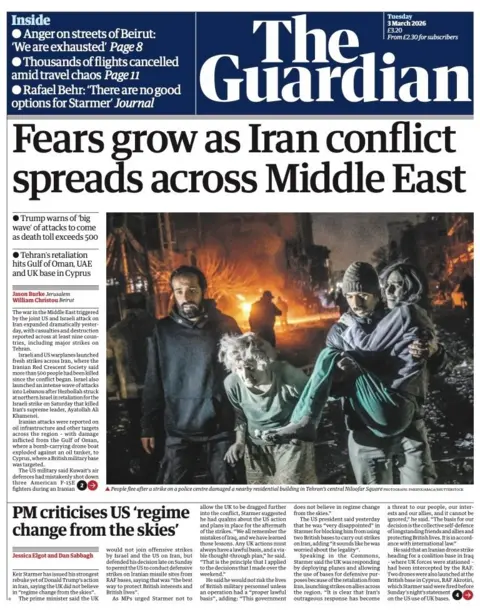
The military engagement has expanded dramatically beyond its initial flashpoints, with reports indicating casualties and significant destruction across at least nine countries in the broader Middle East. This broadening geographic scope underscores the volatile nature of the crisis and the intricate web of alliances and proxy forces at play. Photographs circulating from Tehran depict scenes of chaos, with residential structures damaged and citizens fleeing amidst debris and burning vehicles following reported strikes. Such imagery serves as a stark reminder of the human cost of the escalating violence, intensifying fears of a wider regional conflagration.
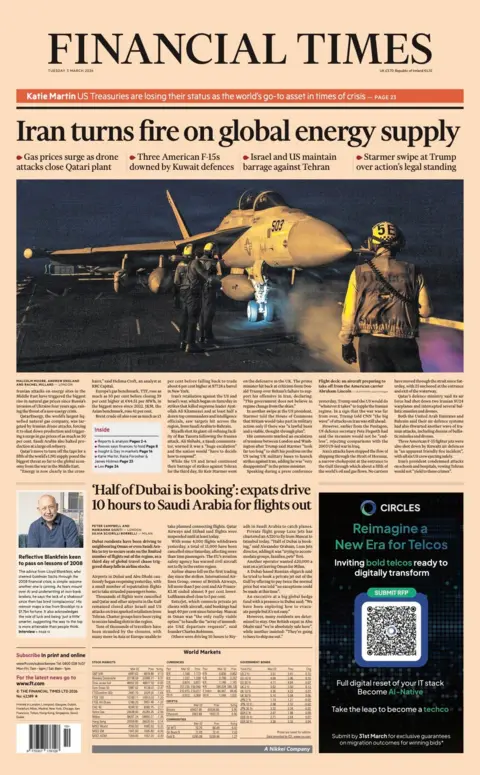
Beyond the immediate human toll, the conflict has profound economic implications, particularly for global energy security. Iranian forces have reportedly launched targeted attacks against key energy infrastructure across the region. These actions have provoked the largest surge in natural gas prices since the Russian invasion of Ukraine four years prior, signaling significant market volatility and raising concerns about energy supply chains. Crucially, Iran’s military operations have also disrupted maritime traffic through the Strait of Hormuz, a critical choke point through which approximately one-fifth of the world’s oil and natural gas supplies traverse. Any sustained blockage of this strategic waterway would inevitably lead to further dramatic increases in global energy costs, posing a severe threat to the world economy. Financial analysts are closely monitoring the situation, anticipating potential long-term inflationary pressures and a dampening effect on global economic growth if the disruption persists. While some financial advisories have urged restraint against panic buying of fuel, the potential for significant price adjustments at the consumer level remains a palpable concern.
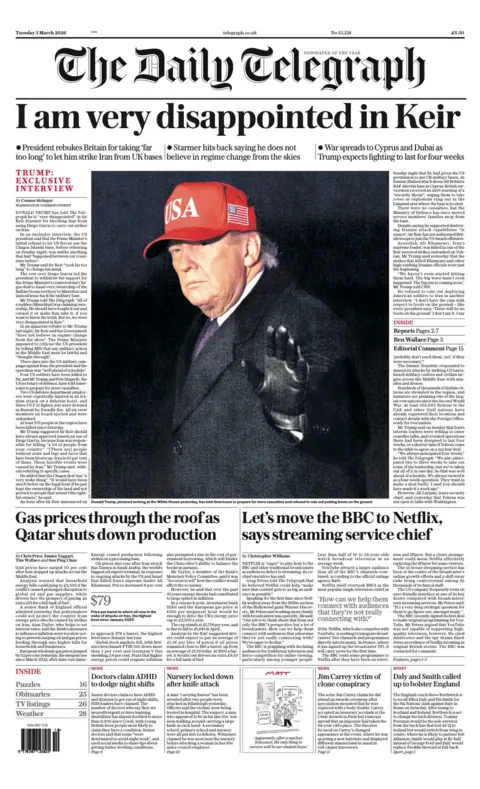
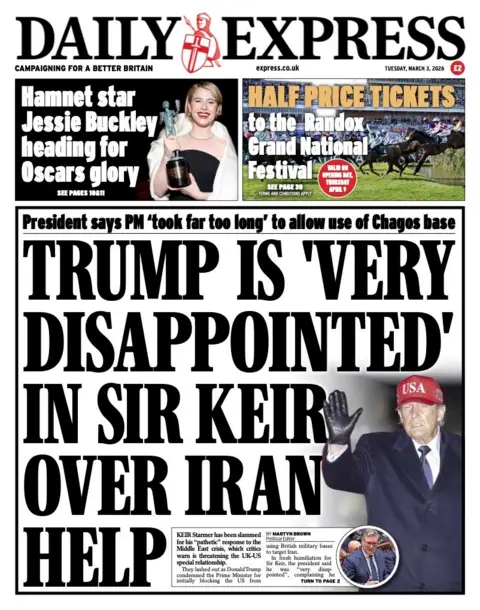
The escalating crisis has also exposed significant rifts within traditional transatlantic alliances, particularly between Washington and London. British Prime Minister Sir Keir Starmer has faced considerable scrutiny and direct criticism from President Trump regarding the United Kingdom’s initial response to the military actions. Starmer’s initial reluctance to permit American forces the use of British military bases for operations related to the conflict drew a sharp rebuke from the U.S. president. Although permission was eventually granted, Trump publicly expressed his profound "disappointment," emphasizing that the decision took "far too long." This criticism, conveyed directly through media interviews, highlights a perceived lack of immediate solidarity from a key ally during a period of intense military engagement.
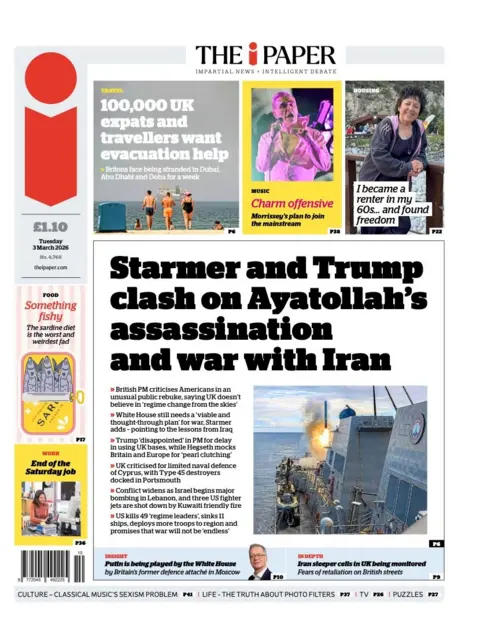
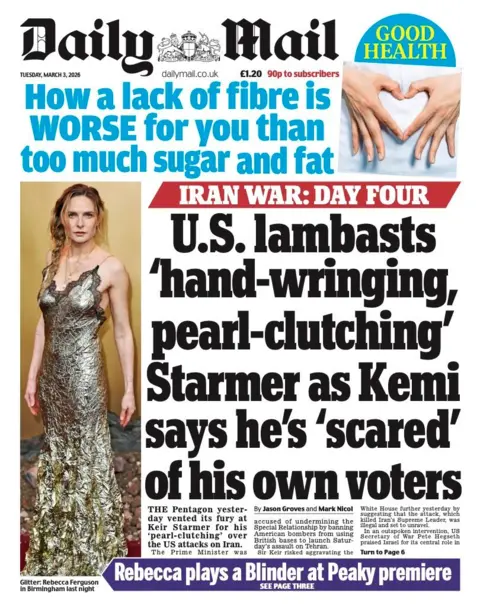
This diplomatic friction has been exacerbated by a divergence in strategic and ethical perspectives. Prime Minister Starmer issued what has been described as an "unusual public rebuke" of the U.S. approach, stating that the United Kingdom does not endorse "regime change from the skies." He further suggested that the American-led operation against Iran might be illegal and prone to unraveling. Such statements represent a notable departure from the customary alignment between the two nations on critical security matters. In response, high-ranking U.S. officials have not shied away from public criticism of European, and by extension, British, hesitancy. U.S. Secretary of Defense Peter Hegseth notably derided what he characterized as "hand-wringing" and "pearl-clutching" from European allies, implying a lack of resolve in confronting regional threats.
The U.K.’s position has become even more precarious following a reported "blitz" on an RAF base in Cyprus. Despite this direct attack on British interests, Prime Minister Starmer has reportedly ruled out immediate military retaliation. This decision has drawn comparisons from some political commentators to historical wartime leadership, particularly referencing Sir Winston Churchill’s famous "action this day" directive during World War II. Critics suggest that Starmer’s perceived inaction presents a "stark contrast" to such historical precedents, potentially undermining the U.K.’s deterrent posture and further straining the "special relationship" with the United States. This ongoing diplomatic exchange, coupled with the military developments, underscores the immense pressure on Prime Minister Starmer to navigate a complex geopolitical landscape while balancing domestic political considerations with international alliance obligations. The "special relationship," a cornerstone of both nations’ foreign policy for decades, appears to be undergoing a period of significant stress, potentially impacting future joint strategic endeavors and intelligence sharing.
The humanitarian dimension of the crisis is also rapidly unfolding. Over 102,000 British citizens have reportedly registered with the Foreign Office, seeking assistance and potential evacuation from the affected areas. This significant number highlights the immediate and tangible impact of the conflict on expatriate communities and underscores the growing "chaos and fear" permeating the region. Emergency contingency plans are reportedly being drawn up, indicating the gravity with which the situation is being assessed by international governments.

From a strategic analysis perspective, the intensity of Iran’s response suggests that the U.S. administration may have underestimated the depth of the Iranian regime’s resolve and its capacity for retaliation following the initial targeted strike. While the American operation may have achieved its immediate objective of eliminating a key figure, the subsequent widespread conflict indicates a complex and resilient adversary. President Trump’s continued strong rhetoric, including claims that the "big one is coming soon" and that the U.S. has yet to begin "hitting them hard," suggests an intent for sustained and possibly escalating military pressure. While he has not explicitly ruled out a ground invasion, his comments imply that air and missile strikes are currently the preferred method of engagement.
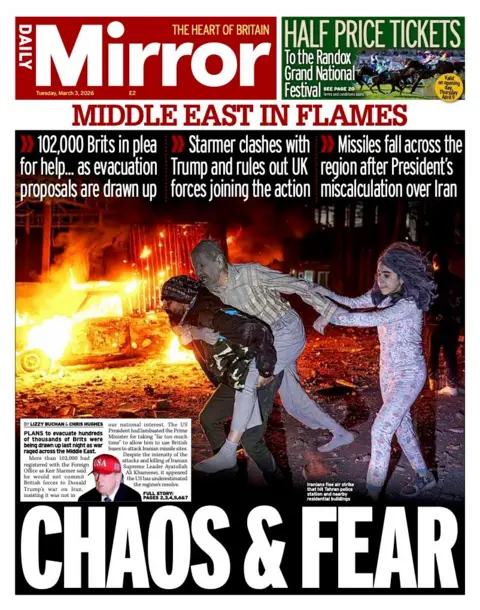
The path forward remains highly uncertain. The current trajectory of escalating military action, coupled with the rhetoric from both sides, indicates a high risk of further regional destabilization. The possibility of prolonged conflict, with its attendant economic and human costs, looms large. International efforts for de-escalation and mediation appear challenging in the face of such entrenched positions and assertive military postures. The interconnectedness of global security and economic stability means that the repercussions of this Middle East crisis will undoubtedly resonate far beyond the region, demanding astute diplomatic navigation and strategic foresight from all major global actors. The coming weeks are likely to be critical in determining whether the current "epic chaos" can be contained or if it will lead to a more profound and lasting reshaping of the geopolitical order.




 Aura Kasih
 Ridwan Kamil