
 Aura Kasih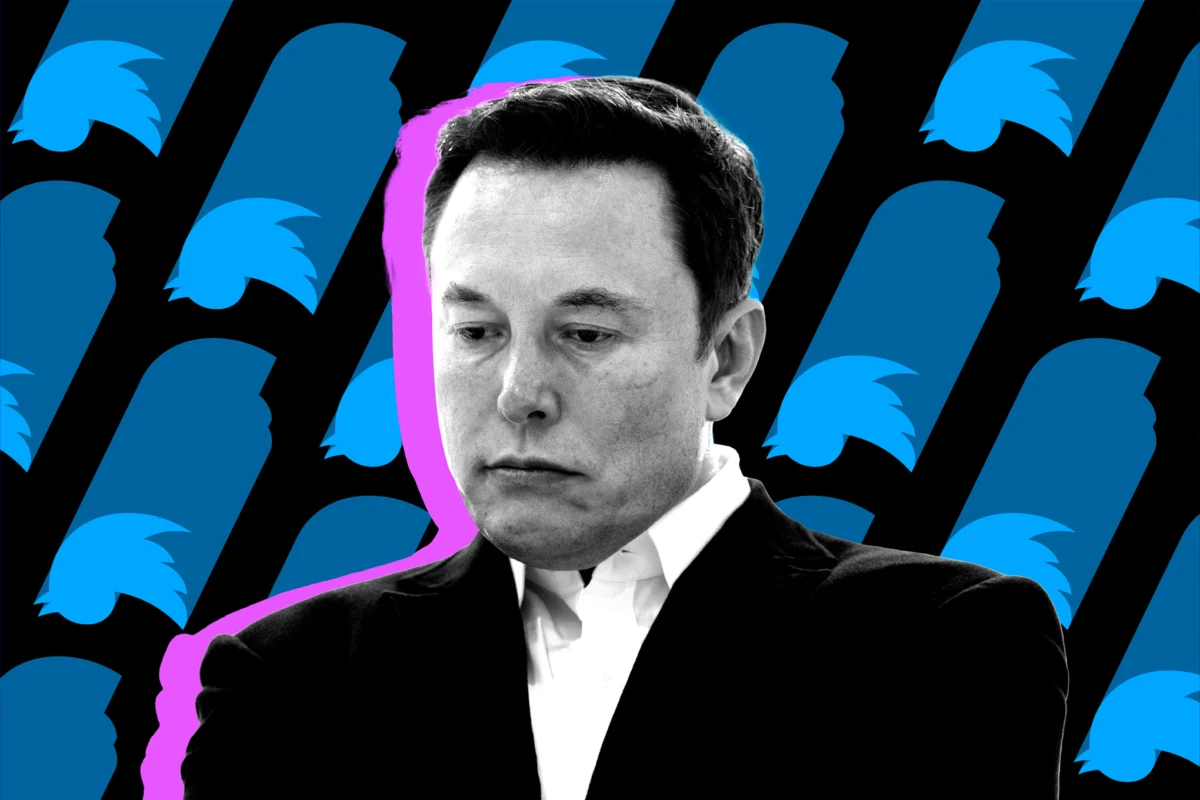
A significant legal decision has been rendered, with a jury finding that the pronouncements made by technology magnifter Elon Musk via social media platforms directly contributed to financial setbacks for Twitter shareholders, particularly in the period preceding his acquisition of the company. The ruling establishes that certain public statements made by Musk contained misleading information, prompting investors to divest their holdings at prices lower than what would have been realized had the market not been influenced by these communications. This verdict marks a crucial moment in the ongoing scrutiny of corporate leaders’ public statements and their impact on market dynamics and investor confidence.
The core of the legal dispute centered on a series of tweets disseminated by Musk in the spring of 2022, a period when he was actively negotiating to purchase Twitter for a sum approaching $44 billion. Investors contended that Musk’s public commentary, specifically his expressed concerns regarding the prevalence of spam and bot accounts on the platform, created a climate of uncertainty that depressed Twitter’s stock value. This decline, they argued, directly impacted the financial outcomes for those who sold their shares during this volatile period, as the final acquisition price, while substantial, was allegedly undermined by the market’s reaction to Musk’s public statements.
Musk, known for his prolific and often unconventional use of social media, had himself acknowledged the potential for his digital pronouncements to be perceived as erratic. During the proceedings, he reportedly conceded that if the trial were solely about the nature of his tweets, he would plead guilty to making "stupid tweets." This admission, while perhaps intended to be self-deprecating, underscores the significant influence his online persona wields and the potential for it to intersect with significant financial transactions.
The jury’s determination was that two specific tweets, dated May 13th and May 27th, 2022, were "materially false or misleading." This finding suggests that the information conveyed in these posts did not accurately reflect the situation or was presented in a manner that could reasonably lead investors to a mistaken conclusion. The implication is that these statements, rather than being mere casual observations, carried a weight that swayed market sentiment and investor behavior, ultimately leading to losses for those who reacted to them by selling their shares at a disadvantageous price.
The class action lawsuit was initiated by investors shortly after Musk’s agreement to acquire Twitter, a process that was far from smooth. After initially attempting to withdraw from the deal in July 2022, citing concerns over the accuracy of Twitter’s disclosures regarding fake accounts, Musk engaged in a protracted legal battle. He accused Twitter and its executives of fraudulent misrepresentation, leading to months of intense legal maneuvering. Ultimately, in early October 2022, he relented and agreed to proceed with the acquisition at the initially proposed price. This tumultuous acquisition saga provided fertile ground for shareholder grievances.
The legal framework governing securities markets often hinges on the principle of full and fair disclosure. Publicly traded companies are expected to provide accurate and material information to investors to enable informed decision-making. When individuals in positions of significant influence, particularly those seeking to acquire a company, make public statements that are later deemed to be misleading, it can create a ripple effect of financial consequences. The jury’s verdict in this case appears to affirm the principle that such statements, especially when made by a figure as prominent as Elon Musk, can indeed have a material impact on market valuations and investor portfolios.
The potential damages in this case are substantial, with attorneys for the plaintiffs suggesting they could reach as high as $2.6 billion. This figure represents the aggregate losses experienced by investors who sold their Twitter shares at prices lower than what the jury has determined would have been the case in the absence of Musk’s allegedly misleading tweets. The scale of this potential financial liability highlights the seriousness with which the court has approached the allegations and the perceived impact of Musk’s communications.
While the jury found that Musk did not engage in a specific, premeditated scheme to defraud shareholders, their ruling on the misleading nature of the tweets is significant. This distinction is crucial in securities litigation. It suggests that even if there was no overt intent to deceive, the dissemination of false or misleading information that foreseeably leads to investor losses can still result in liability. The focus, therefore, shifts from proving malicious intent to demonstrating the impact of the communication itself on the market.

The background of this case is intertwined with the broader discourse surrounding social media’s influence on financial markets. In an era where platforms like Twitter allow for instantaneous and widespread dissemination of information, the pronouncements of influential figures can move markets with unprecedented speed and volatility. This case serves as a stark reminder of the responsibilities that accompany such influence. Corporate leaders, while entitled to express their views, must navigate the delicate balance between public communication and their fiduciary duties, especially when significant financial transactions are involved.
The legal ramifications of this verdict extend beyond the immediate parties involved. It could set a precedent for future cases where the public statements of corporate executives, particularly those made on social media, are alleged to have caused financial harm to investors. It underscores the importance of careful consideration and accuracy in all public communications, especially during periods of significant corporate activity. The concept of "materiality" in securities law—whether a piece of information would likely influence an investor’s decision—appears to have been a key factor in the jury’s deliberation.
Musk’s attorneys have indicated their intention to appeal the verdict. Appeals in such cases typically focus on alleged errors in law during the trial, the admissibility of evidence, or the jury’s interpretation of the facts. The outcome of any appeal will be closely watched, as it could either reinforce the current ruling or provide a different perspective on the legal responsibilities of influential figures in the digital age. The legal intricacies of securities law are complex, and appeals can often lead to prolonged legal battles.
The acquisition of Twitter by Elon Musk was a landmark event, representing one of the largest leveraged buyouts in recent history. The platform itself plays a significant role in public discourse, and its ownership by a figure as prominent as Musk naturally generated immense scrutiny. The ongoing legal and financial reverberations of this acquisition continue to unfold, with this jury verdict representing a significant development in the ongoing narrative.
The jury’s decision to focus on the specific content and timing of Musk’s tweets suggests a meticulous examination of the evidence presented. The two tweets in question reportedly raised concerns about the accuracy of Twitter’s self-reported figures on active users, particularly the percentage of bots and spam accounts. Musk’s public skepticism on this issue was a key factor in his initial attempt to withdraw from the deal, and it appears to have been central to the investors’ claims of misleading communication.
In the broader context of corporate governance and investor protection, this verdict reinforces the notion that even seemingly informal communication channels can carry significant legal weight. The line between personal opinion and material corporate information can become blurred, especially for individuals with a substantial public following. This case highlights the need for clear guidelines and adherence to regulatory frameworks to ensure a fair and transparent marketplace.
The implications for Elon Musk’s future communications are also noteworthy. While he has a history of leveraging social media to engage with the public and drive narratives, this verdict may prompt a more cautious approach. The potential for legal repercussions stemming from his online pronouncements could lead to a recalibration of his communication strategy, particularly concerning matters that could impact financial markets or the value of companies with which he is associated.
The financial world is increasingly reliant on rapid information flow, and the digital age has amplified the impact of public statements. This jury’s decision serves as a critical reminder that the dissemination of information, regardless of the platform, carries with it a degree of responsibility. The finding that Musk’s "stupid tweets" directly led to investor losses underscores the need for meticulous attention to detail and accuracy in all public pronouncements by influential figures in the financial sphere. The ongoing legal process, including potential appeals, will continue to shape the understanding of these responsibilities and their consequences.



 Lisa Mariana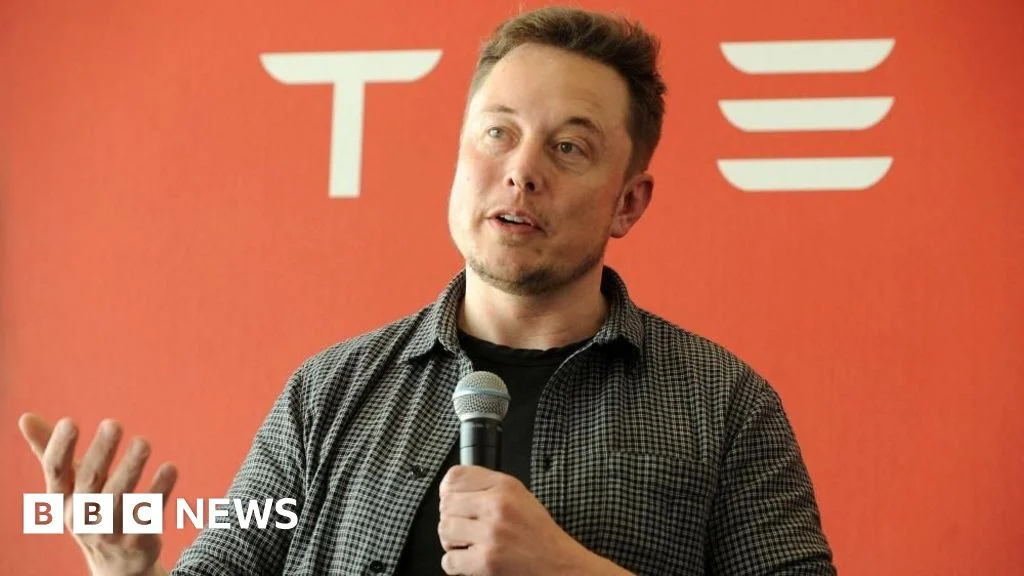
 Ridwan Kamil
 Ayu Aulia