
 Lisa Mariana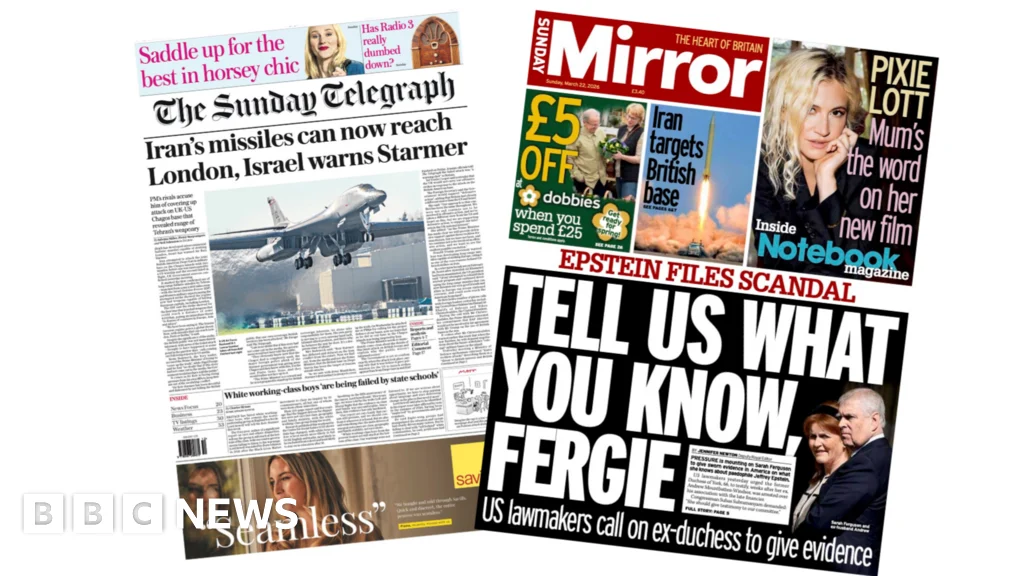
Contemporary global affairs are punctuated by escalating geopolitical tensions, particularly regarding long-range ballistic missile capabilities, alongside persistent domestic policy challenges concerning defence readiness, royal family conduct, and surprising demographic trends in social engagement. Recent intelligence assessments have ignited urgent discussions about the expanding reach of certain state actors’ military assets, coinciding with critical examinations of national defence procurement strategies and ongoing public scrutiny of prominent figures.
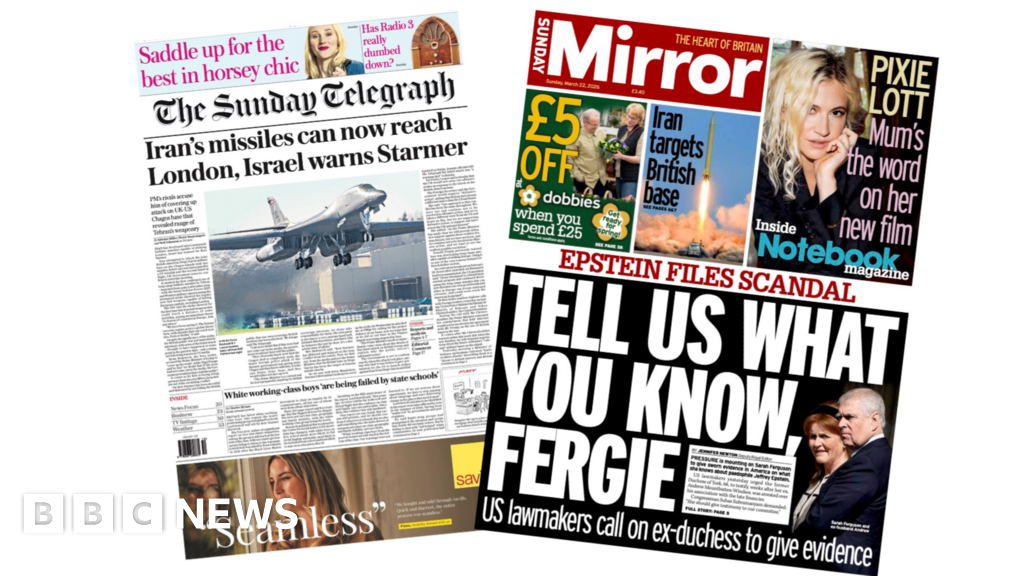
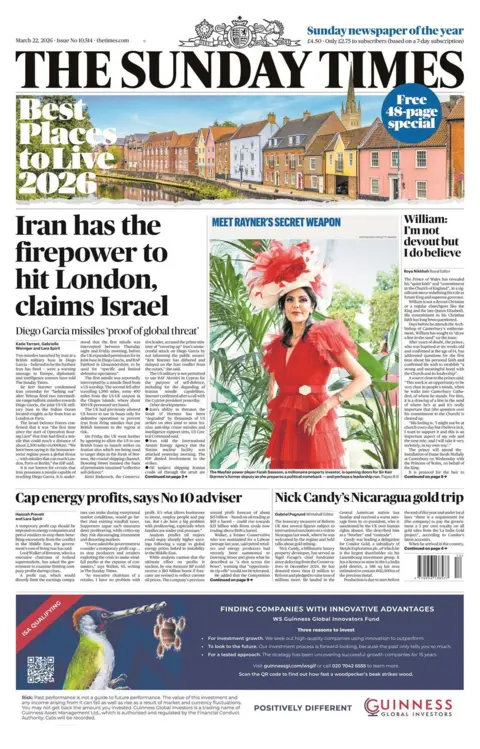
The international community has been compelled to reassess the ballistic missile capabilities of certain Middle Eastern powers following stark warnings from Israeli defence intelligence. These warnings, prominently featured in leading European newspapers, contend that advancements in missile technology now position major European capitals, including London, Paris, and Berlin, within theoretical striking distance. This assertion stems from an incident earlier in the week involving an attempted missile strike on a strategically vital US-UK military installation located in Diego Garcia. The Israeli Defence Forces (IDF) characterized this development as indicative of a "global threat" posed by the "Iranian terrorist regime," emphasizing the far-reaching implications of its burgeoning military arsenal.
The attempted engagement on Diego Garcia, an isolated atoll in the Indian Ocean serving as a crucial Anglo-American staging post, has drawn significant attention not only for its operational implications but also for the delayed public disclosure of the event. Military and intelligence sources have interpreted this long-range missile launch, originating approximately 4,000 kilometers away, as a deliberate "warning message to Europe." The inherent ambiguity regarding the precise capability of the launched missiles to traverse the entire distance to Diego Garcia raises critical questions about the current state of advanced missile propulsion and guidance systems. Analysts are actively evaluating whether this represents a demonstrated full-range capability or an ambitious test, with significant implications for threat assessment and defensive planning. The lack of immediate transparency surrounding such a substantial incident has prompted considerable debate within British political circles, with figures like Conservative leader Kemi Badenoch alleging a "cover up" and questioning the government’s commitment to public safety and information dissemination. Such incidents underscore the increasing complexity of modern warfare, where technological advances shrink geographical barriers and demand heightened vigilance and robust defensive countermeasures.
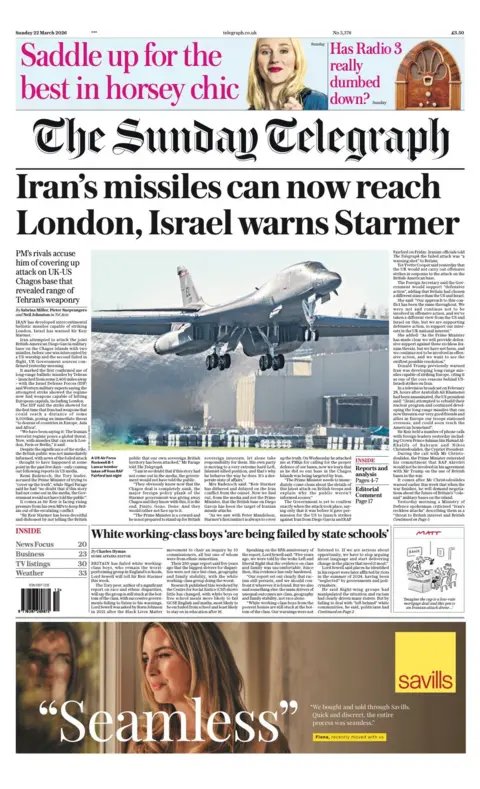
Beyond the immediate threat assessment, the broader implications of these developments for international security are profound. The potential for state actors to project military power across continents fundamentally alters strategic calculations, particularly for nations previously considered beyond the reach of conventional ballistic threats. This necessitates a comprehensive re-evaluation of integrated air and missile defence systems, early warning protocols, and deterrence strategies. The incident also serves as a stark reminder of the interconnectedness of global security, where regional conflicts and technological proliferation can rapidly generate far-reaching international ramifications. For the United Kingdom, a key ally and recipient of the warning, this intelligence highlights the imperative for a responsive and agile defence posture capable of addressing emergent, long-range threats.
This burgeoning external threat environment converges with pressing concerns regarding the efficacy and agility of the United Kingdom’s own defence procurement processes. Reports indicate a growing sentiment among British and European drone manufacturers that the UK’s Ministry of Defence (MoD) is exhibiting a "lack of demand and urgency" in its defence acquisition, leading these firms to reallocate their resources to more responsive international markets. This "dithering" in defence deals is not merely an economic inconvenience but a strategic vulnerability, potentially undermining the nation’s capacity to innovate, modernize its armed forces, and maintain a competitive edge in advanced military technologies. The diversion of resources and expertise away from the UK market risks creating a dependency on foreign suppliers for critical defence capabilities, thereby eroding national security and industrial sovereignty.
Expert analysis suggests that this perceived inertia within the MoD could stem from a confluence of factors, including persistent budgetary constraints, bureaucratic complexities, and an evolving, sometimes ambiguous, strategic vision. Post-Brexit, the UK’s defence industry faces both opportunities for independent innovation and challenges in securing sufficient domestic investment to remain globally competitive. The slow pace of procurement risks leaving the armed forces equipped with outdated systems while adversaries and allies alike rapidly advance their capabilities. This situation contrasts sharply with the broader geopolitical imperative for robust defence, as articulated by figures like Attorney General Lord Hermer, who is expected to reiterate the UK’s unwavering commitment to the "rules-based world order" and the NATO alliance. This commitment, particularly in the face of criticisms from international figures regarding collective defence responsibilities, underscores the vital importance of a well-equipped and technologically advanced military. The long-term implications of these procurement challenges are substantial, potentially affecting the UK’s operational readiness, its influence on the global stage, and its capacity to respond effectively to both conventional and unconventional threats. Addressing these systemic issues requires a strategic overhaul of defence planning, a more streamlined acquisition process, and sustained investment to foster a resilient domestic defence industrial base.
Amidst these high-stakes geopolitical and defence discussions, public attention has also been captivated by ongoing scrutiny surrounding prominent figures, notably Sarah Ferguson, the Duchess of York. Pressure is intensifying from US lawmakers for Ferguson to provide sworn testimony regarding her knowledge of Jeffrey Epstein’s activities, particularly in the wake of the February arrest of her former husband, Andrew Mountbatten-Windsor, due to his association with the disgraced financier. While there currently exists no legal mechanism to compel her testimony in the United States, the moral and ethical imperative for transparency from individuals connected to such a high-profile and deeply troubling case remains significant. The public expectation for full disclosure from figures historically associated with the Royal Family underscores the unique position they hold and the corresponding responsibilities regarding accountability and public trust.

Further compounding the Duchess of York’s public image challenges are reports alleging her involvement in discussions during 2023 to clone Queen Elizabeth II’s beloved corgis for a reality television programme. This extraordinary proposal, which reportedly included plans to sell genetic replicas of the late monarch’s pets, has been widely characterized as a "tasteless" attempt to monetize her royal connections. While a spokesperson for Ferguson has vehemently denied any intention of commercializing the corgis, the mere contemplation of such a venture highlights the persistent tension between the public’s perception of royal dignity and the commercial activities of individuals formerly or currently associated with the monarchy. Such incidents contribute to broader debates about the appropriate boundaries for commercial endeavors by members of or those closely linked to the Royal Family, and the potential for these activities to impact the institution’s revered status. The cumulative effect of these controversies underscores the persistent and often unforgiving public and media scrutiny faced by those in the royal orbit, requiring careful navigation of personal conduct, financial dealings, and public perception.
Shifting to a vastly different societal trend, recent demographic research has unveiled a surprising reversal in nightlife participation, with individuals over the age of 65 now reportedly more inclined to frequent pubs and entertainment venues than their younger counterparts in Generation Z. This intriguing finding, highlighted in recent surveys, challenges conventional notions of social engagement and leisure activities across different age cohorts. The study suggests that older adults are increasingly embracing vibrant social lives, indicating a significant cultural shift.

Several factors could contribute to this phenomenon. Older generations may possess greater disposable income and more leisure time post-retirement, allowing for increased participation in social outings. Furthermore, changing attitudes towards aging, coupled with a desire for community and entertainment, may be driving this demographic towards public venues. In contrast, younger generations, often burdened by student debt, housing costs, and the pervasive influence of digital entertainment, may face different financial and social priorities that limit their engagement with traditional nightlife. The economic implications of this trend are noteworthy for the hospitality sector, which traditionally targets younger demographics. Businesses may need to adapt their offerings, marketing strategies, and venue accessibility to cater to this increasingly active and economically powerful segment of the population. This shift provides a fascinating insight into evolving social dynamics, generational preferences, and the ever-changing landscape of leisure and entertainment in contemporary society, suggesting that the "rave" may indeed have "one foot" firmly planted in the experiences of older generations.
In conclusion, the current global and domestic landscape is characterized by a complex interplay of burgeoning security threats, critical national policy decisions, enduring public scrutiny of prominent figures, and dynamic societal shifts. The imperative to address the expanding reach of global missile capabilities, the urgent need to fortify domestic defence procurement, the ongoing demand for accountability and transparency from public personalities, and the evolving patterns of social engagement all underscore a period of significant transition and challenge. Navigating these multifaceted dynamics effectively will require strategic foresight, robust policy frameworks, and a continuous reassessment of national priorities in a rapidly changing world.



 Aura Kasih
 Ridwan Kamil