Lisa Mariana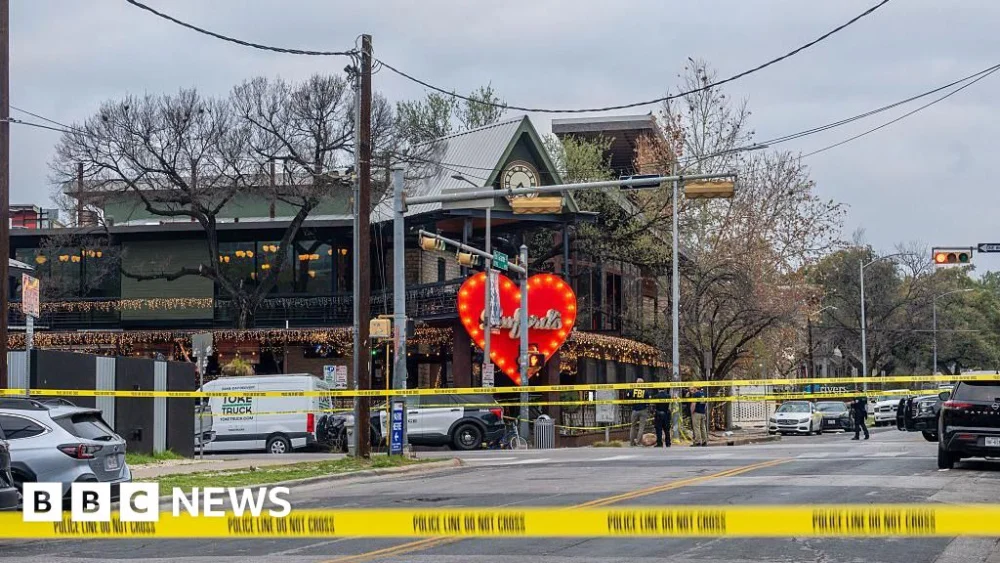
A night of revelry in Austin, Texas, was shattered by a violent assault outside a popular entertainment venue, leaving two individuals deceased and over a dozen wounded. Federal Bureau of Investigation (FBI) officials have initiated a probe into the incident, citing preliminary indicators that suggest a potential nexus to terrorism, marking a grave escalation in the nature of the attack on the vibrant state capital.
The tragic events unfolded in the early hours of Sunday morning, around 2:00 AM Central Daylight Time, transforming a bustling nightlife district into a scene of chaos and emergency response. Authorities confirmed that in addition to the two fatalities among the public, the suspected assailant was also found dead at the location. Emergency services transported fourteen injured individuals to various medical facilities, with three reportedly in critical condition, underscoring the severity of the violence inflicted upon the community.
While specific details regarding the identities of the victims, the deceased suspect, or a definitive motive remain under wraps, the FBI’s early assessment points towards a deliberate and potentially ideologically driven act. This pronouncement introduces a significantly more complex dimension to the investigation, moving beyond a typical criminal inquiry into the realm of national security concerns. The cautious but firm statement from federal agents indicates that a thorough examination of all evidence, including forensic findings from the scene and personal effects of the perpetrator, is underway to ascertain the full scope and intent behind the attack.
The Unfolding Horror: A Detailed Account of the Attack
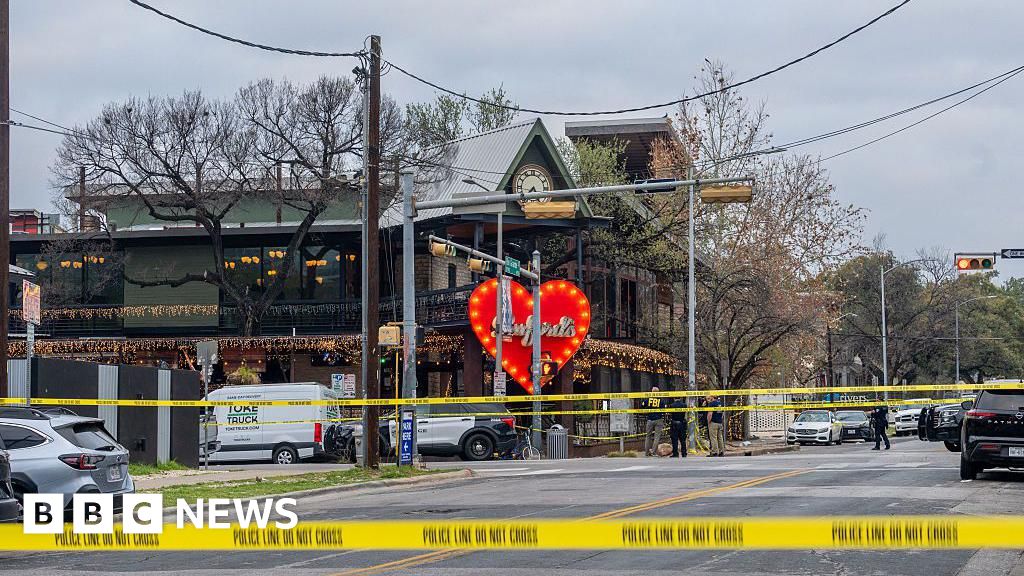
The sequence of events, as pieced together by law enforcement, paints a chilling picture of calculated aggression. Austin Police Chief Lisa Davis provided an initial reconstruction, explaining that the incident commenced when an individual operating a large sport utility vehicle (SUV) activated its hazard lights. The driver then reportedly lowered a window and discharged a pistol into the crowd gathered on the patio and sidewalk outside Buford’s bar, a well-known establishment on West Sixth Street.
Following this initial volley of gunfire, the assailant allegedly parked the vehicle nearby, exited, and re-approached the bar on foot, now armed with a rifle. This tactical shift, from a drive-by shooting to a more direct engagement, suggests a sustained intent to cause maximum casualties. The rapid escalation of the threat was met by an equally swift response from law enforcement. Three patrol officers, already present in the vicinity as part of increased weekend deployments in the popular entertainment district, converged on the scene. Their decisive action at an intersection resulted in a confrontation where they shot and killed the suspect, effectively neutralizing the immediate threat.
The subsequent search of the assailant’s SUV, a critical step in any such investigation, confirmed the absence of explosives, alleviating immediate fears of further destructive devices. However, it was during this preliminary forensic examination that Acting Special Agent in Charge Alex Doran, from the FBI’s San Antonio field office, revealed the presence of "indications in the SUV and on the suspect that suggested a ‘nexus to terrorism’." Doran, while emphasizing the nascent stage of the investigation, refrained from disclosing specific details, citing the need to protect the integrity of the ongoing inquiry. This careful disclosure highlights the gravity of the potential connection and the methodical approach federal agencies must take in such sensitive cases.
Defining the "Terrorism Nexus" and Investigative Complexities
The term "nexus to terrorism" carries significant implications, suggesting that the perpetrator’s actions may have been driven by extremist ideologies, affiliations with a terrorist organization, or a desire to intimidate or coerce a government or civilian population for political or social objectives. It differentiates the incident from acts of random violence, gang-related crime, or personal disputes. For the FBI, identifying such a nexus immediately elevates the investigation to a top priority, mobilizing specialized counterterrorism units, intelligence analysts, and forensic experts.
Investigating potential acts of terrorism is inherently complex. It requires not only meticulous crime scene analysis but also extensive digital forensics, intelligence gathering, and a deep understanding of extremist narratives. Agents will be scrutinizing the suspect’s digital footprint – including social media activity, communications, and internet searches – to uncover any links to extremist groups, manifestos, or radicalizing content. They will also explore the individual’s personal history, psychological profile, and any potential grievances that might have been weaponized by extremist ideologies. The reluctance of officials to release details at this early stage is standard procedure, designed to prevent compromising the investigation, alerting potential accomplices, or creating undue public panic based on unverified information. The commitment to "seeing this process through to the very end," as stated by Doran, underscores the rigorous and exhaustive nature of such federal probes.
Community Impact and Heroic Response
The attack sent shockwaves through Austin, a city renowned for its vibrant culture, live music scene, and as a hub for both state government and higher education. Kelson Lee, a 25-year-old witness who was within earshot of the gunfire, described a harrowing scene inside Buford’s, recalling seeing "about seven to eight bodies on the floor" and feeling "helpless" amidst the chaos. Such eyewitness accounts underscore the profound psychological trauma inflicted upon those who experienced the event firsthand.
Despite the horror, the response from local law enforcement and emergency medical services was lauded as exemplary. Austin Police Chief Lisa Davis credited the increased deployment of officers and emergency resources in the entertainment district for enabling a "rapid" response. Austin Mayor Kirk Watson highlighted the extraordinary speed of the intervention, noting that police and rescuers were on scene and engaging the threat within a mere 57 seconds. This swift action, he emphasized, "definitely saved lives," preventing further casualties in a densely populated area. This coordination between various agencies, including Austin-Travis County Emergency Management Services, played a critical role in mitigating the tragedy’s extent. Rob Luckritz, head of Austin-Travis County EMS, confirmed the coordinated medical response to the numerous injured.
Political leaders across Texas and the nation expressed their condolences and condemned the violence. White House Press Secretary Karoline Leavitt confirmed that President Donald Trump had been notified of the shooting, indicating the national significance of the incident. Senator Ted Cruz, representing Texas, issued a statement on social media, denouncing the "senseless act of violence" and commending the "heroic and quick response from law enforcement." Texas Governor Greg Abbott echoed sentiments of defiance, vowing that "this act of violence will not define us, nor will it shake the resolve of Texans."
Austin’s Fabric and the Broader Context of Urban Violence
Austin’s Sixth Street, both East and West, is a pulsating artery of the city’s social life, a magnet for students from the nearby University of Texas and tourists alike. The university, one of the largest public institutions in the state with approximately 55,000 students, is located less than two miles from the site of the shooting. University of Texas President Jim Davis conveyed the institution’s profound sympathy, stating, "Our prayers are with the victims and all those impacted, including members of our Longhorn family, and my heart goes out to their families, friends, classmates, professors, and loved ones." The proximity of such an event to a major university campus adds another layer of concern for the safety and well-being of a large student population.
This incident, occurring in a public gathering space, resonates within the broader national discourse on gun violence and public safety. While the potential terrorism link distinguishes it from many other mass shootings, it nevertheless highlights the vulnerability of open, accessible urban environments to determined attackers. The use of both a pistol and a rifle in the attack underscores the lethality and rapid casualty generation capability of modern firearms, which often feature prominently in such tragic events. The ongoing investigation will not only seek to identify the specific motivations of the assailant but also to assess any potential security gaps or vulnerabilities that could be addressed in the future.
The Austin shooting serves as a stark reminder of the persistent and evolving threats faced by communities. The swift and decisive actions of law enforcement undoubtedly averted a greater catastrophe, but the lingering question of a potential terrorism motive casts a long shadow. As federal and local authorities continue their meticulous work, the city of Austin, known for its resilience and vibrant spirit, grapples with the aftermath of an attack that has fundamentally challenged its sense of security. The outcomes of the FBI’s investigation will be critical in understanding the full scope of this tragedy and informing future strategies for safeguarding public spaces from both criminal violence and ideologically driven extremism.


 Aura Kasih