
 Lisa Mariana
Dubai’s strategic transformation from a regional trading post to a world-renowned metropolis has been predicated on its ability to project an image of absolute security and boundless opportunity. Decades of ambitious development, fuelled by visionary leadership and vast investments in infrastructure, luxury amenities, and a business-friendly environment, positioned the city as an unparalleled destination for those seeking to escape political instability or economic stagnation elsewhere. This carefully curated brand identity, emphasizing safety, luxury, and a cosmopolitan lifestyle, attracted millions of expatriates, high-net-worth individuals, and multinational corporations, all drawn by the promise of a predictable and secure future. The emirate’s economic model, increasingly diversified beyond hydrocarbons, relies heavily on this perception of stability to sustain its robust tourism, real estate, and financial sectors.
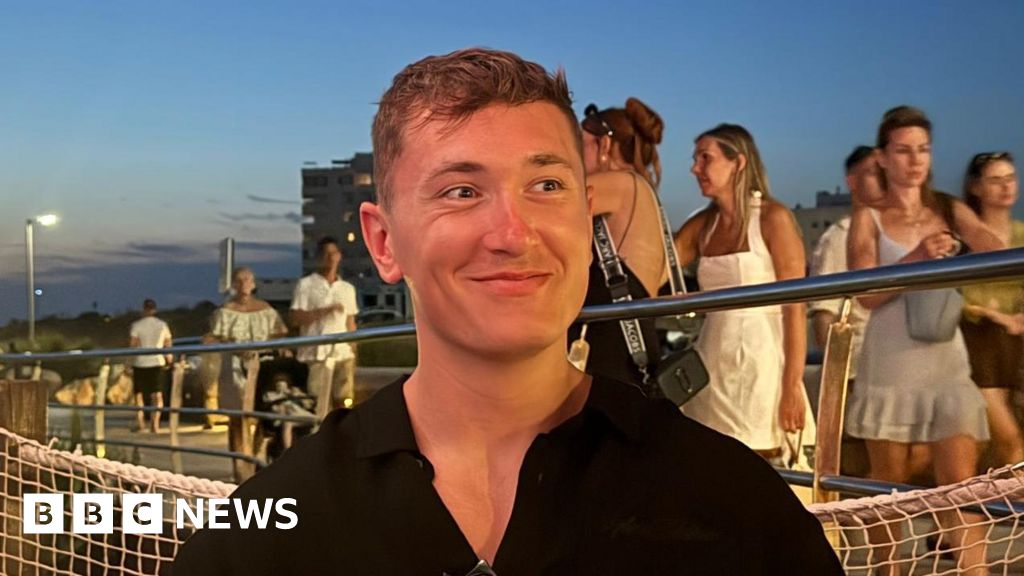
The recent escalation of regional tensions, however, has brought this delicate balance into sharp relief. In the early hours of a recent Saturday, the arrival of UK fitness entrepreneur Will Bailey in Dubai was intended to inaugurate a new chapter in his professional and personal life, involving the relocation of his coaching business and securing residency. Yet, within a mere twenty-four hours, his aspirations were overshadowed by the jarring reality of Iranian missile attacks impacting some of the UAE’s most iconic districts. Bailey documented thick plumes of dark smoke emanating from an area he identified as being in close proximity to the prestigious Fairmont The Palm hotel on the luxurious Palm Jumeirah. This incident, which authorities confirmed led to a fire and injuries to four individuals, profoundly shook his initial optimism. "Since this happened, everything changed," Bailey conveyed, expressing deep uncertainty regarding his plans to establish residency, now confronted with the escalating regional chaos.
These missile launches, initiated by Iran in retaliation for reported US and Israeli actions on its own territory, represent a significant and worrying escalation in regional dynamics. The strikes, which continued into the subsequent days and resulted in at least one confirmed fatality in the UAE, directly targeted civilian infrastructure in a manner previously considered unthinkable. The targeting of high-profile tourist and residential areas in Dubai, a city emblematic of globalized luxury and stability, sends a potent message that no location within the Gulf region is entirely beyond the reach of escalating hostilities. This shift from proxy conflicts to direct engagement against the sovereign territory of a major Gulf state marks a perilous new phase, shattering long-held assumptions about regional conflict containment.
The psychological impact on the expatriate community has been immediate and profound. For many, Dubai represented an escape – a sanctuary from political unrest, economic uncertainty, or even direct conflict in their home countries or other parts of the Middle East. The sight of smoke rising over familiar luxury landmarks, broadcast across social media platforms, has forced many to confront a new and unsettling reality. British model and influencer Petra Ecclestone articulated this sentiment, remarking, "We came to Dubai to feel safe, and we finally felt like we were settling in, and now this has happened." Similarly, former Love Island contestant Arabella Chi, a Dubai resident, described the period as "a very scary time." These personal accounts underscore a broader anxiety among a demographic that had previously viewed Dubai as an almost extraterritorial zone, insulated from the geopolitical turbulence of its surroundings. The "Dubai dream," built on promises of uninterrupted peace and prosperity, is now being subjected to a rigorous and unsettling re-evaluation by those who had invested their lives and livelihoods in it.
In response to the palpable anxiety, a counter-narrative has emerged, seeking to reassure residents and maintain confidence in the emirate’s security apparatus. Influencers such as Hofit Golan, a Canadian-Israeli TV personality and entrepreneur, downplayed the severity of the situation, asserting that while "the first day of the war was a shock," the rapid influx of capital and the demonstrated strength of Dubai’s air defenses provided reassurance. Golan noted a "subdued" atmosphere but observed that "life goes on," citing busy malls. Similarly, Afsha Farooqui, an Indian food blogger residing in Dubai, maintained a sense of security despite the events, emphasizing that daily life, including school operations and family outings, continued unimpeded. These perspectives, while perhaps genuine, also operate within a context where public criticism of the government is prohibited in the UAE, potentially influencing the outward expression of sentiment and contributing to a carefully managed public discourse. The effectiveness of the missile defense systems, which have reportedly intercepted most incoming projectiles, is frequently highlighted in these narratives as evidence of the city’s resilience. However, the psychological impact of even intercepted threats, coupled with visible damage, remains a significant challenge to the city’s image.

Academic and geopolitical experts offer a more critical assessment of the long-term implications. Yasser Elsheshtawy, a professor of architecture at Columbia University with two decades of experience living in Dubai, posits that the city’s contemporary and prosperous image "is now being punctured." He argues that the visual evidence of destruction and the audible sounds of explosions in exclusive areas fundamentally "shatters that image of Dubai as this haven of security and safety." Elsheshtawy forecasts that the emirate’s brand and appeal "will suffer for years to come," underscoring the fragility of a reputation so heavily reliant on perception.
Karen Young, a senior research scholar at Columbia University’s Center on Global Energy Policy and a former Dubai resident, further elaborates on the unprecedented nature of these attacks. She highlights Iran’s calculated decision to target civilian and, notably, tourist infrastructure, describing it as a significant departure from previous patterns of engagement. "I think for many people it just seemed impossible that the tourist infrastructure would ever be targeted in such a way, so it’s kind of pierced the facade of safety," Young observes. This strategic choice by Iran appears designed to inflict maximum psychological and economic damage, directly challenging the core tenets of Dubai’s global brand. Young also draws attention to the diverse demographic of Dubai, noting that beyond the glamorous expatriate scene, many residents from other parts of the region have sought refuge in the city precisely "because they’ve escaped war somewhere else." For these individuals, the recent attacks represent a terrifying reminder that even their chosen sanctuary is not entirely immune to the region’s endemic conflicts.
The economic ramifications of this shift in perception could be substantial. Foreign direct investment, a crucial pillar of Dubai’s growth, may become more cautious as investors weigh increased geopolitical risk. The tourism sector, a cornerstone of the emirate’s economy, could experience a downturn as international visitors reconsider the safety of a destination now visibly impacted by conflict. The luxury real estate market, often seen as a safe investment for global wealth, may also face headwinds, potentially leading to price corrections or reduced demand. Beyond these immediate concerns, the long-term flow of talent, particularly highly skilled professionals and entrepreneurs, who are critical to Dubai’s innovation and service economy, could be disrupted if the perception of security erodes further. The city’s carefully constructed economic ecosystem is intimately tied to its perceived stability, and any sustained challenge to this perception could ripple through multiple sectors.

Geopolitically, the targeting of the UAE represents a significant escalation that could reshape regional alliances and security architectures. It forces the UAE and its Gulf Cooperation Council partners to re-evaluate their defense strategies and diplomatic engagements. The attacks may strengthen calls for enhanced missile defense capabilities and deeper security cooperation with international allies, particularly the United States. Simultaneously, it compels a critical assessment of regional de-escalation efforts and the efficacy of current diplomatic channels with Iran. The incident also highlights the growing sophistication and reach of non-state actors and the increasing proliferation of advanced weaponry in the region, posing a complex challenge to traditional notions of deterrence and defense.
Looking ahead, Dubai faces the formidable task of restoring confidence and reaffirming its position as a secure global hub. This will likely necessitate a multi-pronged approach, combining visible enhancements to security infrastructure, intensified diplomatic efforts to de-escalate regional tensions, and a sophisticated public relations campaign to counter the negative perceptions. However, the inherent challenge lies in maintaining an image of impenetrable security in a region characterized by deep-seated geopolitical rivalries and unpredictable flashpoints. The recent missile attacks serve as a stark reminder that even the most meticulously constructed urban sanctuaries remain susceptible to the broader currents of international conflict. The resilience of Dubai’s economic model and its ability to continue attracting global talent and capital will hinge on its capacity to adapt to this new, more precarious reality, and to convince a discerning international audience that its promise of stability, though tested, remains intact. The path forward will undoubtedly be complex, requiring sustained strategic foresight and an acute understanding of the evolving geopolitical landscape.



 Aura Kasih

 Ridwan Kamil