Lisa Mariana
Global energy markets are experiencing significant upward pressure on crude oil benchmarks following a stark warning from Iran regarding maritime traffic through the Strait of Hormuz, a critical international shipping lane. This latest development exacerbates existing geopolitical anxieties in the Middle East, triggering substantial increases in oil futures, a sharp rise in tanker insurance and freight costs, and a broad downturn across Asian equity markets as investors recalibrate risk assessments and anticipate wider economic ramifications.
The immediate market reaction to the Iranian pronouncement was palpable. Brent crude, the international benchmark, surged by an notable 3.2%, reaching a trading price of $80 per barrel in afternoon Asian trade. Concurrently, West Texas Intermediate (WTI), the primary US oil benchmark, registered a robust 2.6% increase. This synchronous climb in both major crude contracts underscores the market’s collective apprehension regarding potential disruptions to global energy supplies. Beyond the direct commodity markets, the broader financial landscape also registered considerable stress, with Asian stock indices experiencing significant declines as investors sought to divest from riskier assets in the face of escalating regional instability.
The catalyst for this market volatility was a direct and unequivocal statement from a senior advisor to the commander-in-chief of Iran’s Islamic Revolutionary Guard Corps (IRGC), Ebrahim Jabbari. Speaking on state television, Jabbari issued a severe caution to international shipping, asserting that vessels "should not come to this region. They will certainly face a serious response from us." This declaration, emanating from an entity widely regarded as a primary instrument of Iranian geopolitical projection, instantly amplified concerns over the safety of commercial navigation in the Persian Gulf and its critical arteries. The IRGC has a historical precedent for assertive actions and rhetoric in the Strait, often operating at the forefront of Iran’s confrontational foreign policy stances.
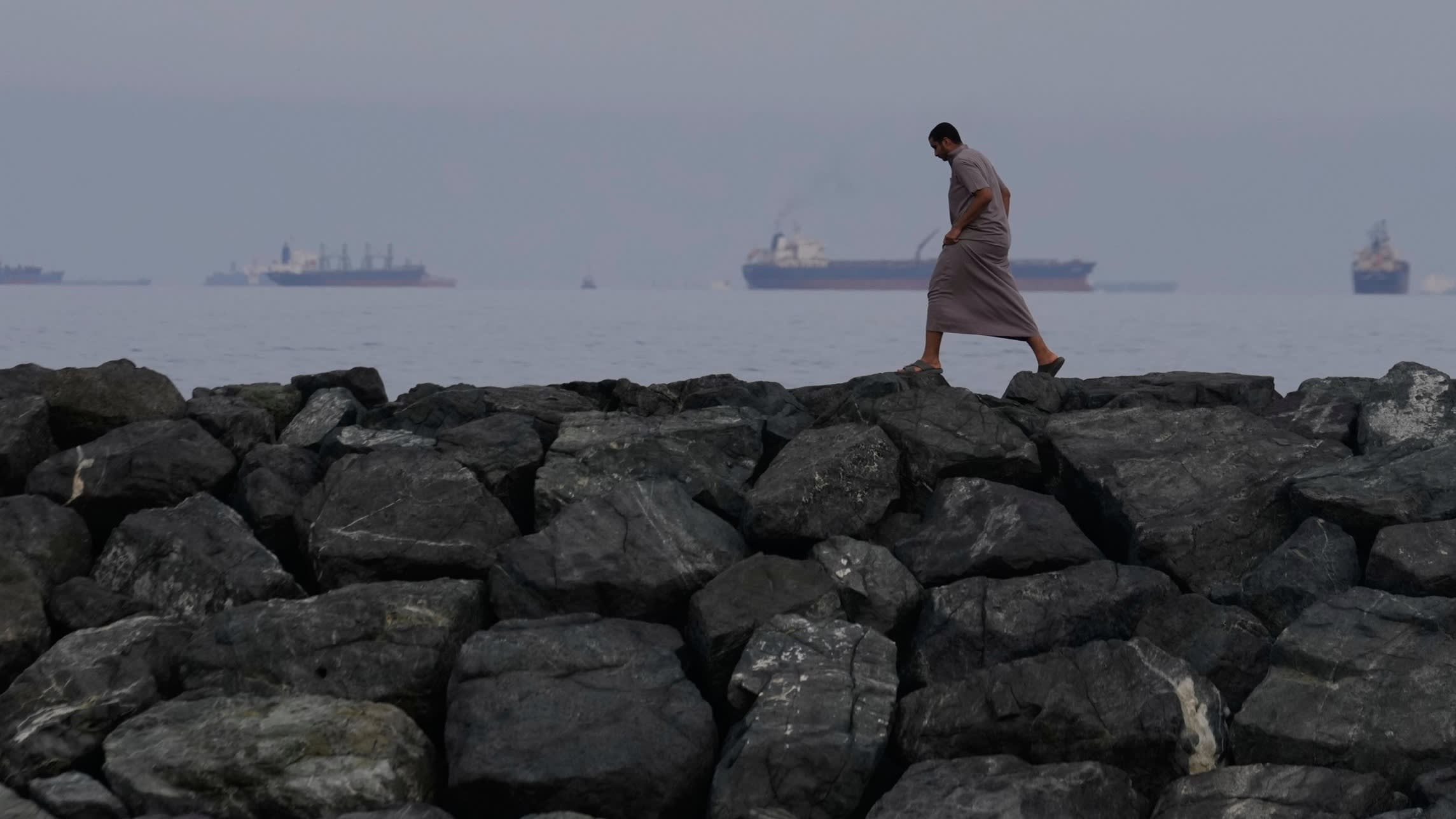
The Strait of Hormuz holds an unparalleled strategic position in the global energy infrastructure. Serving as the sole maritime passage from the Persian Gulf to the open ocean, it funnels approximately 20% of the world’s total petroleum liquids consumption, alongside a substantial volume of liquefied natural gas (LNG). Its immense importance means any threat to its navigability sends immediate shockwaves through international markets. The recent Iranian warning follows a series of unspecified maritime incidents in the region, which had already cast a shadow of uncertainty over shipping operations, prompting some vessels to halt movements and others to reassess their transit plans, effectively creating a de facto slowdown in traffic.
Beyond the raw price of crude oil, the cost of transporting these vital commodities has soared to unprecedented levels. Data compiled by the London Stock Exchange Group revealed that the chartering cost for a supertanker to convey oil from the Middle East to East Asian destinations, specifically China, eclipsed $400,000 on Monday alone. This figure represents an astonishing near-doubling of rates compared to the previous week, illustrating the acute risk premium being applied to maritime logistics in the region. The dramatic escalation in freight charges directly reflects the heightened perceived dangers of navigating the Strait of Hormuz.
Sanne Manders, President of the logistics technology platform Flexport, underscored the gravity of the situation in an interview with the BBC, stating unequivocally that the Strait of Hormuz is "effectively closed" for many commercial carriers. This cessation is not merely due to an unwillingness on the part of shipping companies to undertake the perceived risks, but critically, also stems from the reluctance of marine insurance providers to underwrite such voyages. Insurers are either refusing coverage altogether or imposing prohibitive war risk premiums, making transit economically unviable or excessively perilous. Manders further predicted that this surge in regional shipping costs, compounded by the anticipated rise in fuel prices, would inevitably lead to a global upward recalibration of shipping rates across all sectors, impacting the broader supply chain.
The implications for global energy prices are significant and potentially enduring. Srinivaasan Balakrishnan, a seasoned analyst from the risk research firm Avellon Intelligence, projected that crude oil prices could conceivably breach the $100 per barrel threshold if the current disruption to Middle Eastern oil shipments proves to be prolonged. Such a sustained increase would translate directly into higher costs for consumers worldwide. In the United States, for instance, Balakrishnan estimated that petrol prices could climb by as much as 25 cents per gallon, placing additional strain on household budgets and potentially dampening economic activity.
Recognizing the severe economic implications, policymakers in the United States are actively engaged in strategizing a response. High-level discussions are underway, with the Treasury Secretary Scott Bessent and Energy Secretary Chris Wright scheduled to convene on Tuesday to deliberate on measures to mitigate the impact of rising energy costs. Secretary of State Marco Rubio affirmed Washington’s commitment to addressing the issue, indicating that the administration would unveil a phased plan to tackle the escalating prices. "We knew that going in would be a factor," Rubio stated, suggesting a degree of pre-emption in their planning, adding, "Starting tomorrow you will see us rolling out those phases to try to mitigate against that." These statements signal a coordinated governmental effort to buffer the domestic economy from the immediate shockwaves of the geopolitical situation.
Across the Atlantic, the United Kingdom is also bracing for similar economic repercussions. Alasdair Locke, chairman of Motor Fuel Group, the largest independent forecourt operator in the UK, warned of an inevitable pass-through of higher oil prices to consumers at the pump. "With the price of oil going up, that is inevitably going to feed through in due course to higher prices at the pump," he explained. The ultimate extent of this impact, he noted, would be contingent on the duration and magnitude of the sustained increase in crude oil prices. This scenario highlights the global interconnectedness of energy markets and the rapid transmission of geopolitical risk to consumer costs.
The reverberations of the Gulf tensions extended far beyond energy and shipping, severely impacting Asian financial markets. Japan’s Nikkei 225 index closed 3.3% lower, with export-dependent manufacturing giants such as Toyota, Panasonic, and Sony experiencing some of the steepest declines. Their vulnerability stems from reliance on stable global trade routes, predictable energy costs, and robust consumer demand, all of which are threatened by the current instability. Similarly, Hong Kong’s Hang Seng index and mainland China’s Shanghai Composite also registered significant losses, reflecting broader investor anxieties across the region.
South Korea’s Kospi index, which had been closed for a public holiday on Monday, bore the brunt of cumulative market fears upon reopening, plummeting by more than 7%. South Korea’s economy, heavily geared towards exports and manufacturing, is acutely susceptible to geopolitical shocks and disruptions in global trade. Shares of its leading industrial conglomerates, including automotive giant Hyundai, electronics behemoth Samsung, and semiconductor producer SK Hynix, each fell by approximately 10%. The magnitude of these declines underscores the particular vulnerability of East Asian economies to disruptions originating in the Middle East, given their profound dependence on imported energy and seamless global supply chains for their export-driven growth models.
The current situation in the Strait of Hormuz is not an isolated incident but rather a manifestation of a long-standing geopolitical rivalry between Iran and Western powers, particularly the United States, alongside regional adversaries. Tensions have simmered for years, often escalating around issues such as Iran’s nuclear program, regional proxy conflicts, and economic sanctions. The IRGC’s latest threat must be viewed within this broader context of strategic posturing, where control over critical maritime choke points serves as a powerful lever in international relations. Any perceived infringement on its sovereign interests or pressure from external forces frequently elicits a robust, often escalatory, response from Tehran, particularly concerning its strategic assets and regional influence.
The operational challenges faced by the maritime industry extend beyond direct threats. The intricate web of international maritime law, insurance frameworks, and security protocols becomes immensely complicated in such volatile environments. War risk premiums, typically calculated as a percentage of a ship’s hull value and cargo, can surge exponentially, making voyages prohibitively expensive or even leading to outright cancellations. Furthermore, the reputational risk and potential legal liabilities associated with operating in a declared conflict zone can deter even the most adventurous carriers. The "effective closure" described by logistics experts highlights a multifaceted breakdown of normal operating conditions, driven by a confluence of physical threats, economic disincentives, and regulatory hurdles.
Looking ahead, the trajectory of oil prices and global trade will largely depend on the duration and intensity of the current standoff. De-escalation pathways could involve diplomatic overtures, international mediation, or a reassessment of rhetoric by the involved parties. Conversely, any further maritime incidents, or a direct confrontation, could trigger a more severe and prolonged crisis, potentially leading to sustained price increases well beyond the $100 per barrel mark. Such a scenario would not only fuel global inflation but could also compel nations to accelerate efforts towards energy diversification, strategic petroleum reserve utilization, and the exploration of alternative, albeit often longer and more expensive, shipping routes. The episode serves as a stark reminder of the fragile balance underpinning global energy security and the profound economic consequences that can emanate from regional geopolitical instability.




 Aura Kasih
 Ridwan Kamil