Lisa Mariana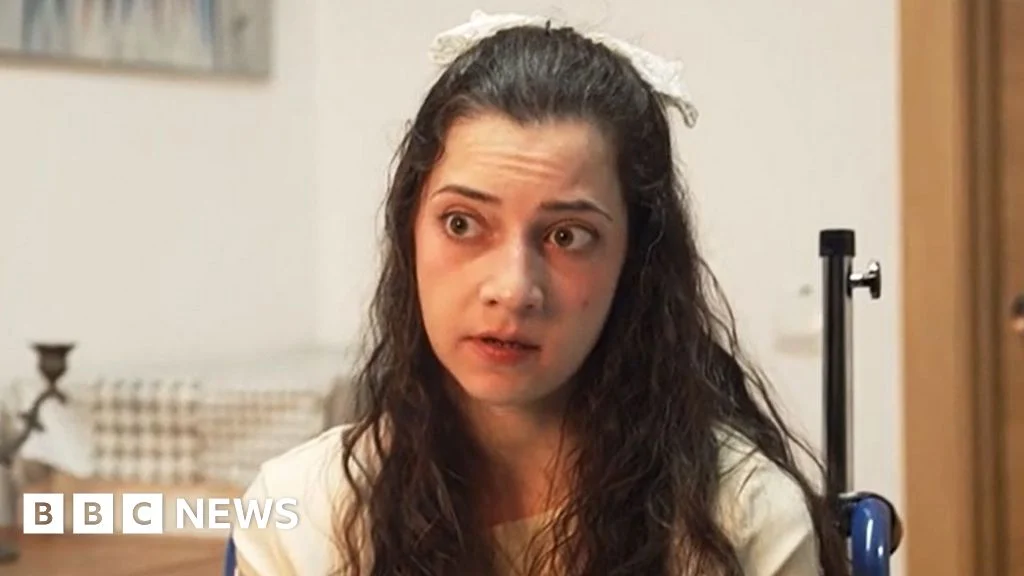
A 25-year-old Spanish woman, Noelia Castillo, has died by euthanasia in Barcelona, marking the conclusion of an arduous, eighteen-month legal contest with her father over her fundamental right to medically assisted dying, a case that has significantly tested and affirmed Spain’s relatively new euthanasia legislation.
The passing of Ms. Castillo on Thursday, following a ruling by the European Court of Human Rights (ECHR) in her favour, brings to a poignant close a deeply personal and publicly scrutinized struggle for bodily autonomy. Her decision to seek euthanasia stemmed from profound and irreversible injuries sustained during a suicide attempt in 2022, which left her paraplegic and enduring what she described as intolerable suffering. This landmark case, the first in Spain to necessitate judicial intervention at multiple levels, underscores the complex interplay between individual liberty, family dissent, and the state’s role in end-of-life decisions.
Noelia Castillo’s journey towards assisted dying began after her life was irrevocably altered. The 2022 incident resulted in a devastating spinal cord injury, rendering her dependent and in constant physical and psychological distress. After careful consideration and adherence to the stringent protocols outlined in Spain’s 2021 euthanasia law, the regional government of Catalonia initially granted her request for assisted dying in the summer of 2024. However, this approval was immediately challenged, setting the stage for an unprecedented legal confrontation.
Her father, backed by the conservative advocacy group Christian Lawyers (Abogados Cristianos), launched a vigorous legal campaign to halt the procedure. His central argument posited that his daughter suffered from a personality disorder, which he claimed impaired her judgment and rendered her incapable of making such a definitive decision. Furthermore, he invoked the state’s inherent obligation to safeguard the lives of its citizens, particularly those deemed most vulnerable, such as a young individual grappling with significant mental health challenges. This intervention led to the eleventh-hour suspension of the approved euthanasia process, thrusting Ms. Castillo and her intensely private ordeal into the national spotlight.
The subsequent legal battle spanned an extensive eighteen-month period, navigating through various judicial instances within Spain before ultimately reaching the European Court of Human Rights. The ECHR’s decision to uphold Noelia Castillo’s right to assisted dying represented a definitive affirmation of individual self-determination and the legal framework established by the Spanish parliament. This ruling not only cleared the path for her desired end but also established a significant precedent concerning the interpretation and application of euthanasia laws in cases involving familial opposition and questions of mental capacity. The ECHR’s intervention underscored the principle that once national legal avenues are exhausted, the court serves as a final arbiter in safeguarding fundamental human rights, including the right to dignity in death, against challenges based on personal or ideological objections.
Following the ECHR’s decision, Abogados Cristianos, a vocal opponent of euthanasia, announced Ms. Castillo’s death on social media platform X. In their statement, the group reiterated its stance, asserting that her case "highlights the serious flaws" in Spain’s euthanasia law. This reaction encapsulates the deep ideological chasm that continues to exist within Spanish society regarding end-of-life choices, pitting individual autonomy against religious and conservative interpretations of life’s sanctity.
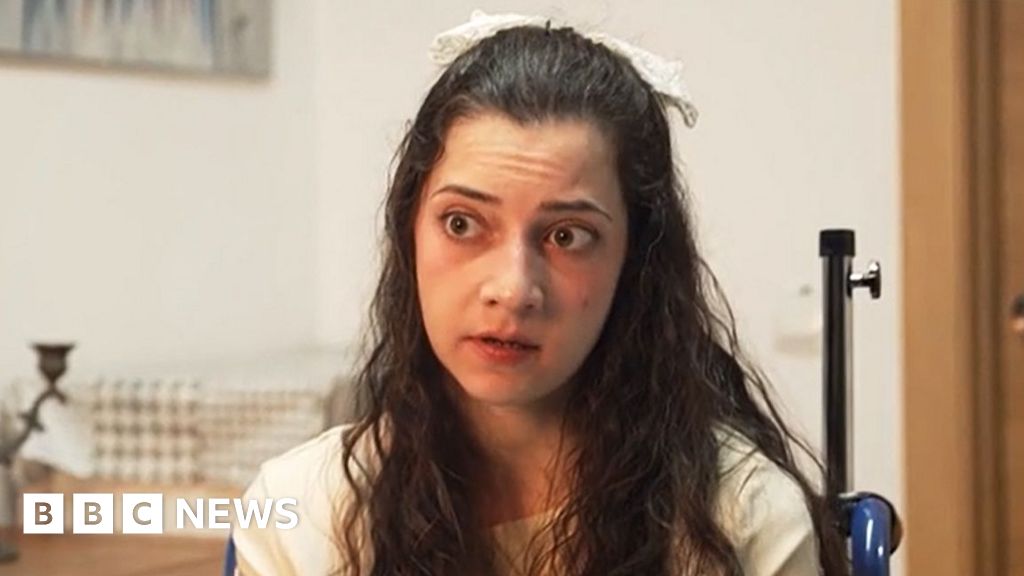
In the days leading up to her death, Noelia Castillo spoke candidly to Spanish television, articulating her perspective and experiences. She recounted the profound pain caused by her father’s legal obstruction. "He hasn’t respected my decision and never will," she stated, conveying a sense of resignation regarding their unresolved conflict. Her interview provided a glimpse into a life marked by significant adversity, including a difficult childhood spent largely in care homes. She disclosed experiences of sexual assault, once by a former boyfriend after consuming sleeping pills, and another incident involving multiple men in a nightclub. These traumatic events, coupled with a pervasive feeling of being "alone" throughout her life, contributed to her unwavering conviction that she wanted to proceed with euthanasia.
Ms. Castillo openly acknowledged the profound sorrow her decision would inflict upon her family. "Nobody in my family is in favour," she admitted, yet she firmly asserted the primacy of her own suffering and desire for peace. "I am leaving and you are staying here with all the pain, but what about all the suffering I have endured over the years? I just want to leave in peace and stop the pain," she explained, drawing a stark contrast between her internal torment and her family’s anticipated grief. She further articulated her belief that "The happiness of a father or a mother or a sister shouldn’t precede the happiness of a daughter," powerfully emphasizing her right to make a choice that would alleviate her suffering, even if it conflicted with her loved ones’ desires. While she expressed willingness for her family to bid her farewell, she ultimately wished to be alone with her attending physician when the lethal injection was administered, desiring a final moment of solitude and control over her departure.
Her mother, Yolanda, while disagreeing with her daughter’s decision, stated that she "respected" it, illustrating a nuanced familial response that recognized Ms. Castillo’s autonomy despite personal anguish. This contrasts sharply with the father’s sustained legal challenge, which sought to override her will entirely.
Spain’s euthanasia law, which came into effect in 2021, legalizes assisted dying under strict conditions for individuals suffering from a serious and incurable disease or a debilitating and chronic condition that causes unbearable suffering, with no prospect of improvement. Government data indicates that 426 requests for assisted dying were granted in 2024, the most recent year for which statistics are available, reflecting a growing acceptance and application of the law. However, Noelia Castillo’s case stands out as the first instance where a euthanasia request was subjected to such an extensive and public judicial review, ultimately requiring a judge to decide amidst conflicting familial claims. This singular aspect elevates her case to a landmark status, establishing vital legal precedents for future applications of the law.
The legal landscape surrounding end-of-life care is complex and continually evolving globally. Spain joined a select group of countries, including the Netherlands, Belgium, Luxembourg, Canada, New Zealand, Australia, and Colombia, that have legalized some form of medically assisted dying. These laws typically require multiple medical and psychological assessments to confirm the patient’s condition, the incurability of their suffering, and their clear, informed, and repeated consent, free from coercion. Ms. Castillo’s case specifically tested the boundaries of these assessments, particularly regarding the father’s claim of a "personality disorder" affecting her judgment. The judicial system, through its various levels and ultimately the ECHR, had to meticulously weigh expert medical opinions on her capacity for informed consent against the father’s objections, thereby refining the interpretation of psychological fitness in euthanasia requests.
The profound ethical considerations inherent in euthanasia — balancing individual autonomy against the sanctity of life, the role of family in such deeply personal decisions, the state’s responsibility to protect vulnerable individuals, and the potential for abuse — were all brought to the fore by Ms. Castillo’s ordeal. Her case illuminated the clash between secular legal frameworks designed to uphold individual rights and deeply held religious or conservative beliefs that oppose the termination of life under any circumstances. It further highlighted the critical importance of robust psychological evaluations in cases where mental health conditions might be invoked to challenge a patient’s capacity to consent.
Noelia Castillo’s death, following an eighteen-month legal battle that traversed national courts and culminated in a European human rights ruling, carries significant implications. It sets a powerful precedent within Spain, reinforcing the legal validity of its euthanasia law and providing clarity on its application when faced with familial opposition or questions of mental capacity. For the wider European context, the ECHR’s decision underscores the growing recognition of individual autonomy in end-of-life choices as a fundamental human right. Her case will undoubtedly fuel ongoing debates within Spain and internationally, prompting further discussions on the scope, safeguards, and societal implications of medically assisted dying. As societies grapple with the evolving understanding of dignity and suffering, Noelia Castillo’s courageous and public fight for self-determination stands as a poignant testament to the deeply personal and profoundly public struggles at life’s end.


 Aura Kasih