Aura Kasih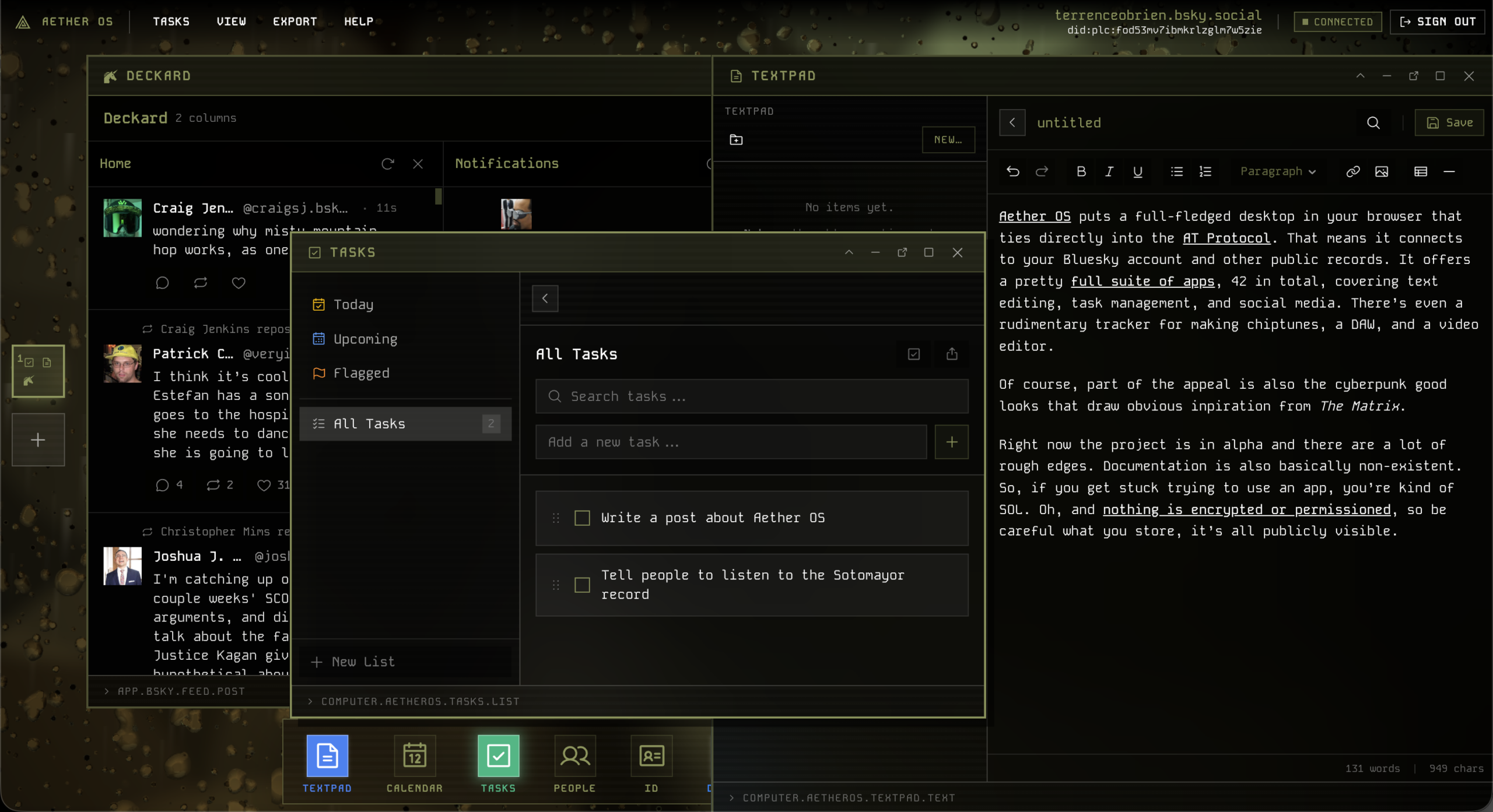
A groundbreaking new digital operating system, Aether OS, is emerging from the nascent stages of development, offering users a comprehensive computing experience directly within their web browsers, intrinsically linked to the AT Protocol’s decentralized identity framework. This innovative platform transcends the limitations of traditional web applications by presenting a cohesive suite of 42 integrated tools, ranging from essential productivity applications like text editors and task managers to sophisticated creative software including a chiptune synthesizer, a digital audio workstation (DAW), and even a video editor. Its unique architecture allows for seamless interaction with decentralized social networks such as Bluesky, leveraging the AT Protocol’s public record capabilities to establish a persistent and portable digital identity.
The conceptual foundation of Aether OS is deeply rooted in the burgeoning movement towards decentralized web technologies and self-sovereign identity. For years, the internet has been dominated by centralized platforms that control user data and dictate the terms of engagement. This model has led to concerns about data privacy, censorship, and a lack of user agency. The AT Protocol, developed by Bluesky, represents a significant step towards addressing these issues by establishing a standardized, open-source protocol for decentralized social networking and identity management. It enables users to own and control their digital identity, decoupling it from specific applications and allowing for portability across different services.
Aether OS seeks to capitalize on this paradigm shift by creating a user-friendly interface that not only supports but actively integrates with the AT Protocol. By providing a full-fledged operating system experience within the browser, Aether OS aims to lower the barrier to entry for engaging with decentralized applications. This approach eliminates the need for users to install and manage multiple applications across different devices, offering a unified and accessible platform for their digital lives. The browser, once primarily a gateway to information, is thus being reimagined as a powerful, self-contained computing environment.
The expansive suite of 42 applications available within Aether OS is a testament to its ambitious scope. This comprehensive offering goes far beyond typical browser-based productivity tools. The inclusion of advanced creative software, such as a DAW and a video editor, positions Aether OS not just as a tool for communication and organization, but also as a potent platform for content creation. The chiptune tracker, in particular, hints at a playful and experimental approach to application design, catering to a niche but passionate community of electronic music enthusiasts. This breadth of functionality suggests an aspiration to become a singular destination for a wide array of digital tasks, potentially reducing reliance on disparate, proprietary software.
Visually, Aether OS adopts a distinct aesthetic that deliberately evokes a cyberpunk sensibility, drawing clear inspiration from iconic science fiction narratives like The Matrix. This stylistic choice is not merely superficial; it aligns with the underlying ethos of decentralized technology – a vision of a digital frontier where users have greater control and autonomy. The "cyberpunk" theme often carries connotations of hacking, counter-culture, and the exploration of emergent technologies, which resonates with the pioneering spirit of the decentralized web. This aesthetic can serve to attract a user base that is drawn to the potential of a more open and less corporate-controlled internet.

However, it is crucial to acknowledge that Aether OS is currently in its alpha phase, a stage of development characterized by inherent instability and ongoing refinement. As with many nascent projects in the rapidly evolving decentralized technology space, users encountering Aether OS will likely experience a degree of roughness around the edges. Documentation, a critical component for user onboarding and support, is reportedly minimal. This lack of comprehensive guidance means that users may find themselves navigating complex features with limited assistance, a common challenge in early-stage software adoption. The absence of detailed tutorials or extensive FAQs can create a steep learning curve, potentially hindering broader accessibility.
Furthermore, a significant consideration for potential users is the current implementation of security and privacy within Aether OS. The project explicitly states that "nothing is encrypted or permissioned," meaning that all data stored and processed within the system is publicly visible. This transparency is a double-edged sword. While it aligns with the open nature of the AT Protocol and the decentralized ethos of making data accessible, it carries substantial implications for user privacy and data security. Users must exercise extreme caution regarding the type of information they choose to store or create within Aether OS. Sensitive personal data, confidential documents, or any information that a user would not want to be publicly accessible should be avoided. This lack of encryption and granular permissioning presents a significant hurdle for adoption by individuals and organizations concerned with data confidentiality.
The architectural design of Aether OS, while innovative, necessitates a clear understanding of the AT Protocol’s data model. The protocol itself is designed to facilitate the creation and discovery of public records, which can include posts, profiles, and other forms of user-generated content. Aether OS leverages this by presenting these records in a structured, OS-like environment. This means that the applications within Aether OS are not merely interacting with isolated data silos; they are engaging with a distributed network of public information. This interconnectedness is a core strength, enabling features like cross-application data sharing and a unified identity. However, it also underscores the importance of understanding the public nature of the AT Protocol and, by extension, the data managed by Aether OS.
The implications of Aether OS, should it mature beyond its alpha stage, are considerable. It has the potential to redefine how individuals interact with the internet and decentralized technologies. By offering a comprehensive and integrated computing environment within the browser, it could democratize access to powerful digital tools and decentralized services. Imagine a scenario where an artist can compose music, edit a video, and share their work on a decentralized social network, all within a single, persistent browser window, powered by a digital identity they fully control. This vision is ambitious but achievable with continued development.
The future outlook for Aether OS hinges on several key factors. Firstly, the project must prioritize the development of robust documentation and user support mechanisms to overcome the current accessibility challenges. Secondly, addressing the critical security and privacy concerns related to the lack of encryption and permissioning is paramount for widespread adoption. Potential solutions could involve integrating with decentralized encryption protocols or developing a more nuanced approach to data visibility. Finally, the continued evolution and adoption of the AT Protocol itself will play a crucial role in the long-term success of Aether OS. As the AT Protocol ecosystem grows and matures, so too will the opportunities and capabilities of applications built upon it.
In conclusion, Aether OS represents a bold and forward-thinking approach to digital computing. By merging the power of a desktop operating system with the accessibility of a web browser and the decentralized principles of the AT Protocol, it offers a glimpse into a future where digital identity and online interaction are more user-centric and portable. While currently in its nascent stages and facing significant developmental hurdles, particularly in the areas of documentation and data security, Aether OS has the potential to become a transformative platform for the decentralized web, empowering users with a comprehensive and integrated digital experience. Its success will ultimately depend on its ability to evolve, address its current limitations, and foster a community of engaged users and developers.




 Lisa Mariana


 Ridwan Kamil