Aura Kasih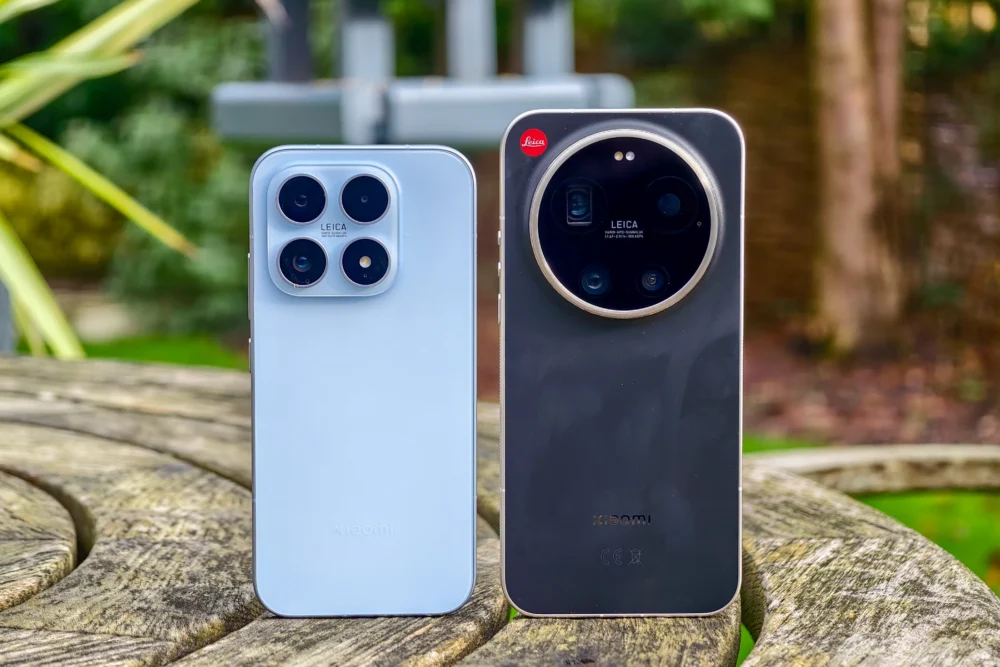
Xiaomi has officially launched its latest flagship smartphone lineup, the Xiaomi 17 and 17 Ultra, into the global market, signaling a strategic focus on both compact form factors and advanced photographic capabilities. Notably absent from this global release is the 17 Pro, a variant previously introduced in China featuring a distinctive secondary display adjacent to its rear camera array. The availability of the Xiaomi 17 and 17 Ultra is anticipated soon across the United Kingdom, Europe, and other select international territories, positioning them as premium contenders in the high-end smartphone segment.

The Xiaomi 17, positioned as a direct competitor to established industry titans like Apple’s iPhone 17 and Samsung’s Galaxy S26, will retail at £899 / €999 (approximately $1,200 USD). Its more expansive and feature-rich sibling, the 17 Ultra, commands a higher price point, starting at £1,299 / €1,499 (around $1,750 USD). For the discerning enthusiast seeking an exclusive experience, a limited-edition Leitzphone version of the Ultra will be available for £1,699 / €1,999 (approximately $2,300 USD). This premium variant distinguishes itself with a substantial 16GB of RAM, 1TB of internal storage, and an array of exclusive Leica-branded accessories, underscoring its appeal to photography aficionados.
The Xiaomi 17 represents a compelling proposition for users who prioritize a more manageable device size without compromising on cutting-edge technology. Measuring in with a 6.3-inch OLED display, it offers a vibrant and immersive visual experience. Under the hood, the device is powered by the formidable Qualcomm Snapdragon 8 Elite Gen 5 processor, ensuring top-tier performance for demanding applications, gaming, and multitasking. A significant engineering achievement is its substantial 6,330mAh silicon-carbon battery. While this capacity is slightly less than the 7,000mAh unit found in the Chinese variant of the 17 Pro, it still represents a considerable advantage in battery endurance compared to many similarly sized flagship devices from major competitors. Extended usage testing indicates that the Xiaomi 17 can comfortably exceed a full day of operation for typical users, though it falls just short of achieving two full days under more intensive usage patterns. This level of sustained power management is a notable differentiator in a market where many compact phones struggle to deliver even a single day of reliable use.

Photography enthusiasts will find much to admire in the Xiaomi 17’s camera system. The device boasts an impressive quad-camera setup on the rear, with each sensor equipped with a 50-megapixel resolution. This consistent high-resolution approach extends to the front-facing selfie camera, ensuring exceptional detail and clarity across all photographic applications. The combination of high megapixel counts and advanced sensor technology within a compact form factor positions the Xiaomi 17 as a formidable contender in the mobile photography space, offering image quality that rivals many larger and more specialized camera devices.
The Xiaomi 17 Ultra, as its name suggests, elevates the flagship experience with a more substantial physical presence and enhanced capabilities. The device features a larger 6.9-inch display, offering a more expansive canvas for content consumption and productivity. Its weight of 218 grams reflects the premium materials and advanced components housed within. While its battery capacity is slightly reduced to 6,000mAh compared to the standard 17, the real-world longevity is reported to be remarkably similar, suggesting optimized power management and efficiency in the Ultra model.

The photographic prowess of the 17 Ultra is where it truly distinguishes itself, particularly with its innovative camera array. The primary and ultrawide cameras both utilize 50-megapixel sensors, but the standout feature is the main sensor, which is a large 1-inch type, promising exceptional light-gathering capabilities and superior image quality, especially in challenging lighting conditions. The periscope telephoto lens is equally impressive, featuring a 200-megapixel sensor and a substantial 1/1.4-inch sensor size. This lens offers a unique continuous optical zoom range from 3.2x to 4.3x, equivalent to 75mm to 100mm focal lengths. This represents a significant advancement in smartphone telephoto capabilities, surpassing the optical zoom limitations of many competitors. While Sony’s Xperia 1 IV previously introduced a variable optical zoom, the Xiaomi 17 Ultra’s implementation is considerably more advanced, delivering natural bokeh effects and remarkable performance, even in low-light scenarios.
The collaboration with Leica, a renowned name in the photography world, is a central theme for Xiaomi’s premium offerings, and this is most evident in the limited-edition Leitzphone version of the 17 Ultra. This special edition builds upon the foundation of the 17 Ultra Leica Edition, which was initially released in China. It incorporates extensive Leica branding throughout the hardware and software interface, offering a curated selection of Leica-inspired filters and shooting modes that aim to emulate the distinctive aesthetic of Leica photography. A unique hardware feature of this edition is a rotatable rear camera ring, designed to provide intuitive and precise control over the zoom functionality, mimicking the tactile experience of professional camera lenses. This marks Xiaomi’s inaugural foray into producing a Leica Leitzphone for the global market, following a series of Japan-exclusive models developed by Sharp. The Leitzphone package is further enhanced with additional branded accessories, including a protective case featuring a lens cap and a premium microfiber cleaning cloth, solidifying its appeal as a collector’s item and a high-performance photographic tool.

Beyond the flagship smartphones, Xiaomi’s presence at MWC 2026 included a broader ecosystem of innovative products. Among these was an exceptionally slim magnetic power bank designed for seamless MagSafe compatibility and Qi2 certification, promising efficient and convenient wireless charging on the go. The company also unveiled its latest tablet offerings, the Pad 8 and Pad 8 Pro, indicating a continued commitment to expanding its presence in the tablet market with devices catering to various user needs. Furthermore, Xiaomi introduced a smart tag, a compact tracking device designed to integrate with both Google’s and Apple’s respective item-tracking networks, offering users enhanced security and peace of mind for their belongings. This diversified product strategy underscores Xiaomi’s ambition to provide a comprehensive range of connected devices that cater to the evolving demands of modern consumers.
The strategic decision by Xiaomi to emphasize both compact form factors with the standard 17 and advanced camera systems with the 17 Ultra and its Leica-branded variant reflects a calculated approach to capturing distinct market segments within the premium smartphone arena. The company is clearly leveraging its engineering prowess and strategic partnerships to offer devices that address specific user pain points, such as battery life in smaller phones and unparalleled photographic capabilities in larger flagships. The inclusion of the Leitzphone edition further solidifies Xiaomi’s ambition to compete at the highest echelon of smartphone design and performance, targeting a demographic that values both cutting-edge technology and heritage brand associations. As the market continues to mature, Xiaomi’s bold moves with the 17 series suggest a strong intent to challenge established leaders and carve out a significant share in the premium smartphone landscape. The success of these devices will likely hinge on their ability to deliver on the promise of their specifications and to resonate with consumers seeking both refined design and exceptional functionality.




 Ayu Aulia
 Lisa Mariana