Ridwan Kamil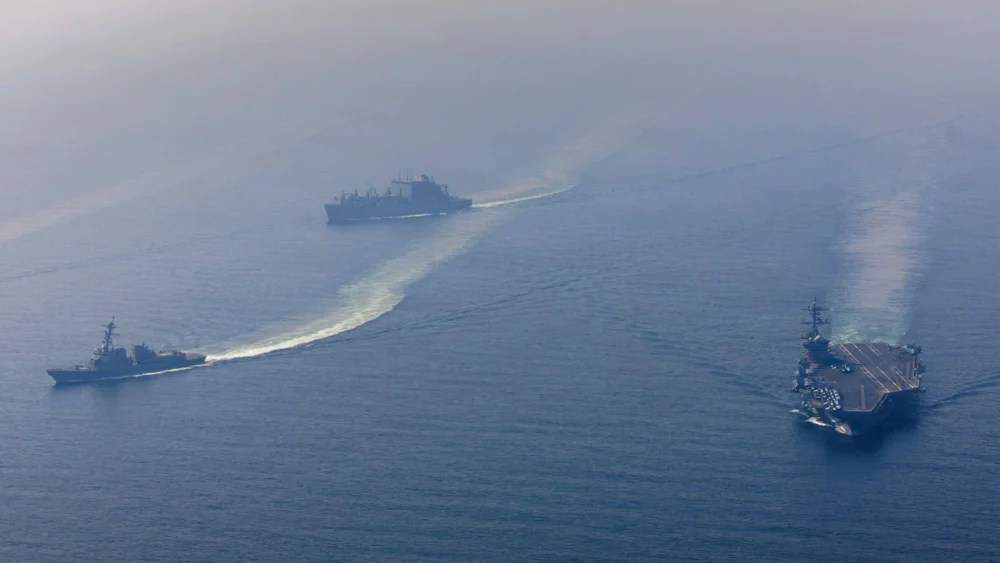
The United States has signaled a significant hardening of its stance towards Iran, coupling intensified diplomatic pressure with a tangible increase in its military posture in the Persian Gulf region, urging Tehran to engage in substantive negotiations to de-escalate escalating tensions. This dual approach underscores a critical juncture in a long-standing geopolitical standoff, where strategic positioning and unwavering resolve are being deployed as leverage in the pursuit of a diplomatic resolution to a complex web of regional and international concerns.
The recent surge in American military deployments across the Middle East, particularly within and around the Strait of Hormuz, represents a deliberate and calculated escalation designed to underscore the gravity of Washington’s warnings to Tehran. This strategic repositioning involves the redeployment of naval assets, enhanced aerial surveillance capabilities, and the reinforcement of regional military bases, all aimed at projecting a clear message of readiness and deterrence. This is not merely a show of force, but a meticulously orchestrated demonstration of intent, intended to convey to Iran that the United States is prepared to defend its interests and those of its allies in the region should diplomatic avenues prove insufficient. The underlying objective is to compel Iran to reconsider its current trajectory and to enter into meaningful dialogue concerning a range of issues, from its nuclear program to its regional activities.
For years, the specter of Iran’s nuclear ambitions has cast a long shadow over international relations, fueling anxieties and prompting a sustained diplomatic effort to prevent Tehran from acquiring nuclear weapons. The Joint Comprehensive Plan of Action (JCPOA), initially intended to curb Iran’s uranium enrichment activities in exchange for sanctions relief, has been a focal point of contention. The United States’ withdrawal from the JCPOA in 2018 and the subsequent reimposition of stringent economic sanctions have significantly impacted Iran’s economy and its ability to engage in international trade. This has, in turn, led to a recalibration of Iran’s strategic calculus, with a renewed emphasis on its indigenous defense capabilities and a more assertive regional policy.
The current intensification of U.S. military presence is directly linked to concerns over Iran’s continued advancement in its nuclear program, including reports of increased uranium enrichment levels and the development of more sophisticated centrifuge technology. Intelligence assessments suggest that Iran is closer than ever to possessing the fissile material necessary for a nuclear weapon, a development that would profoundly destabilize the region and trigger a significant arms race. The U.S. warnings are therefore framed within the context of preventing this outcome, employing a strategy of "maximum pressure" that combines economic sanctions with a clear military deterrent.
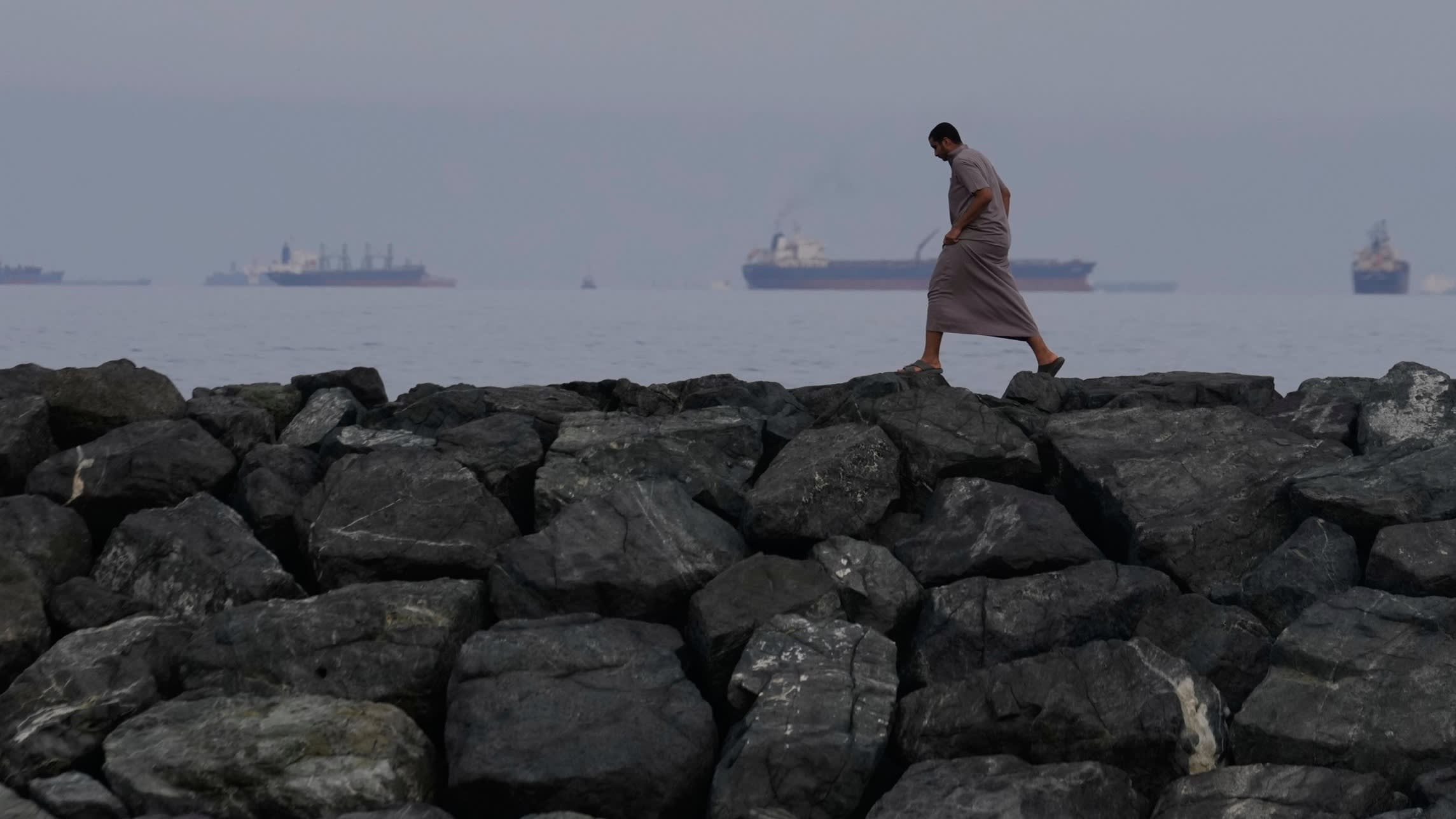
Beyond the nuclear issue, Iran’s regional activities are a significant driver of current U.S. policy. Tehran’s support for proxy groups across the Middle East, including Hezbollah in Lebanon, Houthi rebels in Yemen, and various militias in Iraq and Syria, has been a consistent source of regional instability and a direct challenge to U.S. allies like Saudi Arabia and Israel. The U.S. military deployments are also intended to counter these activities, to disrupt supply lines to these groups, and to enhance the defensive capabilities of regional partners. The presence of U.S. naval forces in strategic waterways, such as the Strait of Hormuz, is crucial for ensuring the unimpeded flow of global energy supplies and for deterring any attempts by Iran to disrupt maritime traffic.
The diplomatic dimension of the U.S. strategy is equally critical. While the military deployments serve as a backdrop, the underlying objective remains a negotiated settlement. Washington has repeatedly called for Iran to return to the negotiating table to discuss a more comprehensive agreement that addresses not only its nuclear program but also its ballistic missile development and its regional behavior. The challenge lies in bridging the significant trust deficit that has developed between the two nations over decades of adversarial relations. Iran, for its part, has often expressed a willingness to negotiate, but insists on the lifting of sanctions and a more equitable approach to discussions, viewing the U.S. military posture as a form of coercion rather than a genuine invitation to dialogue.
The current situation is characterized by a delicate balance of power and a high degree of risk. The increased military presence, while intended to deter, also raises the possibility of miscalculation or accidental escalation. Incidents involving naval vessels or aerial patrols in close proximity could quickly spiral into larger confrontations, with potentially devastating consequences for the region. The international community watches with bated breath, acutely aware of the potential for a conflict that could disrupt global energy markets, exacerbate humanitarian crises, and draw in other regional and global powers.
Expert analysis suggests that the U.S. strategy is a high-stakes gamble, predicated on the belief that sustained pressure, both economic and military, will eventually compel Iran to make concessions. However, there is also a recognition that this approach carries inherent risks. A prolonged period of heightened tensions could lead to Iran doubling down on its nuclear ambitions or retaliating through its proxy networks, further destabilizing an already volatile region. The effectiveness of this strategy will ultimately depend on a complex interplay of factors, including Iran’s internal political dynamics, the unity of the international community in supporting sanctions, and the willingness of both sides to find common ground.
The economic implications of this standoff are profound. Iran’s economy has been severely battered by sanctions, leading to widespread discontent and a weakened capacity for regional influence. However, the ongoing tensions also contribute to global energy price volatility, as the market anticipates potential disruptions to supply from the Persian Gulf. For global businesses and economies, this uncertainty translates into increased risk premiums and a cautious approach to investment in the region.
Looking ahead, the path to de-escalation remains fraught with challenges. The U.S. emphasis on a comprehensive deal, encompassing nuclear, missile, and regional issues, presents a daunting agenda for negotiations. Iran’s willingness to engage in such broad discussions will likely be contingent on significant concessions from the U.S., particularly regarding sanctions relief. The international community, including key European allies, has largely advocated for a return to the JCPOA framework as a starting point, reflecting a preference for a more incremental and verifiable approach to Iran’s nuclear program.
The success of Washington’s current strategy hinges on its ability to maintain a credible deterrent while simultaneously opening genuine channels for diplomacy. The risk of unintended consequences is ever-present, and the potential for miscalculation by any party could trigger a chain of events that would be difficult to contain. The coming months will be crucial in determining whether this period of intensified pressure leads to a breakthrough in negotiations or further entrenches the existing impasse, with potentially dire implications for regional and global security. The world is observing a meticulously calibrated exercise in brinkmanship, where the stakes are exceptionally high and the outcome remains uncertain.



 Aura Kasih
 Lisa Mariana
 Ayu Aulia