Lisa Mariana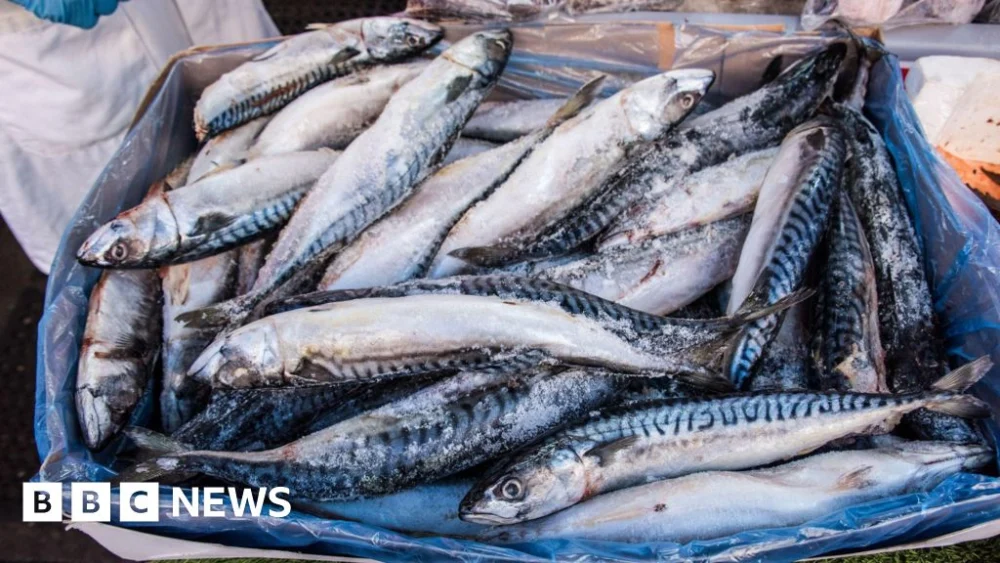
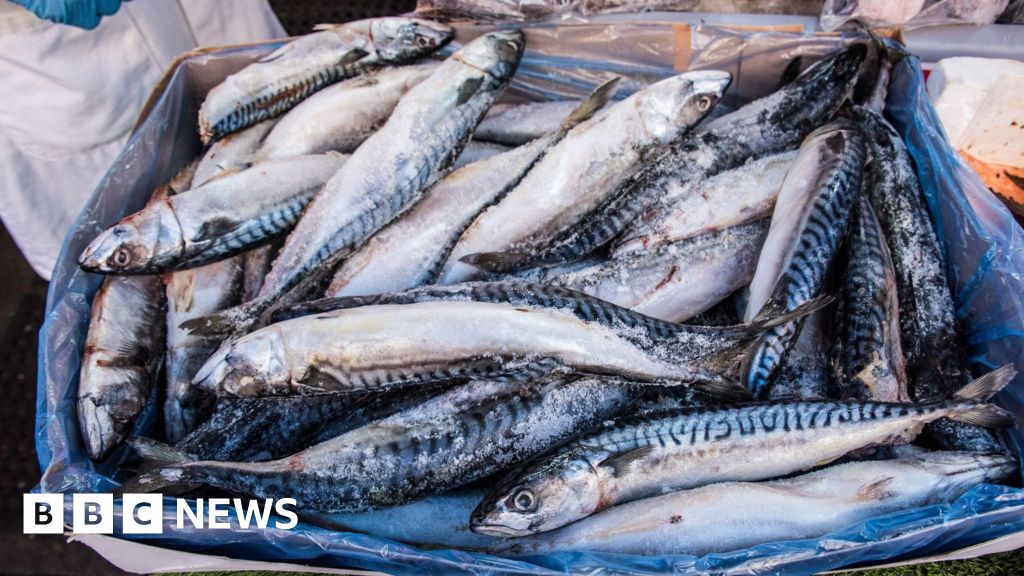
In a significant move underscoring intensifying ecological pressures on marine ecosystems, British upscale grocer Waitrose has announced a comprehensive cessation of all mackerel product sales, citing severe overfishing in the North East Atlantic. This proactive measure, set to be fully implemented by late April for fresh, chilled, and frozen varieties, and following the depletion of existing tinned stocks, positions the retailer as a frontrunner in addressing the critical sustainability challenges facing global fisheries. The decision reflects growing alarm among scientific and conservation bodies regarding the health of mackerel populations, which are fundamental to the oceanic food web and a vital economic resource for numerous coastal communities.
The impetus behind Waitrose’s unprecedented action stems directly from authoritative scientific advice indicating that mackerel stocks in the North East Atlantic have plummeted to precarious levels. The International Council for the Exploration of the Sea (ICES), the primary scientific advisory body for fisheries management in the North Atlantic, has consistently warned that persistent overfishing, largely driven by an absence of comprehensive international quota agreements, has prevented the stock from regenerating at a sustainable rate. This imbalance, where catch volumes far exceed the species’ reproductive capacity, jeopardizes the long-term viability of the entire fishery.
Despite recent diplomatic efforts, including an agreement in December by the UK, Norway, the Faroe Islands, and Iceland to reduce mackerel catches by 48%, Waitrose deemed these measures insufficient to safeguard the species’ future. The supermarket, a subsidiary of the John Lewis Partnership, maintains that more drastic and immediate action is required to reverse the decline. The company has explicitly stated that it will only reintroduce mackerel products to its shelves once the fishery demonstrably meets its stringent responsible sourcing criteria, a standard it anticipates will not be met by North East Atlantic mackerel before May 2026. This commitment underscores a broader trend within the retail sector towards heightened accountability for supply chain environmental impacts.
Mackerel represents a particularly significant catch in British waters, with UK vessels landing over 230,000 tonnes of the species in 2024 alone, making it the most commercially important fish by volume. The majority of this fishing activity is concentrated off the coast of Scotland, rendering Waitrose’s decision a potentially impactful development for the Scottish pelagic fishing industry. The suspension, affecting all mackerel sourced from Scottish waters, highlights the complex interplay between environmental stewardship, economic interests, and international fisheries policy.
Jake Pickering, Head of Agriculture, Aquaculture and Fisheries at Waitrose, articulated the rationale behind the move, emphasizing the company’s "ethical and sustainable business commitments." He stated that by suspending mackerel sourcing, Waitrose aims to "tackle overfishing and protect the long-term health of our oceans and this crucial fish." This statement aligns with a corporate strategy increasingly focused on environmental, social, and governance (ESG) factors, where retailers are expected to demonstrate leadership beyond mere compliance. In place of the suspended mackerel, Waitrose plans to offer an expanded range of alternative, "responsibly sourced" seafood products, all certified by the Marine Stewardship Council (MSC), an international non-profit organization that sets a standard for sustainable fishing. This pivot aims to guide consumers towards more sustainable choices while maintaining a diverse seafood offering.
Conservation organizations have largely lauded Waitrose’s decisive action. The Marine Conservation Society (MCS), which had previously issued stark warnings about mackerel being "under immense pressure from fishing activities across multiple nations," welcomed the announcement as a critical step. Kerry Lyne, the MCS’s Good Fish Guide manager, underscored the collective responsibility required across the entire supply chain, asserting that "to keep favourites like mackerel on the menu, we need support right across the supply chain with fishing kept within sustainable limits." This perspective emphasizes that sustainable fisheries management is not solely the domain of governments and fishing fleets but also requires active participation from retailers and consumers.
Similarly, the Blue Marine Foundation, a prominent conservation charity, echoed the sentiment of urgency. Charles Clover, co-founder of the organization, characterized overfishing as a "crisis" that has been "ignored for too long." He pointed to the "plight of the mackerel" as symptomatic of a broader systemic failure to adhere to scientific recommendations designed to maintain healthy fish stocks capable of recovering from fishing pressure. Clover expressed hope that Waitrose’s action would elevate the issue to the forefront of the political agenda, noting that "last year more than half of UK catch limits were set above sustainable levels," a statistic that underscores the scale of the challenge.
However, the decision has not been universally embraced. Representatives of the Scottish pelagic fishing industry have voiced dismay, particularly regarding the timing of the announcement. Ian Gatt of the Scottish Pelagic Fishermen’s Association expressed criticism, suggesting that significant progress was being made in ongoing international quota-sharing negotiations. The industry’s concerns highlight the immediate economic ramifications for fishing communities, which depend heavily on mackerel catches for their livelihoods. Such unilateral decisions by major retailers, while lauded by environmental groups, can disrupt established supply chains and exert considerable pressure on local economies, creating a complex dilemma between ecological preservation and economic stability.
The wider implications of Waitrose’s stance extend beyond the immediate supply chain. It sets a powerful precedent within the competitive UK retail landscape, potentially compelling other supermarkets to review their own sourcing policies for mackerel and other vulnerable species. This could trigger a ripple effect, driving greater demand for independently certified sustainable seafood and fostering a more competitive environment for responsible fishing practices. Furthermore, it could intensify pressure on governmental bodies and international fisheries organizations to forge more robust and enforceable agreements that align with scientific advice, moving beyond incremental reductions that are deemed insufficient by leading retailers and conservationists.
The challenges in managing transboundary fish stocks like mackerel are inherently complex, involving multiple sovereign nations with diverse economic interests and historical fishing rights. The North East Atlantic mackerel stock, for instance, migrates across vast areas, making its management a shared responsibility that necessitates international cooperation. Disagreements over national quotas have frequently led to total catches exceeding scientific recommendations, exacerbating the problem of overfishing. Waitrose’s decision serves as a stark reminder that when multilateral agreements falter, individual corporate actors may step in to exert influence, driving change through market mechanisms rather than solely through policy.
Looking ahead, the long-term health of mackerel populations, and indeed many other marine species, hinges on a concerted and adaptive approach to fisheries management. This includes not only stricter quota adherence but also enhanced monitoring, enforcement, and the development of innovative fishing techniques that minimize ecological impact. The move by Waitrose signals a growing recognition within the business community that environmental sustainability is not merely a philanthropic endeavor but a fundamental component of long-term business resilience and consumer trust. As climate change continues to impact ocean ecosystems, and global demand for seafood escalates, the proactive measures taken by retailers like Waitrose may become increasingly common, reshaping consumer expectations and driving a more sustainable future for marine resources. The episode serves as a powerful illustration of the escalating tension between commercial imperatives and ecological limits, underscoring the urgent need for a more harmonious balance to be struck.




 Aura Kasih
 Ayu Aulia