Ayu Aulia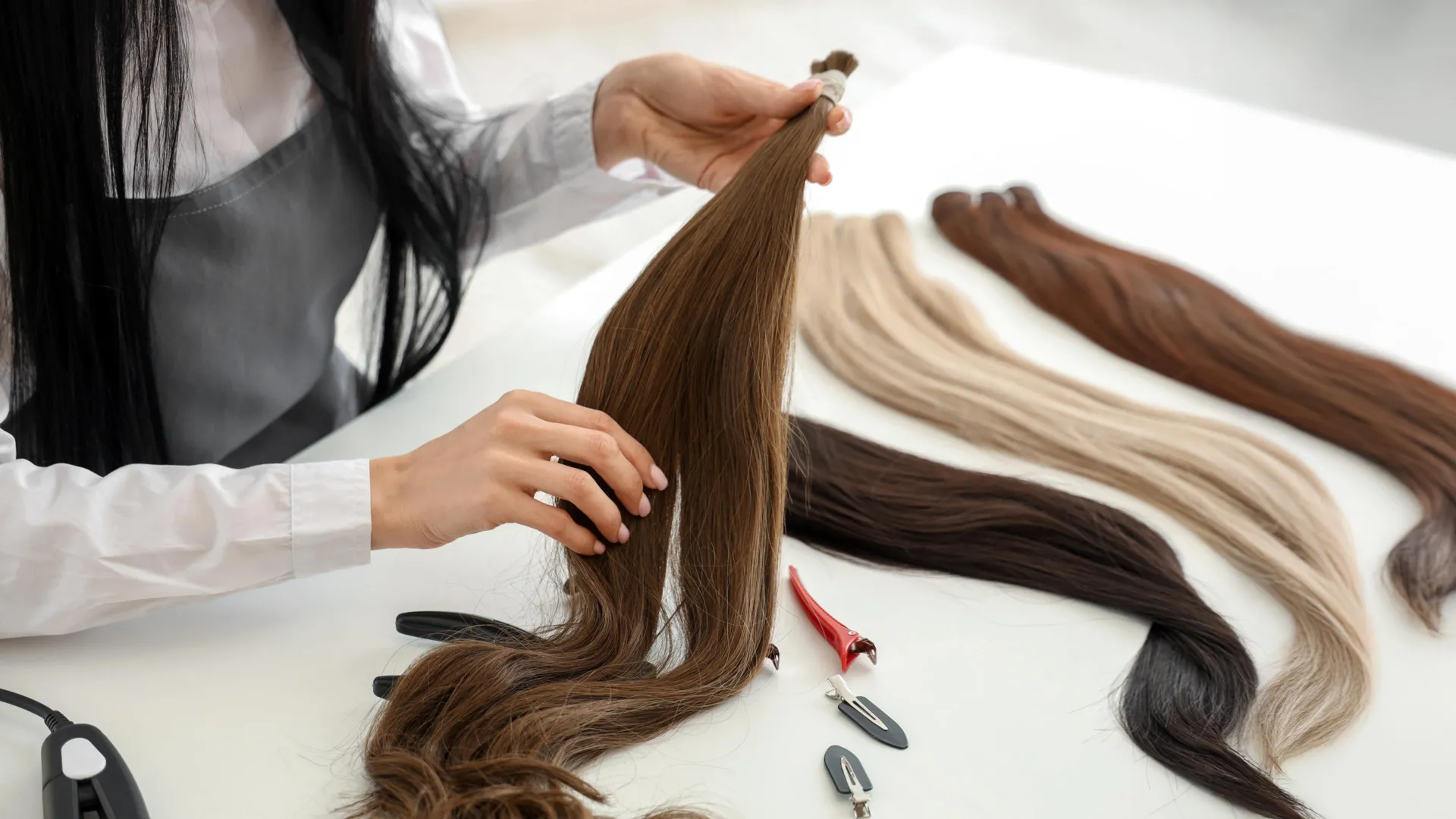
A groundbreaking scientific inquiry has systematically identified a broad spectrum of potentially hazardous chemical compounds, including those with documented links to cancer and endocrine disruption, within numerous popular hair extension products available on the market. This extensive investigation represents the most thorough chemical assessment conducted to date on a product category that remains largely unregulated within the beauty industry. The findings underscore a significant public health concern, particularly for communities that utilize these products at elevated rates, such as Black women, suggesting a previously underestimated exposure pathway for harmful substances.
The detailed research, which offers a stark revelation into the chemical composition of these pervasive beauty items, was published in the esteemed American Chemical Society journal Environment & Health. Its timely release coincides with escalating public and scientific scrutiny regarding the long-term health ramifications associated with consistent use of hair extensions. Demographic data highlights a pronounced disparity in usage patterns: a substantial majority, over 70 percent, of Black women report incorporating hair extensions into their routines at least once annually, a figure that dramatically contrasts with less than 10 percent among women from other racial and ethnic backgrounds. This preference is multifaceted, rooted in considerations of cultural expression, personal aesthetic choices, and practical convenience.
Experts contend that while prior, more limited analyses had flagged the presence of certain concerning chemicals within hair extensions, a comprehensive understanding of their overall chemical profile remained elusive. The imperative behind this latest study was to construct a more complete and accurate inventory of the chemical landscape inherent in these products. Researchers emphasize that the beauty industry has historically shown a significant lack of attention to the unique health considerations of Black women, who are now faced with a difficult choice between upholding cultural identity, enjoying styling flexibility, and safeguarding their well-being. This disparity in product safety and information access represents a critical issue of environmental justice within the consumer goods sector.
Manufacturing Processes and the Veil of Non-Disclosure
Hair extensions are fabricated from a diverse array of materials, encompassing both synthetic fibers—predominantly plastic polymers—and bio-based resources, which include human hair, as well as less common materials like banana fibers or silk. Manufacturers frequently subject these base materials to various chemical treatments designed to impart desirable functional properties. These treatments aim to render the fibers resistant to flame, water-repellent, or endowed with antimicrobial characteristics, enhancing product durability and user experience.
However, a critical gap in consumer information persists. Companies rarely provide comprehensive disclosure regarding the specific chemical agents employed to achieve these enhanced properties. This absence of transparency leaves consumers largely uninformed about the potential health risks associated with prolonged exposure. Given that hair extensions are worn in direct contact with the scalp and neck for extended periods, wearers are susceptible to continuous dermal absorption. Furthermore, the common practice of applying heat during styling, whether through blow dryers, flat irons, or curling wands, can induce the volatilization of these chemicals, releasing them into the surrounding air where they can be inhaled by the user. This dual pathway of exposure—dermal and respiratory—amplifies the potential for adverse health outcomes.
Rigorous Methodologies Uncover a Chemical Nexus
To systematically probe the chemical makeup of these products, the research team acquired 43 popular hair extension brands. These samples were sourced from a variety of retail channels, including prominent online vendors and local beauty supply stores, ensuring a representative cross-section of the market. The products were then meticulously categorized based on their primary fiber type: synthetic, largely composed of plastic polymers, or bio-based, which included natural human hair, banana fibers, or silk. A thorough review of product packaging was also conducted, documenting various claims made by manufacturers. Notably, among the synthetic products examined, 19 purported to be flame retardant, three were marketed as water resistant, nine advertised heat resistance, and three carried "green" certifications, such as "no PVC" or "non-toxic" claims, which often lack standardized definitions or independent verification.
The scientific methodology employed for this investigation represented a significant advancement in consumer product analysis. Researchers utilized a sophisticated technique known as non-targeted analysis, a powerful approach designed to detect a wide array of chemical compounds, including substances not typically sought out in conventional consumer product screenings. This comprehensive strategy was executed using two-dimensional gas chromatography coupled with high-resolution mass spectrometry (GCxGC-HRMS). This advanced analytical platform enabled the detection of over 900 distinct chemical signatures, representing both previously identified and entirely novel compounds. Subsequent application of machine-learning algorithms facilitated the comparison of these complex chemical signatures against an extensive and robust chemical database, ultimately leading to the definitive identification of 169 specific chemical substances, categorized across nine major structural classes. This unparalleled level of detail provides an unprecedented glimpse into the intricate chemical cocktails present in hair extensions.
A Litany of Concerning Substances: Cancer, Hormones, and Developmental Harm
The detailed chemical profiling unveiled a troubling array of substances known to be associated with serious health consequences. These included compounds linked to various forms of cancer, disruptions to the endocrine system, adverse developmental effects, and compromises to the immune system. Specific classes of identified chemicals included industrial flame retardants, plasticizing phthalates, agricultural pesticides, the neurotoxic compound styrene, the solvent tetrachloroethane, and organotin compounds. Each of these classes carries its own distinct profile of documented health risks, raising profound questions about their presence in products intended for prolonged human contact.
The detection of organotins, in particular, proved to be a significant and unexpected finding for the research team. Organotin compounds are predominantly employed as heat stabilizers in polyvinyl chloride (PVC) manufacturing, a common plastic. Their presence in hair extensions is concerning, as these substances have been robustly linked to skin irritation, a frequently reported complaint among individuals who wear hair extensions. Beyond localized irritation, organotins are also implicated in more severe systemic effects, including potential carcinogenicity and significant endocrine-disrupting activity, which can interfere with the body’s hormonal balance and reproductive health. The surprising discovery of these industrial chemicals underscores the complexity and often opaque nature of modern manufacturing supply chains for consumer goods.
The Urgent Call for Enhanced Regulatory Oversight
The global market for hair extensions is experiencing rapid expansion, with projections indicating it will exceed a staggering $14 billion valuation by 2028. The United States currently holds a leading position in the global import of these products, signifying a substantial domestic market. Given the considerable economic scale of this industry and the alarming spectrum of hazardous chemicals identified in this study, there is a compelling and urgent need for more robust regulatory oversight. This is not merely a matter of consumer protection but also an imperative to incentivize manufacturers to innovate and invest in the development of demonstrably safer product formulations.
Many of the substances pinpointed in the investigation are recognized under California’s Proposition 65 (The Safe Drinking Water and Toxic Enforcement Act of 1986). This designation implies that their presence in hair extensions may necessitate clearer warning labels for consumers and a more rigorous regulatory examination to assess compliance and mitigate exposure risks. Proposition 65 serves as a critical benchmark, signaling substances known to cause cancer, birth defects, or other reproductive harm, thereby compelling businesses to inform Californians about exposures to such chemicals.
Encouragingly, legislative initiatives aimed at addressing these product safety concerns are gaining significant momentum across various jurisdictions. In New York, state lawmakers have introduced proposed legislation that would mandate comprehensive ingredient disclosure from manufacturers of synthetic braids and hair extensions, providing consumers with vital information to make informed choices. Concurrently, in New Jersey, a bill is progressing through the legislative process that seeks to outright prohibit the inclusion of certain specified harmful chemicals in synthetic hair products, representing a more direct intervention to eliminate hazardous exposures. At the national level, the "Safer Beauty Bill Package," introduced in the U.S. Congress last year, contains pivotal provisions that would empower the Food and Drug Administration (FDA) with greater authority and a specific directive to regulate the safety of synthetic braids and hair extensions, thereby establishing a federal framework for product safety in this category.
The funding for this critical research project was made possible through a Beauty Justice Grant provided by the Environmental Defense Fund, complemented by charitable contributions directed to the Silent Spring Institute, specifically supporting the Institute’s Safer Chemicals Program. This collaborative effort underscores the growing interdisciplinary commitment to advancing chemical safety and promoting environmental health equity.
Implications and Future Directions
The profound implications of this study extend beyond the immediate product category of hair extensions. It highlights a systemic issue within the broader beauty and personal care industry: the pervasive use of inadequately vetted chemicals in consumer products and the significant regulatory loopholes that permit such practices. For consumers, especially those who rely on hair extensions for cultural or aesthetic reasons, the findings present a challenging dilemma. It underscores the critical need for greater transparency from manufacturers regarding product ingredients and a more proactive approach to chemical screening and substitution.
From a public health perspective, the disproportionate exposure burden on Black women due to higher usage rates of these products raises serious environmental justice concerns. It necessitates a targeted focus on understanding and mitigating health disparities that arise from differential chemical exposures in everyday consumer goods. Future research must include longitudinal studies to track health outcomes in heavy users of hair extensions and biomonitoring studies to assess internal body burdens of the identified chemicals.
For the industry, these findings serve as a clarion call for responsible innovation. The emphasis must shift towards green chemistry principles, prioritizing the development and use of safer, non-toxic alternatives for flame retardancy, waterproofing, and other functional properties. Manufacturers have an ethical obligation to ensure the safety of their products, moving beyond mere compliance with minimal existing regulations towards a proactive stance on consumer health protection.
Regulatory bodies, including the FDA, are now faced with compelling scientific evidence that demands a re-evaluation of their oversight mechanisms for cosmetics and beauty accessories. The current regulatory framework, which often treats cosmetics with less stringency than food or pharmaceuticals, appears insufficient to protect public health from complex chemical exposures. The legislative efforts currently underway are crucial first steps towards establishing a more robust system of pre-market safety assessment, mandatory ingredient disclosure, and the prohibition of known hazardous substances. The ultimate goal must be a consumer market where products are not only effective and aesthetically pleasing but also demonstrably safe for all users, regardless of their cultural practices or demographic profile. This comprehensive analysis stands as a pivotal contribution to that ongoing endeavor, urging immediate action and long-term systemic change.




 Aura Kasih
 Lisa Mariana


 Ridwan Kamil