Lisa Mariana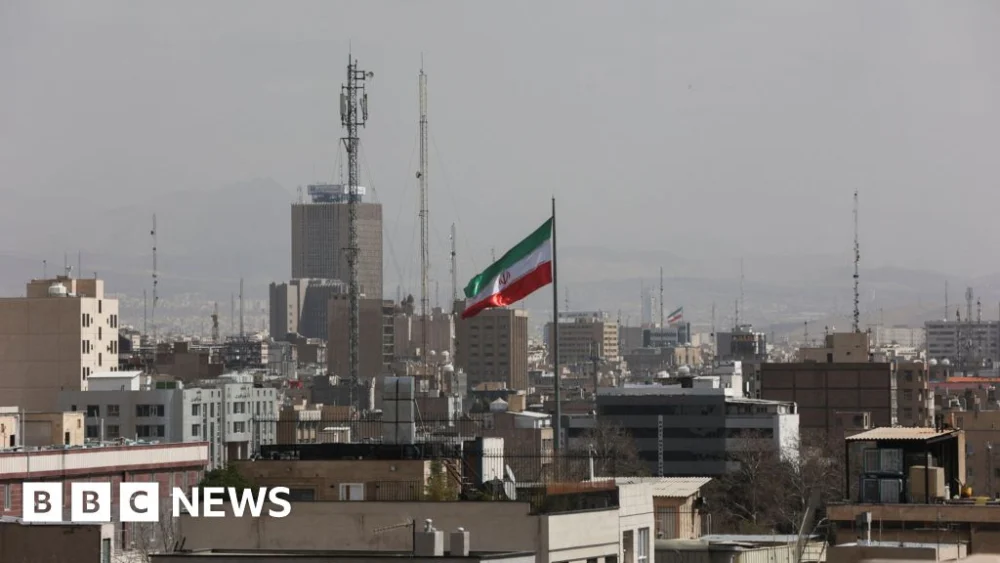
In a dramatic and rapidly unfolding development, a coordinated military operation involving forces from the United States and Israel has been launched against targets within Iran, marking a significant escalation in regional tensions. This offensive, characterized by both Washington and Jerusalem as a critical response to perceived existential threats, follows an extended period of heightened rhetoric and unresolved diplomatic impasses concerning Tehran’s nuclear ambitions and regional activities. The scope of the attacks, described by senior US officials as "massive and ongoing," suggests a concerted effort to dismantle specific Iranian capabilities and exert substantial pressure on the clerical regime.
The Genesis of the Crisis: A Pre-Emptive Strike and Diplomatic Deadlock
The decision to initiate direct military action comes after months, if not years, of mounting friction centered on Iran’s nuclear program and its expansive regional influence. Negotiations aimed at curtailing Tehran’s nuclear advancements had repeatedly stalled, with Western powers expressing increasing alarm over the pace of uranium enrichment and the development of advanced centrifuges. Israel, viewing a nuclear-armed Iran as an intolerable existential threat, has consistently advocated for a robust international response, including military options, to prevent such an outcome. The Israeli Defence Minister explicitly framed the current operation as a "pre-emptive attack," indicating an assessment that an immediate and severe threat necessitated direct intervention. From the American perspective, President Donald Trump cited the imperative to "defend the American people by eliminating imminent threats from the Iranian regime" and to "ensure that Iran does not obtain a nuclear weapon," aligning US objectives with long-standing concerns over proliferation and regional stability. This convergence of strategic interests and perceived urgency appears to have underpinned the joint military undertaking.
Operational Footprint Across Iran
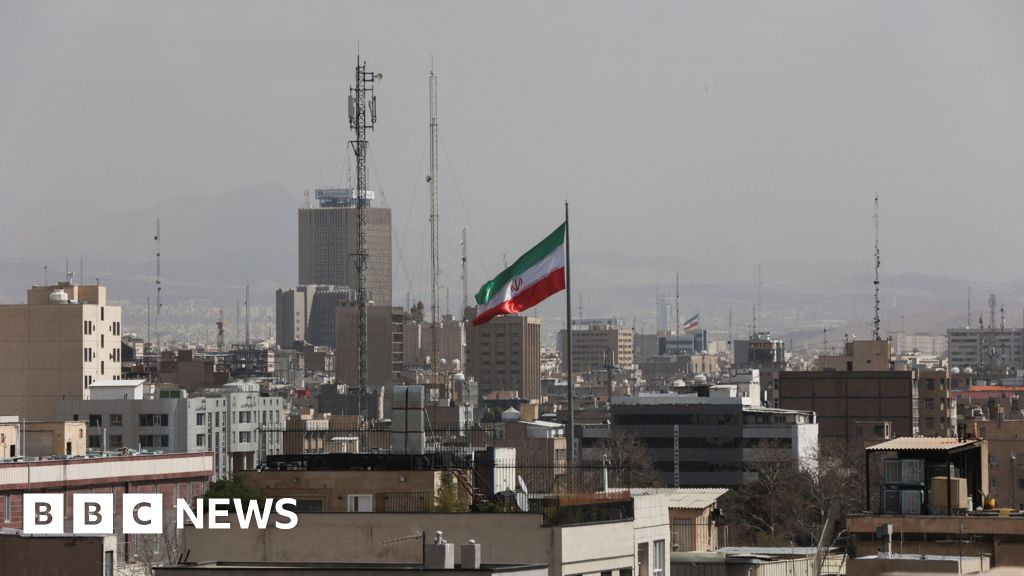
Initial reports from within Iran painted a picture of widespread disruption. Shortly after 09:30 Tehran time (06:00 GMT), multiple media outlets reported significant explosions resonating across the capital. Visual evidence, including images depicting plumes of smoke rising over prominent areas such as Jomhouri Square and Hassan Abad Square, quickly circulated, confirming the severity of the strikes. Beyond Tehran, blasts were reportedly heard in a diverse array of cities, including Isfahan, Qom, Karaj, and Kermanshah. The geographical spread of these reported incidents suggests a coordinated assault targeting various strategic locations, which could encompass military installations, command and control centers, infrastructure critical to the nuclear program, or logistical hubs supporting regional proxy forces. The immediate impact on casualties and infrastructure remains to be fully assessed, but the closure of Iranian airspace, as confirmed by Tasnim News Agency, indicates a significant operational environment and a severe disruption to normal civilian activities. This airspace closure is a standard response during major military engagements, designed to prevent accidental targeting of civilian aircraft and to maintain air superiority for ongoing military operations.
Statements from Washington and Jerusalem: Objectives and Appeals
Both the United States and Israel have issued direct and unequivocal statements regarding their involvement and objectives. President Trump, utilizing the Truth Social platform, confirmed the commencement of "major combat operations in Iran" by the United States military. His address went beyond merely defensive justifications, calling upon Iranian government forces to "lay down their arms" and appealing directly to the Iranian populace. He urged citizens to remain in shelter, emphasizing that "when we are finished, take over your government. It will be yours to take. This will be probably your only chance for generations." This rhetoric signals a clear intent to not only neutralize specific threats but potentially to catalyze internal regime change, a highly ambitious and historically contentious objective for external military interventions.
Concurrently, Israeli Prime Minister Benjamin Netanyahu echoed these sentiments, expressing gratitude to President Trump for the "joint action" and reiterating Israel’s unwavering stance that Iran "must not be armed with nuclear weapons that would allow it to threaten all of humanity." Netanyahu also addressed the Iranian people, exhorting them "to throw off the yoke of tyranny and bring about a free and peaceful Iran," further reinforcing the narrative of external support for internal transformation. These coordinated appeals to the Iranian populace underscore a dual strategy: direct military pressure coupled with an attempt to foster domestic opposition to the current government. Israeli authorities, in parallel, issued urgent directives for their citizens, advising adherence to official guidance and declaring a "special and permanent state of emergency" across the nation, highlighting the anticipation of potential retaliatory actions.
Iranian Retaliation and Regional Ripple Effects
The initial phase of the joint operation swiftly triggered a response from Tehran. The Israeli military reported detecting multiple missiles launched from Iranian territory towards Israel, activating its sophisticated air defense systems to "intercept and strike threats where necessary." Reports of explosions in cities like Haifa and other Israeli locales quickly emerged, though it remained unclear whether these represented successful impacts or the successful interception of incoming projectiles by Israeli defenses. This immediate tit-for-tat exchange underscores the highly volatile nature of the conflict and the inherent risks of rapid escalation.
Beyond the direct Israel-Iran front, the conflict’s regional dimensions became immediately apparent. In Bahrain, a critical regional ally and host to the US Navy’s Fifth Fleet, emergency sirens blared, and the state news agency reported that the service center of the US Navy 5th Fleet had been "subjected to a missile attack." This incident points to the potential for Iran or its proxies to target US assets in the broader Gulf region, broadening the conflict’s geographical scope and directly involving American forces beyond the initial strikes within Iran. Such an attack on a vital US naval installation would represent a significant escalation, demanding a robust response and potentially drawing in other regional actors. Bahrain’s Interior Ministry urged its residents to remain calm and seek immediate shelter, reflecting the heightened state of alert across the Gulf. In Israel, the authorities implemented extensive security measures, including warnings against large gatherings, advising against non-essential travel to work or school, and imposing a closure of its airspace to civilian flights, signaling a prolonged period of elevated threat and disruption.
Geopolitical Implications and Future Outlook
The joint US-Israel military action against Iran marks a profound shift in Middle Eastern geopolitics, carrying far-reaching implications that extend beyond the immediate theater of conflict.
Firstly, the explicit call for regime change from both Washington and Jerusalem signifies a dramatic departure from previous strategies focused primarily on containment or nuclear deal diplomacy. This objective, if pursued, could lead to a protracted and highly destabilizing conflict, with unpredictable outcomes for Iran’s internal dynamics and regional power structures. The potential for internal unrest, either suppressed violently by the regime or amplified by external support, introduces a complex layer of uncertainty.
Secondly, the regionalization of the conflict, as evidenced by the attack on the US Navy’s Fifth Fleet in Bahrain, suggests that Iran’s response will not be confined to direct retaliation against Israel. Iran possesses a robust network of proxy forces and allies across the Middle East, including Hezbollah in Lebanon, various Shiite militias in Iraq, and the Houthis in Yemen. Activation of these proxies could open multiple new fronts, destabilizing Iraq, Syria, Lebanon, and the Red Sea shipping lanes, with severe consequences for global energy markets and maritime trade. The Strait of Hormuz, a critical chokepoint for global oil supplies, would immediately become a focal point of concern, with potential for disruption and significant economic fallout.
Thirdly, the international community’s response will be critical. Major global powers, including Russia, China, and European nations, are likely to condemn the military action and call for immediate de-escalation through diplomatic channels. However, the depth of their influence and their capacity to mediate a cessation of hostilities in a rapidly escalating conflict remains uncertain. The United Nations Security Council would undoubtedly be convened, but consensus on a path forward would be challenging, given the deep divisions among its permanent members.
Finally, the long-term impact on nuclear non-proliferation efforts is significant. If the stated objective of preventing Iran from obtaining nuclear weapons is achieved through military force, it could set a controversial precedent. Conversely, a prolonged conflict could push Iran further towards weaponization as a perceived deterrent. The ramifications for the global non-proliferation treaty and the credibility of international diplomatic frameworks are profound.
The coming days and weeks will be crucial in determining the trajectory of this unprecedented escalation. The United States and Israel face the formidable challenge of managing a complex military operation while navigating a highly volatile geopolitical landscape, with Iran’s strategic options for retaliation and the broader regional and international reactions poised to shape the future of the Middle East. The initial strikes have irrevocably altered the regional security paradigm, ushering in an era of heightened uncertainty and potential for widespread conflict.



 Ayu Aulia
 Aura Kasih