Lisa Mariana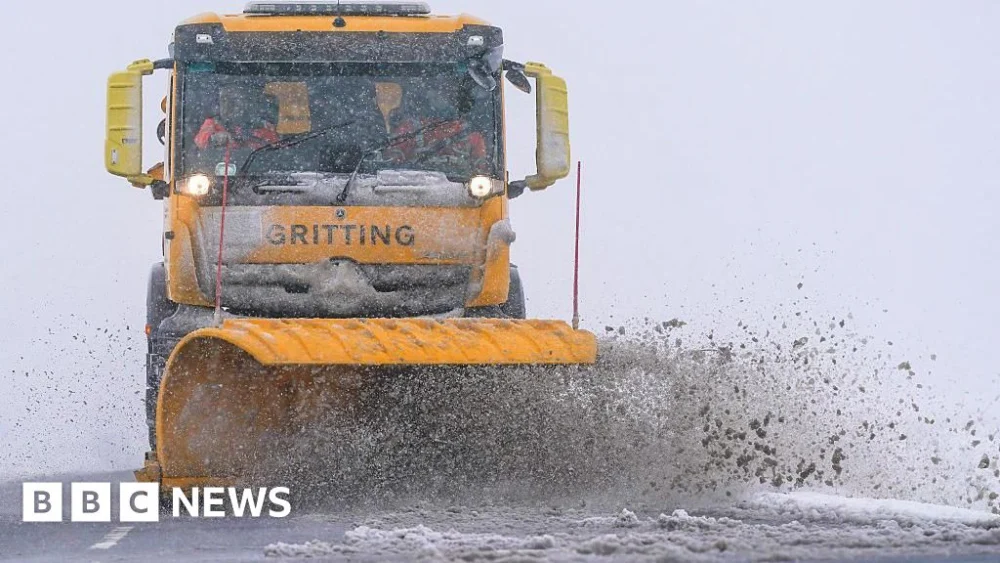
The United Kingdom is currently experiencing a profound cold snap, as an influx of arctic air has driven temperatures significantly below freezing, prompting widespread advisories for hazardous ice, pervasive frost, and snowfall across various regions. This latest meteorological event follows a period of blustery conditions and precedes further unsettled weather, creating a complex challenge for public safety and infrastructure management.
During Monday night, the country witnessed a sharp decline in mercury readings, with temperatures plummeting to as low as -4.7 degrees Celsius (23.5 degrees Fahrenheit) in the Scottish Highlands. This frigid air mass, originating from polar regions, brought with it a stark reminder of winter’s severity, transforming landscapes with a frosty sheen and depositing fresh layers of snow, particularly on elevated terrain. The immediate aftermath has seen national meteorological agencies issue a series of yellow weather warnings, signaling potential disruptions and demanding heightened vigilance from the populace.
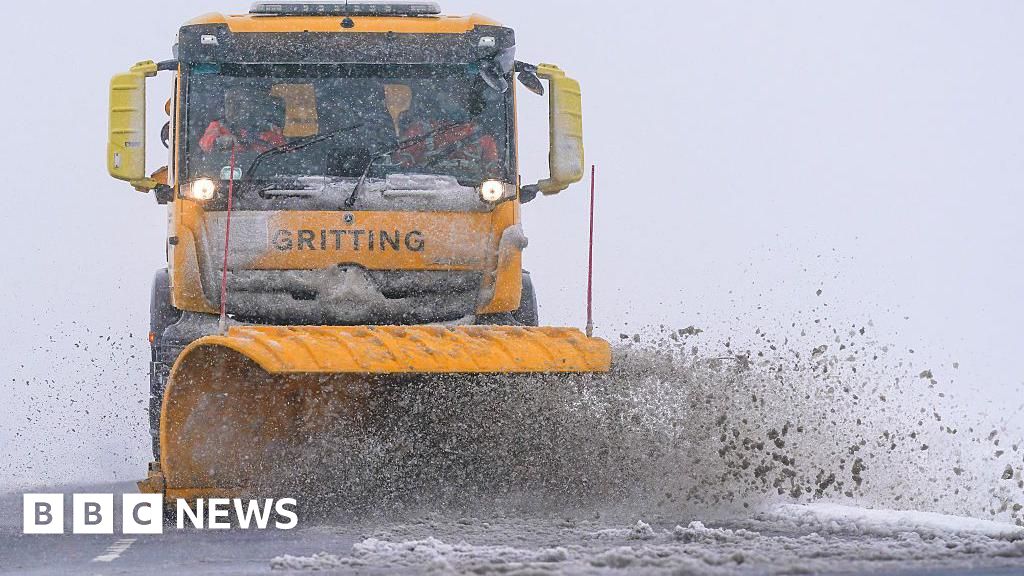
The Met Office, the UK’s national weather service, had strategically placed yellow warnings for snow and ice across significant portions of Scotland, alongside northern and eastern England, extending through the morning hours of Tuesday. These advisories highlighted the potential for considerable travel disruption, largely due to periods of sleet and snow that blanketed areas throughout Monday evening and into the overnight period. Concurrently, a distinct yellow ice warning was in effect for the entirety of Northern Ireland, also concluding on Tuesday morning, underscoring the pervasive nature of the cold front. Authorities specifically cautioned commuters regarding the elevated risk of black ice – a transparent yet treacherous layer of ice that is notoriously difficult to discern – and generally slippery conditions on roads and pathways.
The current cold spell is not an isolated incident but rather a continuation of frosty conditions that began to spread across the country over the preceding weekend. This initial wave saw several snow and ice warnings activated as the arctic air mass first began its southward trajectory. Monday itself presented a mixed meteorological picture for much of the UK, characterized by blustery showers interspersed with fleeting brighter intervals. However, wintry precipitation remained a persistent feature across Scotland, with snow accumulating noticeably over higher ground, setting the stage for the more severe conditions that followed.
As Monday transitioned into night, the core of the colder Arctic air intensified its southward progression, effectively lowering the altitude at which snow could form and settle. This meteorological shift amplified the risk of both widespread ice formation and localized snow showers across a broader geographical area. The impact was clearly quantifiable in the overnight temperature records: England registered a low of -3.4 degrees Celsius in parts of Cumbria, while Northern Ireland shivered at -3.7 degrees Celsius in County Down. Scotland, as anticipated, bore the brunt of the chill, recording the national nadir of -4.7 degrees Celsius in its Highland regions. Even Wales experienced freezing conditions, with Powys noting a low of -1.3 degrees Celsius, indicating a near-nationwide embrace of sub-zero temperatures.
Looking ahead, Tuesday is largely anticipated to deliver a day of dry conditions and considerable sunshine for many parts of the UK. Despite the brighter skies, the lingering effect of the arctic air will ensure temperatures remain stubbornly low, hovering typically between 3 and 6 degrees Celsius. A brisk northerly wind is forecast to exacerbate the chill, particularly in eastern areas, where the wind chill factor could make ambient temperatures feel deceptively close to freezing. This phenomenon, where the perceived temperature is significantly lower than the actual air temperature due to the chilling effect of wind, adds another layer of discomfort and potential hazard.
The cold grip is projected to tighten further into Wednesday morning, with temperatures again expected to fall close to, or below, freezing for the majority of the UK. For parts of northern and north-east Scotland, forecasters are predicting an even more severe overnight freeze, with the mercury potentially plummeting to between -8 and -10 degrees Celsius. Such extreme lows carry significant risks and could necessitate the issuance of further ice warnings, prompting continued vigilance from emergency services and the public alike.
Mid-week, a shift in weather patterns is anticipated, bringing a return to more unsettled conditions. A band of rain is expected to push in from the south and west, marking a change from the dry, cold air mass. This incoming system holds the potential for a complex mix of precipitation, including rain, sleet, and hill snow, depending on localized temperatures and altitudes. The Met Office has indicated that this system is under close scrutiny, with the possibility of additional snow warnings being issued as its precise trajectory and intensity become clearer. Beyond this mid-week disturbance, the latter part of the week is generally expected to see conditions turn progressively drier and milder, offering a gradual respite from the current deep freeze.
Compounding the challenges posed by the arctic blast is an ongoing battle against widespread flooding across England and parts of Wales, a legacy of prolonged periods of wet weather preceding the cold snap. The Environment Agency has issued a substantial number of flood warnings and alerts across England, with 67 flood warnings and 195 flood alerts predominantly concentrated in the south and the Midlands. These warnings signify immediate danger from flooding and the potential for flooding, respectively. In Wales, Natural Resources Wales had three flood alerts in place on Tuesday, affecting the Vyrnwy catchment, the lower Severn catchment in Powys, and south Pembrokeshire, highlighting the continued saturation of river systems and ground.
Jonathan Day, a flood duty manager at the Environment Agency, underscored the dual nature of the challenge, noting that while flood defenses have successfully protected over 24,000 homes and businesses, approximately 330 properties have unfortunately succumbed to flooding. The already saturated ground across these regions means that any additional rainfall could quickly exacerbate the situation. With further heavy rain forecast for southern England and South Wales on Wednesday, coinciding with the transition in weather patterns, there is a tangible risk that more flood warnings and alerts could be activated, potentially increasing the number of affected properties.
The simultaneous occurrence of severe freezing temperatures and extensive flood risks presents a formidable challenge for emergency services and public infrastructure. The threat of ice on already waterlogged areas, or the refreezing of floodwaters, introduces additional hazards for both pedestrians and motorists. Local authorities are coordinating efforts to grit roads, clear drains, and provide support to vulnerable populations, emphasizing the importance of community resilience and individual preparedness. The evolving meteorological landscape demands continuous monitoring and adaptive responses to mitigate the multifaceted impacts on daily life, transport networks, and public safety across the United Kingdom.



 Ridwan Kamil
 Aura Kasih
 Ayu Aulia