Ayu Aulia
A recent scientific inquiry reveals that pervasive plastic contamination has infiltrated even the most geographically isolated marine environments of the Pacific Ocean, with a significant proportion of fish in coastal waters of Pacific Island Nations and Territories exhibiting microplastic ingestion. This critical research, detailed in a forthcoming publication in the peer-reviewed journal PLOS One on January 28, 2026, indicates that approximately one-third of surveyed fish populations in these regions contain microplastic particles, with particularly alarming concentrations identified in the waters surrounding Fiji. The investigation, spearheaded by Jasha Dehm of the University of the South Pacific, underscores a global environmental challenge now acutely impacting communities heavily reliant on marine resources.
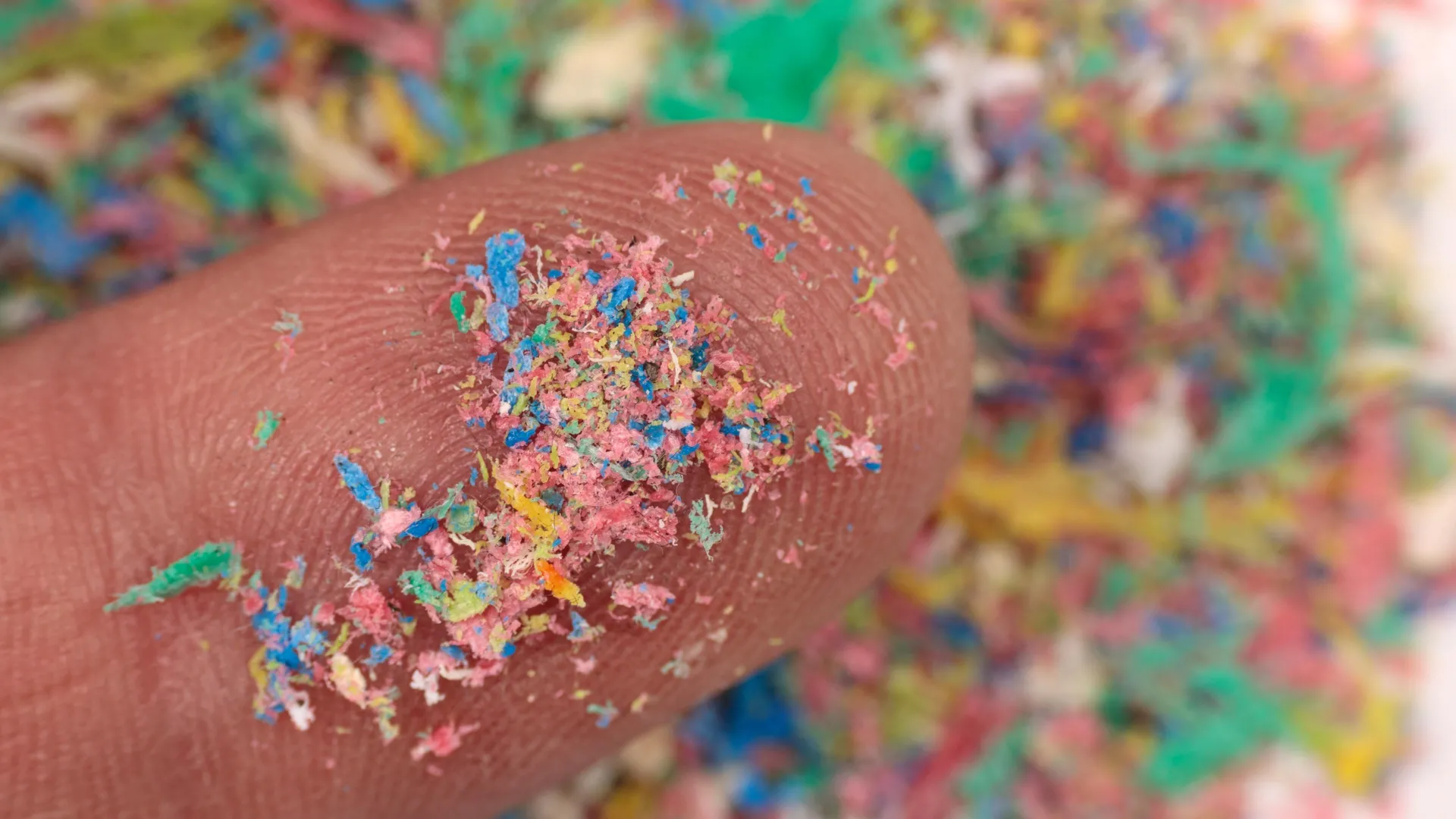
The proliferation of microplastics – minute plastic fragments typically less than five millimeters in length – represents an escalating global environmental and public health concern. These ubiquitous particles, stemming from the breakdown of larger plastic debris, industrial pellets, synthetic fibers, and microbeads, have been documented to exert detrimental effects on marine ecosystems, including physical harm to organisms, chemical leaching, and potential disruption of food webs. Beyond ecological impacts, a growing body of research is exploring the potential ramifications for human health through the consumption of contaminated seafood, though the full extent of these risks remains an active area of scientific inquiry.
Despite their perceived remoteness, Pacific Island Countries and Territories (PICTs) are increasingly vulnerable to plastic pollution. Paradoxically, their isolation does not confer immunity; instead, these nations often confront a unique confluence of factors that exacerbate exposure. Rapid urbanization, often occurring without commensurate development in waste and water management infrastructure, contributes significantly to localized plastic leakage into coastal waters. Furthermore, the inherent logistical challenges of waste collection, recycling, and disposal in small island states, compounded by limited land availability and financial resources, create an environment ripe for the accumulation of plastic debris. For many coastal communities across the PICTs, fish constitute a fundamental pillar of existence, providing essential protein, economic livelihoods through artisanal and commercial fishing, and serving as an integral component of cultural heritage and traditional practices. The implications of microplastic contamination in these critical food sources therefore extend beyond mere environmental degradation, impinging directly on food security, public health, and cultural continuity. Historically, scientific investigations into microplastic prevalence within commonly consumed fish species across the PICTs have been comparatively sparse, leaving a significant knowledge gap.
Comprehensive Assessment Across Four Island Nations
To address this critical deficit in regional data, a collaborative team of scientists embarked on a comprehensive analysis, meticulously examining data pertaining to 878 coastal fish specimens, representing 138 distinct species. These samples were meticulously sourced from fishing communities spanning Fiji, Tonga, Tuvalu, and Vanuatu, reflecting the diverse marine biodiversity and fishing practices across these nations. The analytical framework leveraged existing published records from the Global Information Biodiversity Facility, allowing for a broad-scale comparative assessment of microplastic incidence.
The overarching findings revealed that approximately one in every three fish sampled contained at least one microplastic particle. However, this regional average masked significant disparities in contamination levels observed across the individual island nations. Fiji emerged as a particular hotspot, exhibiting the highest rates of contamination, with nearly 75% of the sampled fish containing microplastics. This figure markedly surpasses the global average reported for microplastic presence in fish, which stands at approximately 49%. While the prevalence of microplastics in Fijian fish was exceptionally high, the actual quantity of plastic particles found within any single individual fish was generally low. In stark contrast, Vanuatu demonstrated considerably lower levels of contamination, with only about 5% of its sampled fish exhibiting evidence of microplastic ingestion.
Further analysis identified two specific species, the thumbprint emperor (scientific name: Lethrinus harak) and the dash-and-dot goatfish (Parupeneus barberinus), as being consistently present in catches across all four countries. Intriguingly, both of these species displayed substantially higher microplastic contamination levels when sampled in Fiji compared to their counterparts in Tonga, Tuvalu, and Vanuatu, suggesting localized environmental factors or feeding dynamics were at play.
Ecological Traits as Predictors of Plastic Exposure
The research team extended their inquiry to explore the underlying ecological mechanisms that might render certain fish species more susceptible to microplastic ingestion. By integrating data from a global database detailing fish species’ characteristics, they systematically analyzed how various ecological traits, including dietary preferences, foraging behaviors, and preferred habitats, influenced observed contamination rates.
The analysis revealed distinct patterns. Fish species primarily associated with coral reefs and those that inhabit or forage along the seafloor exhibited a significantly higher likelihood of containing microplastics compared to species found predominantly in lagoons, open coastal waters, or the pelagic zone of the open ocean. This suggests that the benthic environment and reef structures act as significant repositories for microplastic particles. Furthermore, species whose diets largely consist of invertebrates, those that employ bottom-foraging strategies, or those that utilize ambush tactics to capture prey, also demonstrated elevated rates of contamination. These feeding behaviors inherently increase the probability of encountering and ingesting microplastic particles that have settled in sediments or are present within their prey items.
Profound Implications for Pacific Communities and Global Policy
These findings unequivocally underscore the pervasive nature of microplastic pollution, demonstrating its infiltration into even some of the most remote and pristine marine environments on Earth. The researchers postulate that Fiji’s comparatively elevated contamination levels may be attributable to a combination of factors: higher population density, extensive coastal development, and potentially less robust or effective waste management systems when compared to its less populated island neighbors. A critical insight from this study is the identification of specific ecological traits that predispose certain species to microplastic exposure. This understanding is invaluable for policymakers, enabling them to pinpoint particularly vulnerable ecosystems and, by extension, the human communities most at risk due to their reliance on these species.
Jasha Dehm, a lead author on the study, emphasized the consistency of these ecological patterns: "The consistent pattern of high contamination in reef-associated species across borders confirms ecological traits as key exposure predictors, while national disparities highlight the failure of current waste management systems, or lack thereof, to protect even remote island ecosystems." This statement highlights both the intrinsic biological susceptibility of certain species and the anthropogenic influence of inadequate waste infrastructure.
Dr. Amanda Ford further contextualized the findings within the broader socio-economic landscape of the Pacific. She noted, "While microplastic levels in Pacific fish are generally lower than in many industrialized regions, Pacific communities rely far more heavily on fish as a primary protein source. Combined with major data gaps across the region, this makes locally generated evidence essential as Global Plastics Treaty negotiations advance and are translated into national policies." This emphasizes the disproportionate impact of even moderate contamination levels on communities whose food security is intimately tied to marine resources, and the urgent need for region-specific data to inform international policy.
Dr. Rufino Varea articulated the stark warnings embedded within the research, extending beyond mere ecological observations. He stated, "Beyond the ecological insights, this study delivers a stark warning about the vulnerability of our food systems: we found that the reef-associated and bottom-feeding fish most accessible to our subsistence fishers are acting as reservoirs for synthetic pollution, particularly in Fiji, where nearly three-quarters of sampled individuals contained microplastics." He further highlighted a critical observation regarding the composition of the plastic pollution: "The dominance of fibers in these samples challenges the assumption that marine litter is solely a visible, coastal management issue; it indicates a pervasive infiltration of textile and gear-derived contaminants into the very diet of our communities." The prevalence of fibers points towards sources such as synthetic clothing, fishing nets, and ropes, suggesting a diffuse and ubiquitous form of pollution that is difficult to manage through traditional coastal cleanup efforts alone.
Dr. Varea concluded with a powerful call to action regarding global policy: "This data shatters the illusion that our remoteness offers protection and provides the evidentiary basis we need to reject downstream solutions – such as recycling schemes – as insufficient. Instead, it compels us to demand a Global Plastics Treaty that enforces strict caps on primary plastic production and toxic additives, as this is the only viable way to safeguard the health and food security of Pacific peoples." This statement underscores a growing consensus among scientists and policymakers that addressing the plastic crisis requires fundamental changes at the production stage, rather than solely relying on end-of-pipe solutions.
Future Outlook and Policy Imperatives
The findings presented in this study carry profound implications for environmental governance, food security, and public health across the Pacific and globally. The notion that remote oceanic regions offer sanctuaries from anthropogenic pollution is increasingly untenable. The persistent presence of microplastics in the diet of essential marine species necessitates a re-evaluation of current waste management paradigms and a heightened focus on upstream interventions.
For PICTs, the immediate imperative involves strengthening local waste management infrastructure, investing in sustainable alternatives to single-use plastics, and fostering public awareness campaigns. Recognizing the unique challenges faced by island nations, international cooperation and financial support are crucial for developing context-specific solutions that are both effective and culturally appropriate. Furthermore, integrating traditional ecological knowledge, which often embodies centuries of sustainable resource management practices, into modern conservation strategies can offer valuable pathways to resilience.
At the global level, this research provides compelling evidence to inform the ongoing negotiations for a legally binding Global Plastics Treaty. The call for strict caps on primary plastic production and the regulation of toxic additives resonates with the scientific understanding that the sheer volume and chemical complexity of plastics entering the environment overwhelm current management capacities. Downstream interventions, such as recycling, while important, are increasingly recognized as insufficient to stem the tide of plastic pollution given the scale of global production. The treaty must establish ambitious, binding targets that address the entire lifecycle of plastics, from raw material extraction to end-of-life management, prioritizing reduction, reuse, and safe material design.
Continued scientific research, including long-term monitoring of microplastic levels in marine organisms and environments, detailed investigations into the chemical composition and associated toxicities of ingested plastics, and comprehensive assessments of human exposure and health impacts, remains essential. Such data will provide the robust evidence base needed to guide policy decisions, inform risk assessments, and ultimately protect the health of both marine ecosystems and the human communities that depend upon them. The future health and food security of Pacific peoples, and indeed global marine biodiversity, hinges on decisive and comprehensive action to curb plastic pollution at its source.



 Lisa Mariana
 Aura Kasih