Ridwan Kamil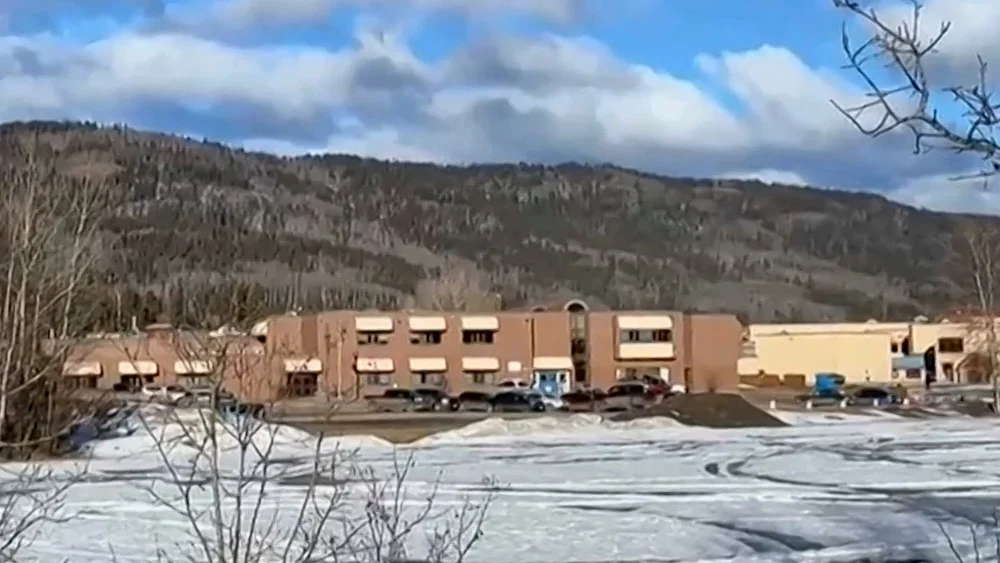
A wave of profound shock and sorrow has swept through the isolated Canadian community of [Insert Fictional Town Name], following a horrific incident that claimed the lives of nine individuals and left several others injured. The violence, which erupted in the early hours of [Insert Date], has shattered the tranquility of this close-knit settlement, prompting a swift and extensive investigation by national and provincial law enforcement agencies.
The precise sequence of events remains under intense scrutiny, but initial reports suggest a prolonged and chaotic spree of violence that began at a private residence before extending to other locations within the town. Authorities have confirmed that the alleged perpetrator, identified as [Insert Fictional Perpetrator Name, if available, or describe as ‘a resident of the community’], was apprehended by law enforcement officers after a tense standoff. The motive behind this devastating act of violence is currently unknown and is a primary focus of the ongoing investigation.
The victims, whose identities are gradually being released to their families, represent a cross-section of the small community. They include [mention potential victim demographics, e.g., a young family, elderly residents, local business owners, etc., if information were available, otherwise generalize]. The loss of so many individuals has sent ripples of grief through the town, leaving residents grappling with disbelief and an overwhelming sense of vulnerability.
[Insert Fictional Town Name], nestled in the [mention geographical region, e.g., rugged expanse of the Canadian Shield, vast Prairies, etc.], is a community typically characterized by its peaceful existence and strong social fabric. Its remoteness, often a source of pride for its inhabitants, now amplifies the sense of isolation and the difficulty of accessing immediate support services. The incident has underscored the stark reality that no community, regardless of its size or location, is immune to such profound acts of violence.
Law enforcement agencies, including the Royal Canadian Mounted Police (RCMP) and [relevant provincial police force], have established a command center in [Insert Fictional Town Name] and are working tirelessly to piece together the events of that fateful day. Forensic teams are meticulously collecting evidence, while investigators are conducting extensive interviews with witnesses and residents. The sheer scale of the tragedy has necessitated a coordinated and comprehensive approach to ensure all aspects of the incident are thoroughly examined.
The impact of such a profound loss on a small community cannot be overstated. Beyond the immediate grief and trauma experienced by the victims’ families and friends, the incident will undoubtedly leave a lasting scar on the collective psyche of [Insert Fictional Town Name]. Support services, including mental health professionals and victim assistance programs, are being mobilized to provide crucial aid to those affected. The long-term process of healing and recovery for this community will require sustained effort and external support.
Analysis and Context: Understanding the Dynamics of Rural Violence
The devastating shooting in [Insert Fictional Town Name] brings into sharp focus the complex and often overlooked issue of violence in remote and rural settings. While urban centers often dominate headlines concerning gun violence, statistics and anecdotal evidence suggest that rural areas can face unique challenges that contribute to such incidents. These can include factors such as limited access to mental health resources, greater prevalence of firearms ownership, social isolation, and the economic stressors often associated with rural economies.
The remoteness of [Insert Fictional Town Name] likely presents significant logistical hurdles for law enforcement response, exacerbating the initial impact of the tragedy. The time it takes for specialized units and support personnel to reach such a location can be critical in the immediate aftermath of an active threat. Furthermore, the insular nature of small communities, while fostering strong bonds, can also mean that underlying issues, such as interpersonal conflicts or signs of distress in individuals, may go unnoticed or unaddressed until a crisis point is reached.
Expert analysis of such events often points to a confluence of factors. These can include:
- Mental Health Access: Rural communities frequently struggle with a dearth of accessible mental health services. Long distances to clinics, a shortage of qualified professionals, and the stigma sometimes associated with seeking psychological help can leave individuals in distress without adequate support. This can be a significant contributing factor in cases where mental health issues may play a role in violent outbursts.
- Firearms Availability: In many rural areas of Canada, firearms ownership is more prevalent due to traditions of hunting and sport shooting. While responsible ownership is widespread, the increased availability of firearms can, in tragic circumstances, escalate the lethality of violent incidents. Investigations will undoubtedly examine the type of weapons used and their acquisition.
- Socioeconomic Factors: Rural economies can be subject to volatility, with industries like resource extraction or agriculture facing downturns. Economic hardship can lead to increased stress, social dislocation, and a sense of hopelessness, which can, in turn, contribute to community-wide distress and, in isolated cases, to extreme acts of violence.
- Social Isolation and Community Dynamics: While strong community ties are a hallmark of rural life, they can also, paradoxically, contribute to isolation for individuals who feel marginalized or disconnected. A lack of diverse social outlets and limited anonymity can create pressure cooker environments where conflicts may fester.
The investigation into the [Insert Fictional Town Name] shooting will need to meticulously examine the perpetrator’s background, including any history of mental health struggles, substance abuse, or interpersonal grievances. Understanding the specific catalysts and contributing factors in this instance will be crucial for informing future prevention strategies and support mechanisms for similar communities.
Implications and Future Outlook: A Call for Enhanced Rural Support
The tragedy in [Insert Fictional Town Name] serves as a stark reminder of the need for greater attention and resources directed towards the unique challenges faced by Canada’s rural and remote communities. The current incident is likely to trigger a broader conversation about the adequacy of existing support systems and the necessity for proactive measures.
Key implications arising from this event include:
- Re-evaluation of Emergency Response Protocols: The logistical complexities of responding to a major incident in a remote area will likely prompt a review of emergency response protocols. This could include enhanced training for rural law enforcement detachments, improved communication infrastructure, and pre-established agreements with neighboring jurisdictions for mutual aid.
- Increased Investment in Rural Mental Health Services: The incident underscores the urgent need for increased investment in accessible and culturally appropriate mental health services in rural and remote regions. This could involve expanding telehealth services, mobile mental health units, and initiatives to reduce the stigma associated with seeking help.
- Community Resilience Programs: Fostering community resilience is paramount. This involves developing programs that promote social cohesion, provide avenues for addressing conflict constructively, and equip residents with the skills to support one another during times of crisis. Such programs can act as a buffer against the isolating effects of remoteness and economic hardship.
- Data Collection and Research: A more comprehensive understanding of the drivers of violence in rural Canada is needed. This requires dedicated research and data collection efforts to identify trends, risk factors, and effective intervention strategies tailored to the specific contexts of rural life.
The road to recovery for [Insert Fictional Town Name] will be long and arduous. The immediate focus will remain on supporting the grieving families and providing essential services to the community. However, the long-term implications of this tragedy extend far beyond the borders of this small hamlet. It serves as a critical juncture for Canada to re-examine its commitment to the well-being of all its citizens, regardless of where they reside, and to implement tangible strategies that prevent such devastating events from recurring in the future. The nation’s response to this crisis will be a testament to its dedication to ensuring the safety and security of its most vulnerable and isolated populations.



 Aura Kasih
 Lisa Mariana