Ridwan Kamil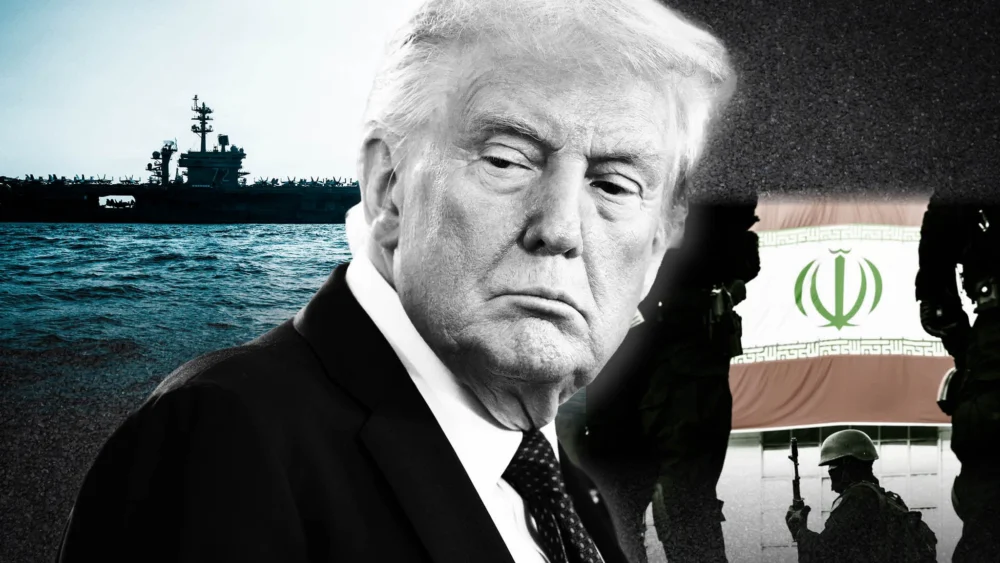
Former President Donald Trump, facing a complex geopolitical landscape, is reportedly contemplating a renewed confrontational stance towards Iran, a decision that could reignite a volatile regional crisis with potentially far-reaching global consequences. This potential policy pivot, framed by observers as a "crisis of his own making," emerges as a critical juncture, demanding a thorough examination of the historical context, strategic implications, and the broader ramifications of such an aggressive posture. The prospect of renewed military tension with Tehran raises significant questions about the efficacy of past policies, the potential for unintended escalation, and the impact on international diplomacy and economic stability.
The current contemplation of a more assertive approach toward Iran by Donald Trump is not an isolated event but rather a continuation of a foreign policy doctrine that characterized his previous term. During his presidency, Trump adopted a strategy of "maximum pressure," withdrawing the United States from the Joint Comprehensive Plan of Action (JCPOA), commonly known as the Iran nuclear deal, and imposing stringent economic sanctions. This policy was predicated on the belief that crippling Iran’s economy would force it to abandon its nuclear ambitions and cease its regional activities, including support for proxy groups. However, the effectiveness of this strategy remains a subject of intense debate. While Iran’s economy undeniably suffered, the country also accelerated its enrichment activities, bringing it closer to nuclear weapon capability than before the JCPOA’s implementation. Furthermore, the withdrawal from the deal alienated key international allies, undermining a united front against Iran’s destabilizing influence.
The reported renewed consideration of military options stems from a persistent concern within certain circles of the Trump campaign and among his allies regarding Iran’s ongoing nuclear program and its regional activities. Iran’s recent advancements in uranium enrichment, exceeding the limits set by the JCPOA, have been a significant point of contention. Proponents of a more aggressive stance argue that diplomatic avenues have been exhausted and that a credible threat of military force is necessary to deter further nuclear proliferation and to curb Iran’s ballistic missile program and its support for groups like Hezbollah, Hamas, and Houthi rebels, which are seen as destabilizing forces in the Middle East. They might point to instances of Iranian-backed attacks on shipping in the Persian Gulf or drone strikes on regional adversaries as evidence of Tehran’s continued belligerence that requires a forceful response.
However, the potential ramifications of a renewed military confrontation are profoundly concerning. A direct military conflict with Iran would be far from a contained event. Iran possesses a significant military, including a large missile force capable of striking targets across the region, and a network of well-armed proxy forces that could launch asymmetric attacks against U.S. interests and allies. Such a conflict could lead to widespread regional instability, potentially engulfing countries like Saudi Arabia, the United Arab Emirates, and even Israel in a larger conflagration. The economic consequences would also be severe, with a significant disruption to global oil supplies and a sharp increase in energy prices, impacting economies worldwide. Furthermore, a military conflict could further entrench hardline factions within Iran, potentially jeopardizing any future prospects for internal reform or a more moderate foreign policy.
The historical context of U.S.-Iran relations is crucial to understanding the current dynamics. Following the 1979 Islamic Revolution, relations between the two countries have been characterized by deep mistrust and intermittent hostility. The seizure of American hostages at the U.S. embassy in Tehran and the subsequent decades of diplomatic isolation have left a lasting legacy. While periods of de-escalation and dialogue have occurred, as exemplified by the negotiation of the JCPOA, underlying tensions have consistently resurfaced. The Trump administration’s "maximum pressure" campaign represented a significant departure from the engagement-oriented approach of the Obama administration, opting instead for a confrontational strategy aimed at isolating and punishing Iran. This shift, while resonating with certain domestic constituencies, generated considerable alarm among international partners who viewed the nuclear deal as a vital mechanism for preventing Iran from acquiring nuclear weapons.
Expert analysis suggests that a military option, while potentially offering a short-term solution to immediate threats, carries substantial long-term risks. The concept of deterrence, a cornerstone of international relations, relies on predictable responses and a clear understanding of red lines. In the context of Iran, the calculus of deterrence is complex, influenced by internal political dynamics, regional rivalries, and the willingness of non-state actors to engage in high-risk operations. A preemptive strike, while seemingly decisive, could provoke a disproportionate response, escalating the conflict beyond the control of the initial actors. Moreover, the intelligence assessments that would underpin such a decision are themselves subject to interpretation and potential biases, making the threshold for initiating military action a matter of grave concern.
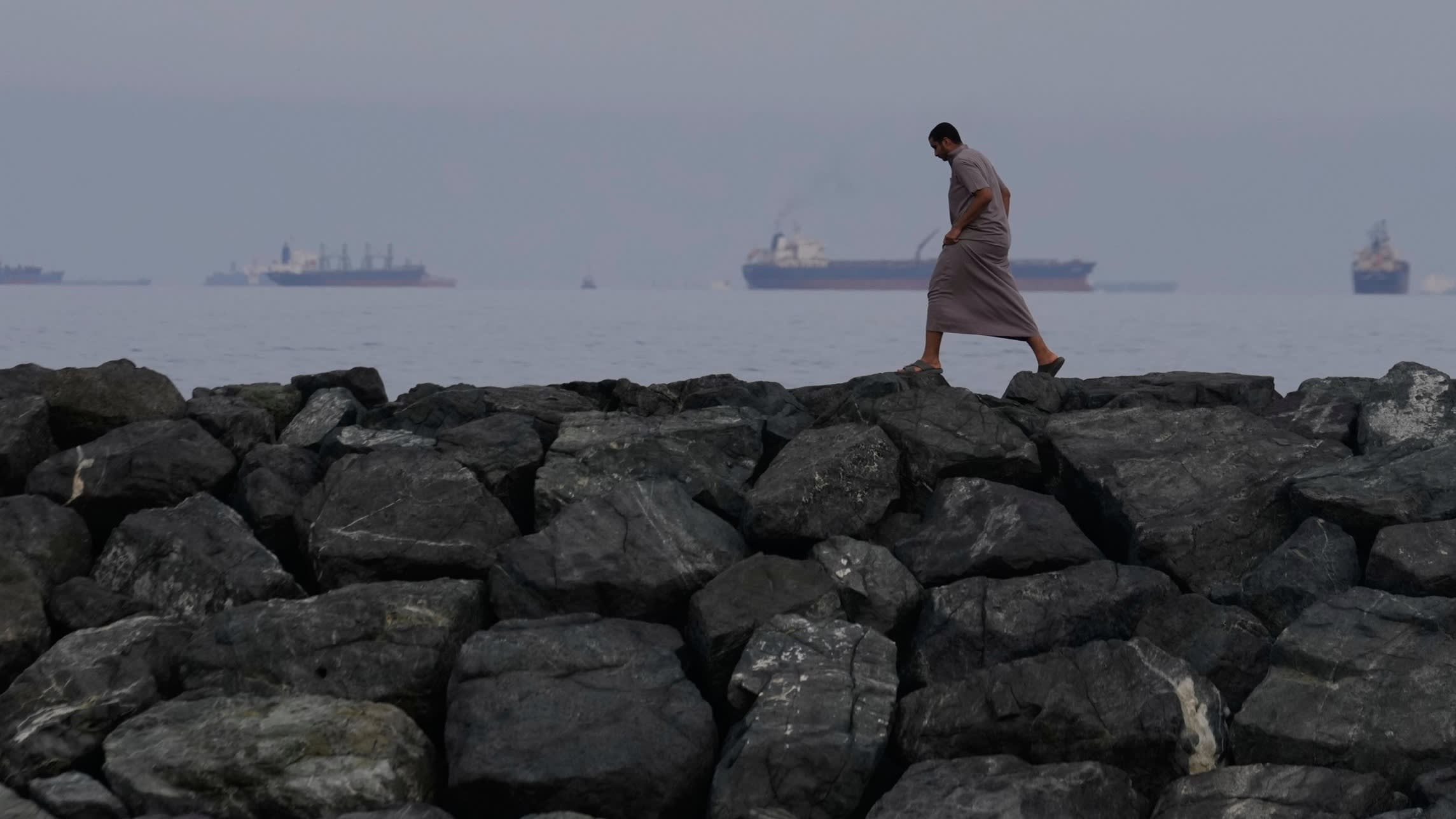
The economic implications of a potential conflict are also a critical consideration. Iran is a major oil producer, and any disruption to its exports, or to shipping lanes in the Persian Gulf, would inevitably lead to a surge in global oil prices. This could have a devastating impact on economies already grappling with inflation and supply chain disruptions. For countries heavily reliant on imported energy, such as many in Asia and Europe, the consequences could be particularly severe, potentially triggering economic recessions and widespread social unrest. The global financial markets, already sensitive to geopolitical instability, would likely react with significant volatility, impacting investment and economic growth worldwide.
From a diplomatic standpoint, a renewed U.S. military engagement with Iran would further strain international alliances. Many European allies, while sharing concerns about Iran’s nuclear program, have advocated for a return to diplomacy and a revitalization of the JCPOA. A unilateral U.S. military action would likely alienate these allies, undermining efforts to build a cohesive international response to regional challenges. It could also embolden other adversaries who might perceive a weakening of international resolve and a fracturing of Western unity. The absence of a unified diplomatic front would make it more difficult to address other pressing global issues, such as climate change, pandemics, and economic inequality.
The internal political dynamics within Iran also play a significant role in shaping the potential outcomes of such a confrontation. The Iranian regime, while facing internal dissent, has a demonstrated capacity to rally nationalist sentiment in the face of external threats. A military attack could serve to consolidate power for the hardliners, suppress internal opposition, and galvanize public support against a perceived foreign aggressor. This could, paradoxically, strengthen the very elements within Iran that are most resistant to change and most hostile to the West, making future diplomatic engagement even more challenging.
Looking ahead, the decision-making process regarding Iran will undoubtedly be fraught with complex considerations. The potential for a "crisis of his own making" underscores the delicate balance between asserting national interests and avoiding unintended escalation. Any policy that contemplates military action must be rigorously assessed for its potential consequences, not only in the immediate term but also in the long-term strategic landscape. The development of a comprehensive strategy that integrates diplomatic, economic, and, if absolutely necessary, military tools, while maintaining open channels of communication and fostering international cooperation, will be paramount. The absence of such a holistic approach risks plunging the region into a cycle of conflict with no clear end in sight, a scenario that would serve the interests of few and the detriment of many. The path forward requires a sober assessment of risks and a commitment to a strategic vision that prioritizes stability and de-escalation over impulsive confrontation.



 Lisa Mariana
 Aura Kasih