
 Aura Kasih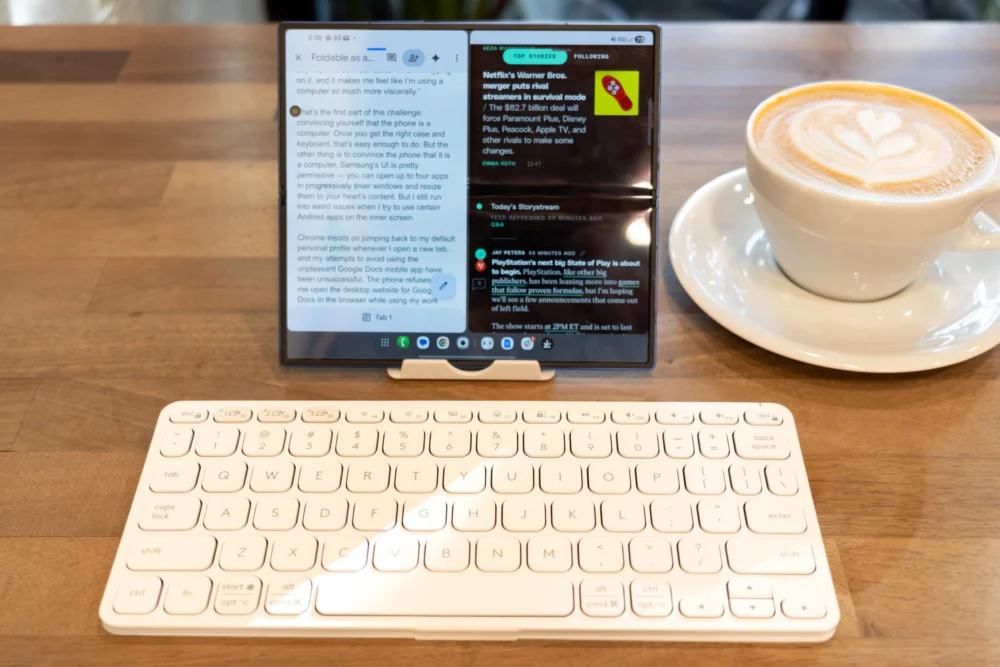
In an era where personal technology is increasingly miniaturized and integrated, the notion of carrying a dedicated laptop for mobile productivity is being challenged by the remarkable capabilities of advanced foldable smartphones. This shift, epitomized by devices like the Samsung Galaxy Z Fold 7, presents a compelling case for reimagining portable computing, moving beyond the traditional backpack-bound apparatus towards a more streamlined and adaptable ecosystem. The convergence of powerful mobile processors, sophisticated operating systems, and the inherent portability of smartphones is paving the way for a new paradigm in how and where work can be accomplished.
The evolution of the foldable smartphone has been a significant technological leap, transforming what was once a niche concept into a viable and increasingly mainstream computing platform. Devices such as the Samsung Galaxy Z Fold series, particularly the Z Fold 7, exemplify this transformation. These phones, when unfolded, reveal expansive, tablet-like displays that offer a canvas for productivity previously only achievable with larger devices. The inherent design of the Z Fold 7, characterized by its remarkably slim profile and reduced weight, dismantles the common perception of foldable phones as cumbersome or bulky. This design philosophy directly addresses the primary drawbacks of traditional laptops for mobile users: their significant weight and size, which often necessitate dedicated carrying cases or larger bags, thereby impeding spontaneous mobility.
The concept of "Purse Computer," a term coined to describe the synergy between a lightweight folding keyboard and a foldable smartphone, represents a deliberate strategy to minimize portable computing footprint. This approach is not entirely novel, as enthusiasts have long explored augmenting foldable devices into mobile workstations, and the broader tech landscape has seen attempts to achieve similar portability through devices like netbooks and tablet-keyboard combinations. However, the current iteration, driven by the sophisticated capabilities of devices like the Z Fold 7, offers a more refined and practical solution. The challenge for many professionals has been the inherent encumbrance of a laptop, even a lightweight one, when transitioning between work tasks and other daily errands. The ability to seamlessly integrate a powerful computing device into a standard bag or even a large pocket eliminates the logistical friction associated with transporting a separate laptop, thus fostering greater flexibility and spontaneity in work routines.
The critical component in realizing the "Purse Computer" concept lies in the selection of an appropriate portable keyboard. The ideal accessory must strike a delicate balance: compact and lightweight enough to be unobtrusive within a personal bag, yet substantial enough to provide a comfortable and efficient typing experience. Early explorations involved various folding keyboard models, each with its own set of compromises. Some proved too large, defeating the purpose of miniaturization, while others offered a less-than-satisfactory typing feel due to their small key size or instability. The Logitech Keys-to-Go 2 has emerged as a particularly compelling option in this space. Its ultra-thin and lightweight design makes it virtually unnoticeable when carried, and it features full-sized keys, a crucial element for sustained productivity. While it may lack integrated phone stands and USB-C charging found in some competitors, its exceptional portability and long battery life (estimated at three years of use on a single coin cell battery) make it a practical choice. The availability of separate phone stands further mitigates the absence of an integrated solution, allowing users to achieve an optimal ergonomic setup.
The effectiveness of the foldable phone as a computing device is significantly amplified by the concept of "Purse Computer," a designation popularized by tech evangelists like Michael Fisher of the Mr. Mobile YouTube channel. Fisher has been a proponent of the foldable-as-a-computer paradigm since the advent of earlier models, emphasizing the potential for these devices to replace traditional laptops for many users. His insights underscore the importance of a holistic approach, advocating for accessories that enhance the user experience. A key recommendation from Fisher is the integration of a kickstand case for the foldable phone. This accessory eliminates the need for a separate, often fiddly, phone stand, streamlining the setup process and reducing the number of components that can be misplaced. Samsung’s own accessory line for the Z Fold 7 includes such kickstand cases, offering a seamless integration solution for users.

The psychological aspect of adopting a foldable phone as a primary computing device is also significant. The physical keyboard serves as a tangible bridge, helping users transition their mindset from casual mobile use to a more focused work mode. Beyond the hardware, the software experience plays a crucial role. Samsung’s user interface is designed to be highly adaptable, allowing for multi-window multitasking with up to four applications displayed simultaneously and resizable to suit user preferences. However, the transition is not without its challenges. Certain Android applications can exhibit suboptimal behavior on the larger inner screen, presenting a fragmented or stretched interface. For instance, web browsers may default to personal profiles, and some productivity applications, like Google Docs, can resist opening their desktop versions within the browser, forcing users to contend with their mobile counterparts.
Workarounds are often necessary to fully leverage the capabilities of these devices. As observed with applications like Slack, users may need to employ browser-based versions rather than native apps to achieve a more desktop-like experience. This often involves a deliberate effort to "outsmart" the device’s default behavior, prompting users to open web versions through browser tabs instead of launching the dedicated application. The potential unification of ChromeOS and Android operating systems holds promise for future improvements in this area, potentially offering more seamless integration and enhanced tablet functionality within foldable devices. However, such advancements may take considerable time to materialize.
The successful adoption of the "Purse Computer" approach requires a specific user disposition characterized by patience and a willingness to adapt. The act of configuring applications and optimizing workflows to suit the foldable form factor is an integral part of the experience. This dedication to fine-tuning the mobile computing environment is not for everyone, and the curious glances from onlookers in public spaces are a testament to the unconventional nature of this setup. Furthermore, practical limitations, such as battery life, remain a consideration. While foldable phones offer substantial power, they generally cannot match the all-day endurance of a dedicated laptop. This necessitates a strategic approach to usage, often limiting intensive work sessions to a few hours before requiring a recharge.
Despite these limitations, the inherent benefit of the "Purse Computer" lies in its ability to overcome the inertia associated with traditional laptop portability. The friction of packing a separate laptop and its accessories can be a significant deterrent to working outside the home. By integrating a foldable phone and a compact keyboard into an existing carry-all solution, the barrier to entry for mobile work is drastically lowered. This allows individuals to be more productive and engaged with the world around them, facilitating spontaneous work sessions in cafes, parks, or co-working spaces without the logistical burden of a conventional laptop.
The utility of this approach is best understood through direct experience. As the technology matures and software experiences improve, the reliance on traditional laptops for many mobile tasks is likely to diminish. The ongoing development of foldable devices, such as the anticipated Galaxy Z Trifold, promises further enhancements to the mobile computing experience. These advancements will undoubtedly offer even greater opportunities to leave the laptop behind, solidifying the foldable phone’s position as a legitimate and increasingly indispensable tool for the modern, mobile professional. The journey towards a truly seamless and integrated mobile computing experience is ongoing, with foldable phones leading the charge in redefining the boundaries of portability and productivity.



 Ridwan Kamil

 Lisa Mariana
 Ayu Aulia