Ridwan Kamil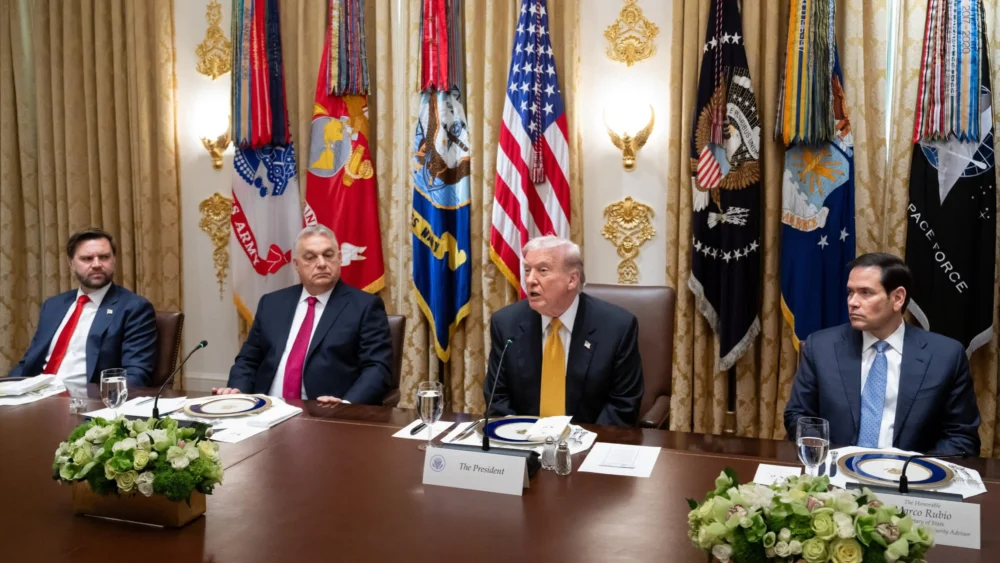
A burgeoning alignment between the American MAGA movement and the ascendant hard-right factions across Europe presents a complex geopolitical landscape, one that carries significant risks and potential long-term repercussions for the United States and its traditional alliances.
The echoes of nationalist populism reverberating across the Atlantic are increasingly manifesting in a discernible ideological convergence. Figures associated with the MAGA movement, the political ideology centered around the "Make America Great Again" slogan, have found common ground with a growing number of European political parties that champion a hard-right agenda. This convergence is not merely a matter of shared rhetoric; it represents a deepening strategic and ideological entanglement with profound implications for the future of democratic governance, international cooperation, and the established global order. The embrace of these European counterparts by segments of the American conservative movement, while seemingly a natural ideological kinship, risks alienating traditional allies, undermining democratic norms, and ultimately isolating the United States on the world stage.
At the heart of this transatlantic alignment lies a shared skepticism towards established international institutions, a fervent embrace of national sovereignty, and a critique of liberal democratic norms. European hard-right parties, such as those in France, Italy, Hungary, and Germany, have been steadily gaining electoral traction by capitalizing on anxieties surrounding immigration, globalization, and perceived cultural erosion. Their platforms often feature stringent border controls, a protectionist approach to trade, and a defense of traditional social values, all of which resonate with a significant segment of the MAGA base in the United States.
This ideological resonance is not accidental; it is actively cultivated. Leaders and influencers within the MAGA sphere have publicly lauded and engaged with prominent European far-right figures, seeing in them allies who share a similar vision for their respective nations. This engagement goes beyond symbolic gestures, often involving strategic coordination on policy proposals and a coordinated effort to shape public discourse. The shared narrative often posits a globalist elite undermining national identity and traditional values, a narrative that finds fertile ground in both American and European contexts.
The implications of this burgeoning alliance are multifaceted and potentially destabilizing. Firstly, it risks exacerbating existing fissures within the transatlantic alliance, a cornerstone of post-World War II global stability. The United States has historically championed democratic values and multilateral cooperation, often acting as a bulwark against authoritarianism. By aligning with political forces in Europe that often exhibit authoritarian tendencies or express skepticism towards democratic institutions, the MAGA movement risks undermining this foundational role. This can lead to a weakening of NATO, a diminished capacity for collective action on global challenges such as climate change and pandemics, and a general erosion of the liberal international order.
Secondly, the embrace of Europe’s hard right could inadvertently legitimize and embolden movements that have historically been associated with xenophobia, anti-immigrant sentiment, and a disregard for minority rights. While proponents might argue that these European parties are simply advocating for national interests, critics point to instances where their rhetoric and policies have demonstrably harmed marginalized communities and undermined democratic checks and balances. For a nation that has historically positioned itself as a beacon of democracy and human rights, such an association carries significant reputational costs.
Furthermore, this alignment could lead to a recalibration of America’s foreign policy priorities, potentially shifting away from established alliances towards more transactional relationships based on shared nationalist sentiments. This could result in a less predictable and more volatile international environment, as the emphasis shifts from collective security and shared values to a more unilateral and self-interested approach. The erosion of trust among traditional allies could create opportunities for adversaries to exploit divisions and advance their own geopolitical agendas.
The economic implications are also noteworthy. A move towards more protectionist trade policies, advocated by both the MAGA movement and many European hard-right parties, could lead to trade wars, disrupt global supply chains, and ultimately harm consumers and businesses on both sides of the Atlantic. The dismantling of existing trade agreements and the imposition of tariffs, while potentially appealing to a nationalist base, can have detrimental long-term economic consequences.
From a domestic perspective within the United States, the embrace of these European ideologies could further polarize the political landscape. It could reinforce narratives of an existential struggle against a perceived "globalist" threat, potentially leading to a further entrenchment of partisan divides and an erosion of the willingness to engage in constructive dialogue and compromise. This could hinder the ability of the United States to address pressing domestic challenges effectively.
Looking ahead, the trajectory of this transatlantic alignment will depend on several factors. The continued electoral success of hard-right parties in Europe will undoubtedly influence the degree of engagement and perceived legitimacy. The internal dynamics of the MAGA movement and its ability to maintain its influence within the Republican party will also play a crucial role. Moreover, the responses of traditional allies and the broader international community to this evolving landscape will shape the long-term consequences.
There is a significant risk that the perceived short-term gains of forging ideological kinship with these European movements will be overshadowed by the long-term costs. The erosion of democratic norms, the weakening of alliances, and the potential for increased global instability are not abstract concerns; they are tangible threats to the principles and prosperity that have underpinned the post-war international order. For the MAGA movement, a deeper entanglement with Europe’s hard right represents a gamble with the future of American influence and its standing in the world. The question remains whether the allure of shared nationalist fervor will ultimately prove to be a Pyrrhic victory, leaving its adherents and the broader international community in a more precarious position. The historical precedent of nationalism’s corrosive effects on international cooperation and democratic stability serves as a stark warning against such an embrace.




 Aura Kasih
 Lisa Mariana
 Ayu Aulia