Lisa Mariana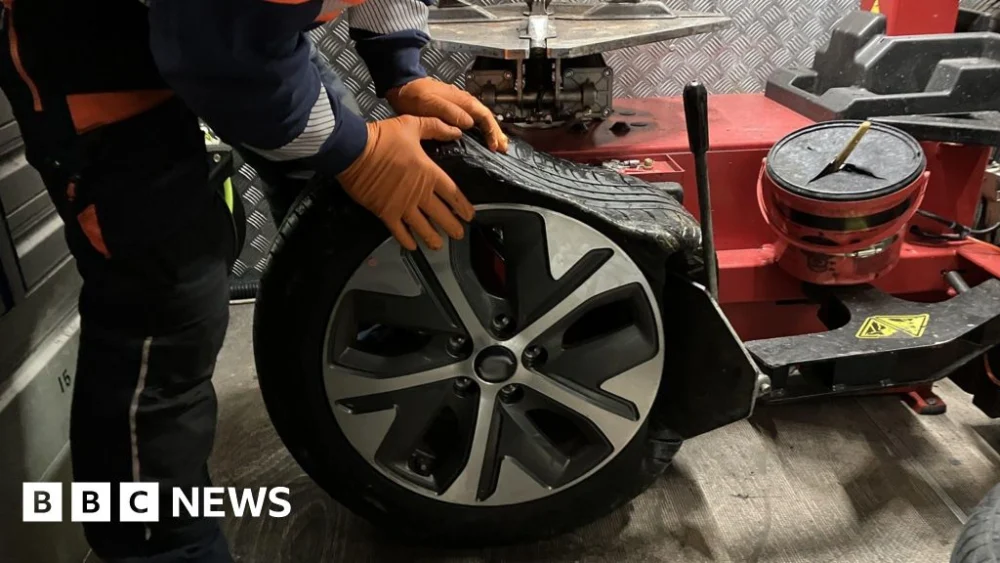
The alarming increase in roadside assistance requests related to deteriorating road conditions signals a deepening infrastructure challenge, impacting driver safety and incurring substantial economic costs across the nation.
Recent data paints a stark picture of the escalating problem, with one prominent automotive services provider reporting a near 18% surge in pothole-related call-outs this January compared to the previous year, from 58,380 to 68,785 incidents. This spike, representing thousands of additional breakdowns and damaged vehicles, underscores a growing systemic vulnerability in the national road network. The pervasive nature of this issue is further highlighted by reports from other recovery organizations, which observed a 15% rise in similar incidents over the preceding year, indicating a consistent trend of worsening road quality. The financial burden on motorists is significant, with the average repair cost for serious pothole damage estimated at £320, a figure that only hints at the broader economic ripple effects of a compromised transport infrastructure.
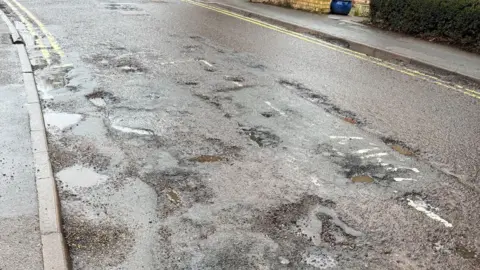
The immediate impact of these deteriorating conditions is acutely felt by road users. Incidents involving multiple vehicles sustaining simultaneous damage from a single, large pothole are becoming increasingly common, illustrating the sudden and unavoidable hazards present on many routes. One recent account from a motorist on a well-trafficked country road vividly describes how a single, unavoidable cavity in the asphalt led to four vehicles, including their own, suffering immediate tyre failure. Such occurrences not only result in direct financial loss for drivers but also pose considerable safety risks, as motorists are often forced to swerve abruptly to avoid impact, potentially endangering themselves, other road users, and vulnerable cyclists or pedestrians.
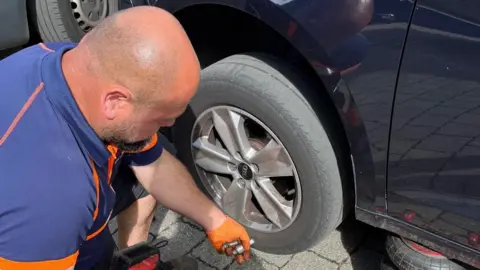
Automotive service professionals on the frontline are witnessing this crisis firsthand. George Mircas, a mobile tyre technician operating in Hertfordshire, describes the current state of roads as "absolutely crazy," noting that the prevalence and severity of potholes have reached unprecedented levels in his four years of experience. He recounts a particularly dangerous incident on a major motorway, where a single substantial pothole rendered eight cars inoperable due to damaged tyres. This sentiment is echoed by many drivers, like Mark Slack from Cambridgeshire, who faced the frustration and expense of hitting the same hazardous pothole twice, incurring £700 in damages. Such experiences erode public confidence in local authorities’ ability to maintain essential infrastructure.
The escalating pothole crisis is not a singular phenomenon but rather the confluence of complex environmental, engineering, and financial factors. Understanding these underlying causes is crucial for developing sustainable solutions.
The Environmental Onslaught: Water and the Freeze-Thaw Cycle
At the heart of pothole formation lies a relentless environmental process, primarily the interaction of water with the road surface. As Nick Thom, an assistant professor of engineering at Nottingham University, explains, "Water’s the enemy, but it becomes a worse enemy when it freezes." Roads, over time, develop microscopic cracks due to the constant stress of traffic and environmental exposure. These fissures act as conduits, allowing water to infiltrate the underlying layers of the asphalt.
When temperatures drop below freezing, this trapped water expands, exerting immense pressure on the surrounding road material. This expansion widens the existing cracks, weakening the structural integrity of the pavement. As temperatures rise, the ice thaws, leaving behind larger voids. This cyclical "freeze-thaw" action, repeated numerous times throughout a typical winter, progressively degrades the road surface. Once a significant void is created, the constant impact of vehicle tyres dislodges loose material, eventually forming a visible pothole. Furthermore, prolonged periods of wet weather contribute to the problem by elevating the water table within the road’s substructure. When saturated, the aggregate materials beneath the asphalt lose their inherent strength and stiffness, making the entire road structure more susceptible to deformation and collapse under load. Recent winters, characterized by increased rainfall and fluctuating temperatures, have undoubtedly intensified this destructive cycle.
The Engineering Vulnerability: Design, Materials, and Heavy Loads
Beyond climatic factors, the structural design and material composition of roads play a critical role in their susceptibility to damage. Professor David Cebon, an expert in mechanical engineering at Cambridge University, highlights the disproportionate impact of heavy vehicles on road integrity. He states that while a car tyre might exert 300-500kg of force, each tyre of a heavy truck can carry up to five tonnes. This translates to a thousand-fold increase in damage potential from a heavy truck compared to a passenger car.
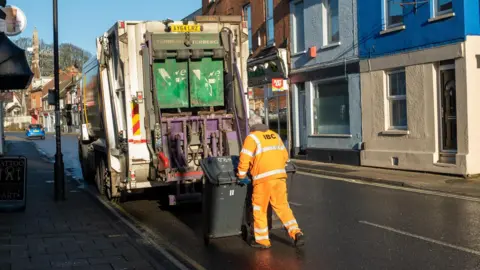
Potholes predominantly manifest on "thin, lightweight roads," such as B-roads and urban streets, which are often not engineered to withstand the repeated stress from substantial axle loads. These roads, typically constructed with shallower foundations and less robust asphalt layers than major motorways, are particularly vulnerable to the intense pressures exerted by commercial vehicles. Buses, refuse collection vehicles, and urban delivery trucks, with their heavy weights and frequent stops and starts, are identified as primary culprits in the accelerated degradation of local road networks. While the overall volume and weight of traffic have increased over the past three decades, Professor Cebon emphasizes that it is the "very heavy axle loads of trucks" rather than general light vehicle traffic that constitutes the most significant threat to road longevity. The cumulative effect of an aging road network, often designed for lighter traffic volumes and different vehicle specifications, combined with current heavy transport demands, creates a recipe for accelerated deterioration.
Maintenance Deficiencies: The Cycle of Reactive Repairs
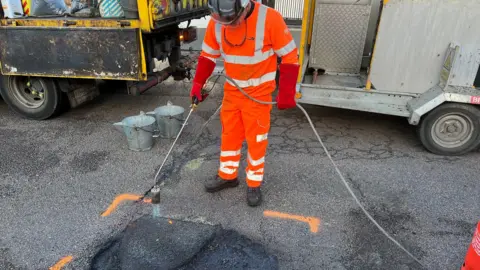
The current approach to road maintenance in many areas is often reactive rather than proactive, a strategy that ultimately proves more costly and less effective. Emergency pothole repairs, frequently conducted under adverse weather conditions, are typically temporary fixes. As Nick Thom explains, these repairs often utilize "cold-mix asphalt," a material suitable for cold or wet applications but designed to last only two to three months. These are intended as stop-gap measures until more durable "hot-mix asphalt" repairs can be scheduled in warmer, drier conditions, typically in spring.
However, the efficacy of even these temporary repairs is compromised by ongoing wet weather, leading to their premature failure. The reliance on such short-term solutions perpetuates a cycle of recurring damage, as temporary patches quickly break down, requiring further intervention. The sheer diversity of repair methods employed by local authorities—with one study by the Pothole Partnership identifying 78 different techniques—suggests a lack of standardized best practices, potentially contributing to inconsistent repair quality and longevity. Experts advocate for a shift towards comprehensive resurfacing and preventative treatments like surface dressing, which seal the road surface and extend its lifespan, thereby delaying the onset of more severe damage. The RAC has commendably urged the government to mandate such techniques, recognizing their long-term value in maintaining road integrity.
The Funding Conundrum: Historic Underinvestment and Budgetary Constraints
Ultimately, the pervasive pothole crisis is deeply rooted in a chronic lack of adequate funding and strategic investment in road infrastructure. Local authorities, responsible for the vast majority of the road network where potholes are most prevalent, have faced significant budgetary constraints, particularly since the 2008 financial crisis. This has led to a substantial reduction in preventative maintenance, a decision with severe long-term consequences. As Professor Cebon states, "The problem is, if you don’t do preventative maintenance, then things get worse quickly."
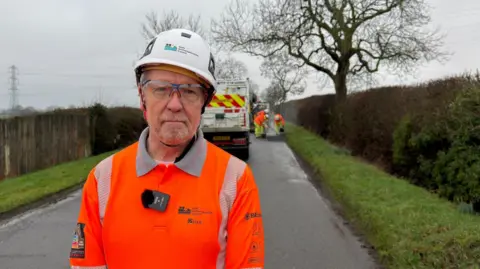
The disparity between required investment and available resources is stark. Councillor Chris McGiffen, representing Highways for North Northamptonshire Reform, articulates this frustration, describing the task of keeping roads in repair as "an impossible task." He notes that for every ten potholes repaired, another eight emerge, indicating that current efforts are merely stemming a rapidly rising tide. His council, for instance, requires an estimated £200 million to adequately address its road network but has only £11 million allocated for the current year. This immense funding gap is representative of a nationwide challenge.
The Department for Transport acknowledges the "historic under-investment" that has hampered authorities’ ability to maintain roads effectively. While the government has pledged significant funding, such as the £1.2 billion allocated to councils in the East of England over four years, questions remain about the sufficiency of these funds to tackle a problem of this magnitude. Furthermore, the effectiveness of such investment hinges on its strategic deployment, prioritizing long-term preventative measures over continuous reactive patching.
Towards a Resilient Road Network: A Call for Integrated Strategy
The escalating pothole crisis is more than an inconvenience; it is a critical infrastructure failure with profound implications for public safety, economic efficiency, and environmental sustainability. Addressing this multifaceted challenge requires a comprehensive and integrated strategy that transcends short-term fixes.
This strategy must encompass:
- Sustained and Adequate Funding: A long-term commitment to significant capital investment in road maintenance, moving beyond annual budgetary allocations to multi-year, strategic funding models that enable proactive planning and execution.
- Prioritization of Preventative Maintenance: Shifting from a reactive "fill-and-forget" approach to one that emphasizes regular resurfacing, surface dressing, and robust drainage improvements to prevent potholes from forming.
- Enhanced Engineering Standards: Reviewing and updating road design and construction standards, particularly for local roads, to ensure they can withstand current and projected traffic loads and environmental stresses.
- Technological Innovation: Exploring and implementing advanced technologies for road monitoring, such as AI-powered sensors and drones for early detection of damage, and innovative materials or robotic systems for more efficient and durable repairs.
- Inter-Agency Collaboration: Fostering stronger collaboration between central government, local authorities, and academic institutions to share best practices, research new solutions, and develop a unified national strategy for road infrastructure resilience.
Without a concerted and sustained effort, the nation risks further deterioration of its road network, leading to increased costs, greater safety hazards, and a significant impediment to economic activity. The spike in pothole-related call-outs serves as an urgent reminder that investing in infrastructure is not merely an expenditure but a vital investment in national well-being and future prosperity.




 Aura Kasih
 Ridwan Kamil