
 Aura Kasih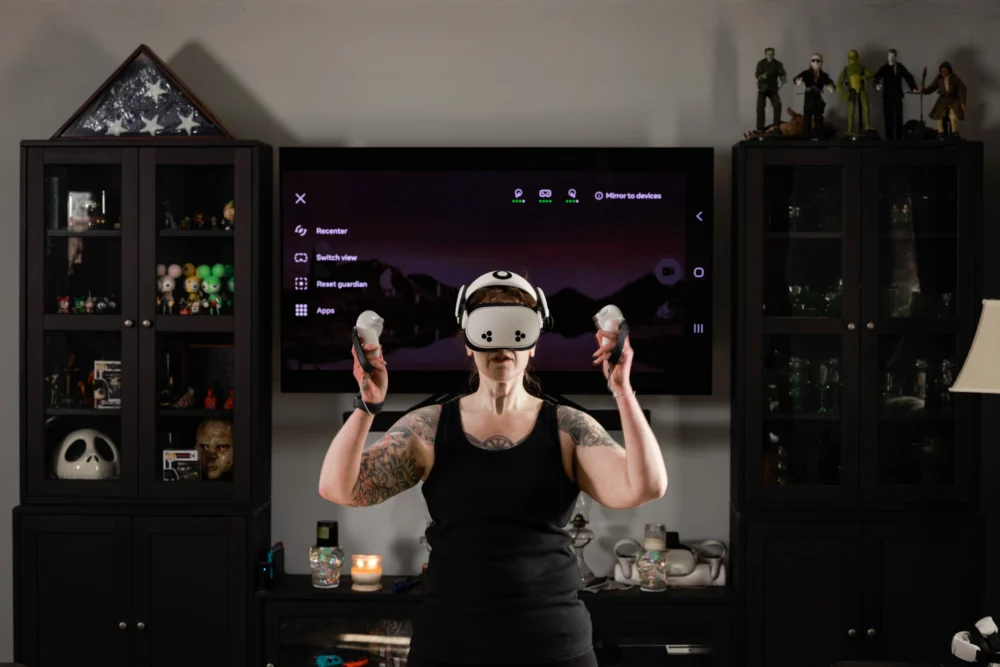
The abrupt cessation of content development for the virtual reality fitness application "Supernatural," a decision by Meta that has effectively halted new updates and features, has ignited a firestorm of protest from its dedicated user base. This move, stemming from broader restructuring within Meta’s Reality Labs division, has left thousands of individuals who relied on the platform for physical and mental well-being feeling abandoned and betrayed by a tech giant they once trusted.

For many, virtual reality fitness applications represent more than just a novel way to exercise; they are carefully cultivated ecosystems that foster community, offer accessible pathways to health, and provide a much-needed escape from the mundane. "Supernatural," a product of the acquisition of developer Within, carved out a unique niche by blending rhythmic gameplay with guided fitness routines, set against stunning virtual backdrops. Its appeal, however, transcended the typical demographics of VR enthusiasts, attracting a significant following among older adults, individuals with mobility challenges, and women seeking a supportive and engaging fitness solution. The decision to cease new content development, therefore, represents not merely the discontinuation of a product, but the potential dismantling of a vital social and health support network for a substantial segment of its user base.

The backlash against Meta’s decision has been swift and vocal, manifesting across social media platforms and online forums. A Change.org petition, urging Meta and CEO Mark Zuckerberg to reconsider, has garnered thousands of signatures, while dedicated Facebook groups, boasting over 100,000 members, are awash with expressions of shock, disappointment, and anger. This outpouring of emotion underscores the profound personal impact "Supernatural" has had on its users, many of whom have shared deeply personal stories of how the platform has aided them in their health journeys, from managing chronic conditions and recovering from injuries to combating depression and fostering social connections.

The demographic profile of "Supernatural’s" most dedicated users presents a stark contrast to the often-cited perception of VR as a domain primarily for young, male gamers. Instead, the app has become a lifeline for individuals who may find traditional fitness settings intimidating or inaccessible. Users frequently cite the platform’s ability to accommodate varying levels of mobility, including those who use wheelchairs or have limb differences, as a critical factor in its success. The customizable nature of the workouts, particularly the "Flow" sessions that involve squats, lunges, and arm movements in response to on-screen prompts, allows for a high degree of personalization, making it an inclusive environment for all fitness levels.

The narrative surrounding Meta’s acquisition of Within, and subsequently "Supernatural," is a complex one, interwoven with market competition and strategic ambitions. Reports suggest Meta’s interest in acquiring "Supernatural" was partly fueled by a desire to preempt competitors, notably Apple, from securing a foothold in the burgeoning VR fitness market. The Federal Trade Commission’s initial probe into the acquisition, aimed at preventing Meta from consolidating its dominance in VR gaming with its prior acquisition of "Beat Saber," ultimately failed to halt the transaction, which was completed in 2023. However, this regulatory scrutiny foreshadowed concerns about Meta’s monopolistic tendencies within the VR landscape.

For many long-time users, the perceived decline in the quality and innovation of "Supernatural" began post-acquisition. They point to a gradual reduction in new features, a decrease in direct engagement with the app’s charismatic coaches, and a general stagnation in content development, which they interpret as a sign of Meta’s waning commitment to the platform. This sentiment is echoed by early adopters who recall a more interactive and responsive development process under the original ownership, characterized by direct feedback channels and a stronger sense of community involvement. The subsequent layoffs of key personnel, including those responsible for user experience and community management, have further solidified these fears, signaling a clear shift in Meta’s priorities.

The emotional resonance of "Supernatural" extends beyond mere physical exertion; it has fostered genuine interpersonal connections. The app’s "Together" multiplayer feature has enabled users from disparate geographical locations to forge friendships and create supportive virtual teams. These bonds, often forged through shared effort and encouragement within the VR environment, have proven resilient, with users forming close-knit groups that extend beyond their virtual workouts. The profound impact of these connections is amplified by the fact that many users find it challenging to establish similar relationships in their offline lives, either due to age, health limitations, or social isolation.

The decision to discontinue content development for "Supernatural" has also cast a shadow over the livelihoods and emotional well-being of the app’s coaches. These individuals, who served as the public face and motivational force behind the platform, cultivated deep relationships with their followers. Their public expressions of gratitude and resilience following their layoffs have been met with an outpouring of support from the user community, highlighting the reciprocal nature of the bonds formed. The coaches’ continued engagement with their former users, offering encouragement and support, underscores the human element that Meta appears to have overlooked in its strategic reevaluation.

The broader implications of Meta’s actions extend to the nascent VR industry itself. The perceived abandonment of a successful and beloved application raises concerns about the long-term viability of VR content and the potential for corporate interests to override user needs. While Meta has heavily invested in the metaverse, its recent pivot towards artificial intelligence suggests a strategic recalibration that may leave many of its VR-centric ventures vulnerable. This has led to speculation about potential alternative futures for "Supernatural," including the possibility of an independent acquisition or a transition to a different platform that is more conducive to sustained community engagement and content creation.

For users like Sherry Dickson, a 69-year-old retired teacher who leads an online campaign to save the app, the fight for "Supernatural" is emblematic of a larger struggle against corporate indifference. Her activism, alongside that of countless other "Supernatural" athletes, highlights a growing demand for platforms that prioritize human connection and well-being over pure profit. The current situation underscores a critical juncture for Meta and the VR industry, where the success of innovative applications is increasingly dependent on the company’s ability to nurture and sustain the communities they cultivate. The future of "Supernatural" remains uncertain, but the unwavering dedication of its user base suggests that its legacy may yet endure, either through a renewed commitment from Meta or through the emergence of new champions for this unique digital sanctuary.


 Ridwan Kamil

 Lisa Mariana