Aura Kasih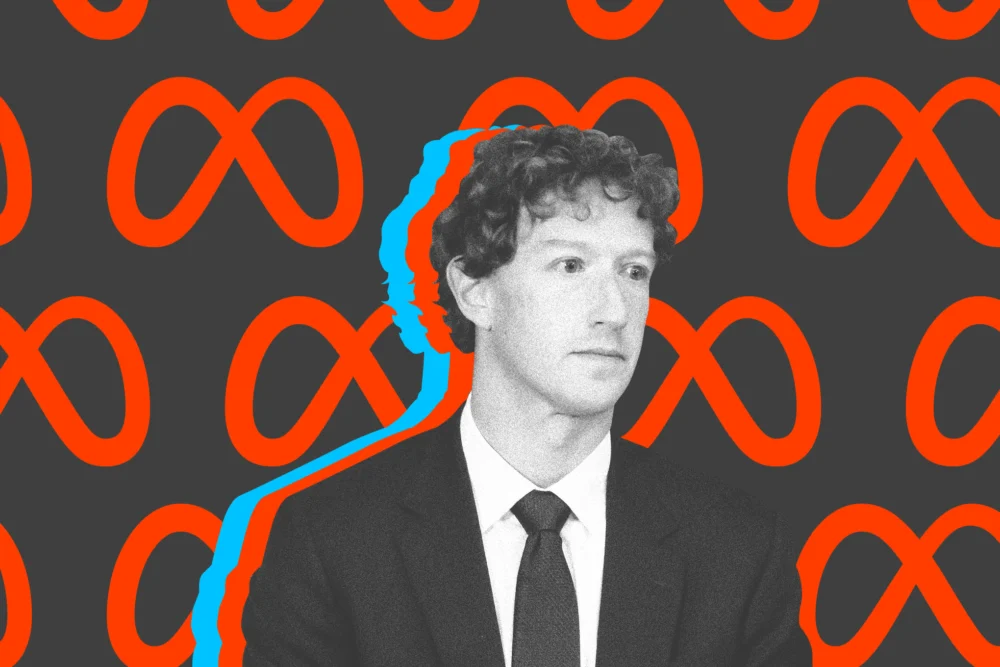
In a pivotal moment for the digital age, Meta CEO Mark Zuckerberg is set to take the witness stand in a Los Angeles courtroom, facing accusations that the very architecture of social media platforms like Instagram and YouTube is intrinsically linked to profound harm among young users. This bellwether trial, representing a wave of thousands of similar lawsuits, probes the intricate relationship between platform design, user engagement, and the devastating consequences that have unfolded for families across the nation.
The courtroom has become a focal point for a deeply personal and undeniably public reckoning. Lori Schott, a mother from Eastern Colorado, exemplifies the unwavering resolve of those seeking accountability. Her daughter, Annalee, died by suicide at the age of 18 in 2020, a tragedy Schott attributes, in part, to the relentless pressures of social media that amplified her daughter’s struggles with body image. Discovering journal entries after Annalee’s death, where her daughter expressed deep self-loathing and constant comparison to curated online personas, shattered Schott’s perception. "I was so worried about what my child was putting out online, I didn’t realize what she was receiving," Schott recounted, her words echoing the profound disconnect many parents experience in navigating the digital lives of their children.
This trial centers on the core contention that Meta and Google, through their ownership of platforms like Instagram and YouTube respectively, allegedly engineered their products to foster an addictive cycle of continuous scrolling and engagement. The companies have consistently denied these allegations, framing their platforms as tools for connection and expression. However, for parents like Schott, the courtroom is not merely a legal battleground but a stage for bearing witness to the human cost of these alleged design choices.
The preceding week saw testimony from Instagram CEO Adam Mosseri, who attempted to draw a distinction between clinical addiction and what he termed "problematic use." Mosseri asserted that the concept of "too much" social media is subjective, varying significantly from individual to individual, and even suggested that prolonged daily usage, up to 16 hours, might not necessarily constitute addiction. This nuanced approach to defining harmful engagement was met with skepticism by those directly impacted. Mosseri also addressed Meta’s decision to reinstate image filters that alter users’ appearances, a move that followed previous discussions about their potential negative mental health implications. He maintained that user protection and profitability are not mutually exclusive, arguing that safeguarding minors in the long term ultimately benefits the business.
The determination of parents to ensure their voices are heard has been palpable. Julianna Arnold, whose daughter Coco died of fentanyl poisoning at 17 after allegedly connecting with a dealer on Instagram, described camping out overnight in the rain alongside other "survivor parents" to secure seats during Mosseri’s testimony. Clad in rain ponchos, they passed the time with card games and shared stories, a testament to their collective commitment. "Everyone was like, you’re crazy," Arnold admitted, "But it didn’t feel like we were crazy, because we were so determined to have survivor parents in the courtroom." For Schott, witnessing Mosseri’s testimony proved to be an emotionally taxing experience. Hearing him discuss internal research on adolescent mental health, engagement metrics, and profit margins, she found the reality of the situation to be even more dire than she had feared.
Zuckerberg’s impending testimony is anticipated to build upon Mosseri’s statements, offering the company’s perspective on its design philosophies and strategic decisions. As the founder and chief executive, Zuckerberg’s presence on the stand carries significant weight. Plaintiffs’ attorneys are expected to leverage his position to hold him accountable for design choices they argue have had detrimental effects on young users. The questioning will likely delve into the rationale behind specific product features, the company’s internal research on user safety, and the ethical considerations that have guided Meta’s development trajectory. Beyond the legal ramifications, for many of the parents present, Zuckerberg’s appearance is deeply symbolic. "I want him to see my face, because my face is Anna’s face," Schott stated, articulating a profound desire for him to confront the human consequences of the platforms he has built.
This trial is more than just a singular legal proceeding; it serves as a crucial precedent for the thousands of similar lawsuits that have been filed. These cases uniformly allege that social media platforms have caused various personal injuries, and seek to compel companies to compensate victims and implement significant product safety improvements. The implications of Zuckerberg’s testimony are far-reaching, poised to influence not only future trials but also potential legislative actions aimed at regulating the digital landscape.
The very concept of social media’s impact on mental well-being has evolved dramatically since its inception. Initially lauded as a tool for unprecedented global connection and information dissemination, platforms like Facebook, Instagram, and TikTok have come under increasing scrutiny for their potential to foster addiction, anxiety, depression, and body dysmorphia, particularly among adolescents. This trial represents a critical juncture where the industry’s foundational principles are being directly challenged in a public forum.
The legal framework governing technology companies has historically grappled with the question of platform liability. Section 230 of the Communications Decency Act, enacted in 1996, generally shields online platforms from liability for content posted by their users. However, this lawsuit, and others like it, attempts to navigate around Section 230 by focusing on the design of the platforms themselves, arguing that the algorithms and features that drive engagement are not simply neutral conduits of information but active agents that contribute to user harm. This distinction is crucial, as it shifts the focus from user-generated content to the product itself.
Expert analysis suggests that the plaintiffs will likely present evidence detailing how social media algorithms are meticulously crafted to maximize user attention. This often involves employing techniques such as variable rewards, notifications, and personalized content feeds that exploit psychological vulnerabilities. The "endless scroll" feature, for instance, is designed to eliminate natural stopping points, encouraging users to continue consuming content indefinitely. Similarly, the emphasis on likes, comments, and shares creates a system of social validation that can become a primary driver of self-worth for young users, leading to constant comparison and anxiety.
The defense, on the other hand, is expected to argue that social media platforms offer significant benefits, including fostering social connections, facilitating learning, and enabling civic engagement. They may also emphasize that individual susceptibility to harm varies greatly and that parental guidance and user discretion play a vital role in mitigating potential risks. The companies might also point to their ongoing efforts to implement safety features, such as screen time limits and content moderation policies, as evidence of their commitment to user well-being.
However, the testimony of parents like Schott and Arnold highlights a fundamental disconnect between the companies’ stated intentions and the lived experiences of many young users and their families. The emotional weight of their testimonies, amplified by their persistent presence in the courtroom, underscores the profound human consequences at stake. Their determination to confront Zuckerberg directly speaks to a desire for acknowledgment of the harm they believe has been inflicted, and a hope for meaningful change.
The coming days and weeks will undoubtedly feature intense legal sparring, with legal teams meticulously dissecting internal documents, research findings, and corporate strategies. The outcome of this bellwether trial has the potential to reshape the future of social media regulation, influencing how platforms are designed, how they are held accountable, and ultimately, how young people interact with the digital world. The stakes are immeasurably high, representing not just a legal battle, but a societal dialogue about the responsibilities of technology giants in an increasingly interconnected and digitally saturated society. The world is watching as the digital architect, Mark Zuckerberg, prepares to face the consequences of a revolution he helped ignite.



 Ridwan Kamil
 Lisa Mariana
 Ayu Aulia