Lisa Mariana
A harrowing incident on Austria’s highest peak has culminated in a landmark legal battle, with a climber facing charges of gross negligent manslaughter following the tragic death of his partner from hypothermia during a perilous winter ascent. This judicial proceeding, unfolding over a year after the fatal event on the 3,798-meter Grossglockner, is capturing significant attention not only within Austria’s legal and mountaineering circles but across the international community of alpine enthusiasts, as it promises to set a potentially groundbreaking precedent for accountability in high-risk sports.
The central figure in this contentious trial is Thomas P, identified by local media, who stands accused of a series of critical errors that prosecutors argue directly contributed to the demise of his 33-year-old girlfriend, Kerstin G. The prosecution contends that Thomas P, possessing considerably more experience in high-altitude alpine expeditions, bore the primary responsibility for the safety of their joint venture. Their case rests on the assertion that he acted as the de facto "responsible guide for the tour," a designation that implies a heightened duty of care, which they allege was profoundly neglected throughout the ill-fated climb on January 19, 2025.
The defense, led by attorney Karl Jelinek, vehemently refutes these accusations, characterizing the woman’s death as a "tragic accident" – an unfortunate but unavoidable consequence of the inherent dangers of extreme mountaineering. This stark divergence in narratives forms the crux of the trial, compelling the court in Innsbruck to meticulously examine the fine line between unforeseen calamity and criminal negligence in one of the world’s most unforgiving environments.
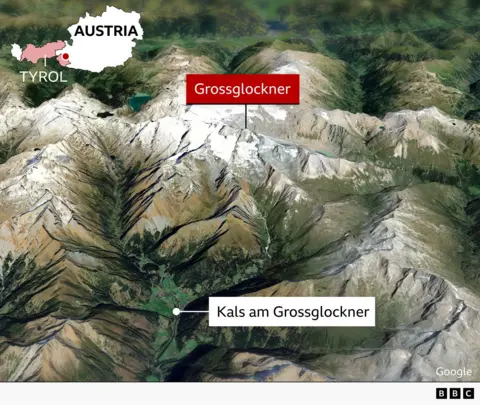
The events leading to Kerstin G’s death began as the couple embarked on their ambitious climb of the majestic Grossglockner. What started as an adventurous undertaking quickly devolved into a desperate struggle against nature’s fury. Prosecutors have meticulously compiled a list of nine alleged errors committed by Thomas P, painting a picture of systemic misjudgment and disregard for safety protocols from the very outset of the expedition. These alleged missteps range from inadequate preparation and unsuitable equipment choices to critical failures in judgment regarding weather conditions and the appropriate time to retreat or summon aid.
At the heart of the prosecution’s argument is the claim that Thomas P, as the more seasoned climber, failed to adequately assess his girlfriend’s capabilities and preparedness for such an arduous winter ascent. They assert that Kerstin G had "never undertaken an Alpine tour of this length, difficulty, and altitude," making the decision to proceed with the climb, especially under challenging winter conditions, inherently reckless. Furthermore, the prosecution highlights the alleged use of "snowboard soft boots" by Kerstin G, equipment deemed wholly "unsuitable for a high-altitude tour in mixed terrain," underscoring a perceived lapse in fundamental equipment planning.
Beyond the initial planning stages, the indictment points to a delayed start to the climb, pushing the couple into the treacherous early morning hours, compounded by a purported failure to carry "enough emergency bivouac equipment." As conditions on the mountain deteriorated with strong winds gusting up to 74 km/h (45 mph) and a windchill factor plummeting to -20°C, prosecutors argue that Thomas P should have made the critical decision to turn back. His alleged failure to do so, despite what they contend were clear warning signs, is presented as a crucial turning point where negligence superseded sound judgment.
The defense, however, presents a different perspective on these initial stages. Karl Jelinek asserts that the couple planned the tour collaboratively, both believing themselves to be "sufficiently experienced, adequately prepared, and well equipped." He emphasizes that both individuals possessed "relevant Alpine experience" and were "in very good physical condition," implying a shared understanding and acceptance of the inherent risks. This argument seeks to dilute the prosecution’s portrayal of Thomas P as the sole arbiter of safety and responsibility, suggesting a mutual assessment of their capabilities.

As the climb progressed, the situation became increasingly dire. Accounts diverge significantly regarding the couple’s status at various points. The defense states that upon reaching "Frühstücksplatz" at 13:30 on January 18 – a point of no return before the summit – neither climber felt "exhausted or overwhelmed," prompting their decision to continue. This directly contradicts the prosecution’s narrative of escalating danger that should have triggered an earlier retreat.
Further complicating the timeline are the events surrounding the couple getting stranded. Prosecutors allege they became stuck around 20:50 and that Thomas P failed to contact authorities or signal a police helicopter that flew overhead around 22:50. The defense counters this, stating that at that juncture, both climbers still felt capable and did not believe external assistance was necessary, given their proximity to the summit. It was only "shortly afterwards," the defense claims, that Kerstin G "suddenly showed increased signs of exhaustion" to Thomas P’s "complete surprise," at which point turning back was no longer a viable option.
The pivotal moment in the tragedy occurred in the early hours of January 19. Thomas P eventually made a call to mountain police at 00:35. The content of this conversation is a point of contention; while the defense maintains he requested help, denying any claim that he stated "everything was fine," prosecutors allege he subsequently placed his phone on silent, ignoring further calls from emergency services.
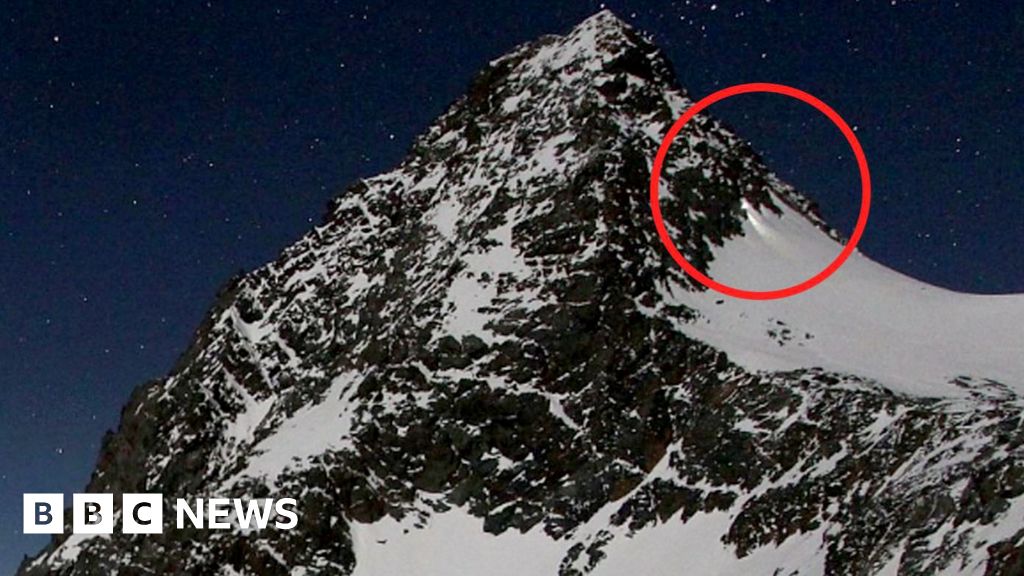
According to the defense, the couple managed to reach a point approximately 40 meters below the Grossglockner’s summit cross. Faced with his girlfriend’s extreme exhaustion and inability to proceed, Thomas P made the fateful decision to leave her behind to seek help. He scaled the remaining distance to the summit and began his descent on the opposite side. Webcam footage captured his torchlit figure during this desperate maneuver, providing a stark visual record of his solitary departure.
Prosecutors, however, highlight the circumstances of his departure, alleging he left Kerstin G at 02:00 without adequate protection, specifically neglecting to use "aluminium rescue blankets or other gear to protect her from the cold." Furthermore, they claim he delayed notifying emergency services of his separated status until 03:30. By this time, the severity of the weather, characterized by intense winds, rendered night-time helicopter rescue impossible. Kerstin G was ultimately found deceased, alone in the snow on the frozen mountainside, succumbing to hypothermia.
The human element of this tragedy is palpable. Kerstin G’s social media presence suggests a passion for mountaineering, with her mother conveying to German media her daughter’s particular fondness for night hikes in the mountains. For Thomas P, his lawyer states he is "deeply sorry" for her death and wishes to express his "sincere condolences to the family of the deceased." Yet, these expressions of remorse do not diminish the gravity of the legal proceedings he now faces.
Should Thomas P be found guilty of gross negligent manslaughter, he faces a potential prison sentence of up to three years. Beyond the personal ramifications for the defendant, the outcome of this trial carries profound implications for the broader mountaineering community. Legal experts and alpine associations are closely monitoring the proceedings, recognizing that a guilty verdict could signify a "paradigm shift for mountain sports," as noted by Austria’s Der Standard newspaper.
Such a shift could redefine the legal obligations and liabilities of individuals undertaking high-risk expeditions with companions. It raises critical questions about the legal interpretation of the "buddy system" inherent in many outdoor activities: When does a companion’s greater experience translate into a legally enforceable duty of care? How will personal judgment and risk-taking be balanced against criminal liability in environments where inherent dangers are ever-present? The trial on Grossglockner is more than just a case of individual culpability; it is a profound examination of the responsibilities we bear for one another in the face of nature’s formidable power, potentially reshaping the future of alpine adventure.




 Ridwan Kamil
 Aura Kasih
 Ayu Aulia