Aura Kasih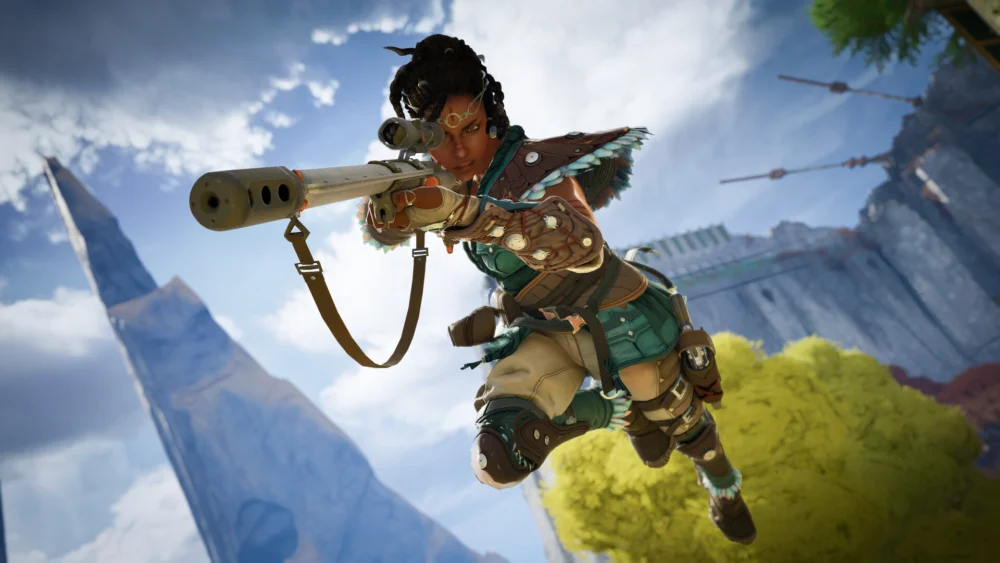
In a stark and rapid reversal of fortune, Wildlight Entertainment, the studio behind the recently released multiplayer shooter Highguard, has reportedly undertaken significant workforce reductions, with sources indicating that the majority of its staff has been let go merely weeks after the game’s debut. This abrupt restructuring follows an initial surge in player engagement on launch day, which has since seen a notable decline, raising critical questions about the long-term viability of the ambitious project and the underlying challenges of navigating the highly competitive live-service gaming market.
The news of widespread layoffs at Wildlight Entertainment emerged through direct accounts from former employees on professional networking platforms, painting a picture of immediate and substantial staff cuts. Reports from individuals identifying themselves as former level designers and lead technical artists at the studio have corroborated the scale of the downsizing, suggesting that a significant portion of the development team has been impacted. These firsthand testimonies have provided a granular view into the internal turmoil, indicating that the decision to drastically reduce personnel occurred with little prior warning for those affected.
Wildlight Entertainment has acknowledged the difficult circumstances in a public statement, framing the decision as a strategic necessity to "continue innovating on and supporting the game" with a "core group of developers." The company expressed pride in the talent and product developed by the team and conveyed gratitude to the player base for their initial engagement. However, the statement’s focus on a reduced operational capacity, while aiming to reassure remaining stakeholders and the community, does little to alleviate the immediate concerns surrounding the game’s future trajectory and the studio’s capacity for sustained development and content updates.
Highguard was unveiled with considerable fanfare, positioned as a flagship title from a studio composed of veteran developers with extensive experience on some of the industry’s most successful franchises, including Apex Legends and Call of Duty. Its debut at The Game Awards, accompanied by a polished trailer, set high expectations for its January 26th launch. The initial player response on Steam was robust, with the game achieving nearly 100,000 concurrent players on its opening day, a figure that initially suggested strong market reception.
However, this early success proved to be ephemeral. Following the launch day surge, Highguard has experienced a significant dip in its player count, settling at just over 2,400 concurrent players as of recent data. The game’s Steam rating currently stands at "Mixed," a designation that reflects a divided player sentiment and suggests underlying issues with gameplay, performance, or overall player experience. This decline in active engagement post-launch is a critical indicator for any live-service game, as sustained player numbers are fundamental to its economic model and long-term survival.

The studio’s efforts to adapt to player feedback were evident in the rapid introduction of a 5v5 mode, initially a limited-time offering, which was later made permanent in response to community requests. This agility in adjusting game modes demonstrates a commitment to responsiveness, but it appears insufficient to counteract the broader challenges that may be contributing to the player exodus and, ultimately, the drastic staffing cuts. The pivot to a permanent 5v5 format, while potentially addressing player desires for a particular style of engagement, also suggests a potential recalibration of the game’s core design or initial strategic direction in response to early player data.
The situation at Wildlight Entertainment is emblematic of the immense pressures and inherent risks associated with developing and launching live-service games. These titles demand continuous content creation, robust community management, and sustained player engagement to generate revenue and justify ongoing investment. The high upfront cost of development, coupled with the need for perpetual updates and the constant threat of competition, creates a precarious business model. A lukewarm reception or a rapid decline in player interest can quickly render a game commercially unviable, forcing studios into difficult decisions regarding their workforce and project future.
The industry has witnessed similar scenarios, underscoring the volatility of the live-service sector. The recent announcement of significant layoffs at Riot Games, impacting approximately 80 individuals involved with the newly released 2XKO fighting game, further highlights the precarious environment for ambitious, multiplayer-focused titles. Such events suggest that even established publishers with deep pockets and experienced development teams are not immune to the challenges of launching and sustaining live-service games in a crowded marketplace. The complexities of balancing player expectations, technical development, monetization strategies, and community building are immense, and any misstep can have severe consequences.
The trajectory of Highguard and Wildlight Entertainment raises several critical questions for the future of the game and the studio. Can the remaining core team, significantly diminished in size, effectively address player concerns, implement necessary improvements, and generate compelling new content to revitalize player interest? The ability to do so will hinge on factors such as the quality of the remaining development talent, the strategic vision for the game’s evolution, and the continued financial backing from investors or the parent company.
Furthermore, the long-term implications for Wildlight Entertainment as a studio are substantial. A launch marred by such significant staff reductions so soon after release can have a profound impact on morale, reputation, and the ability to attract future talent. It also signals potential challenges in securing future funding or partnerships, as investors may view the studio as a higher risk proposition. The industry will be closely watching to see if Wildlight can navigate this crisis and engineer a turnaround for Highguard, or if this marks a critical turning point for the ambitious developer.
The narrative of Highguard‘s launch serves as a cautionary tale for the broader gaming industry. It underscores the high-stakes nature of live-service game development, where initial player numbers are only one piece of a complex puzzle. Sustained engagement, positive community sentiment, and a well-executed long-term development roadmap are equally, if not more, critical for success. The ability of studios to adapt, innovate, and consistently deliver value to their player base will be the ultimate determinant of their longevity in this dynamic and unforgiving market. The fate of Highguard will undoubtedly be a subject of keen observation as the industry grapples with the evolving landscape of interactive entertainment.


 Ridwan Kamil
 Lisa Mariana
 Ayu Aulia