Lisa Mariana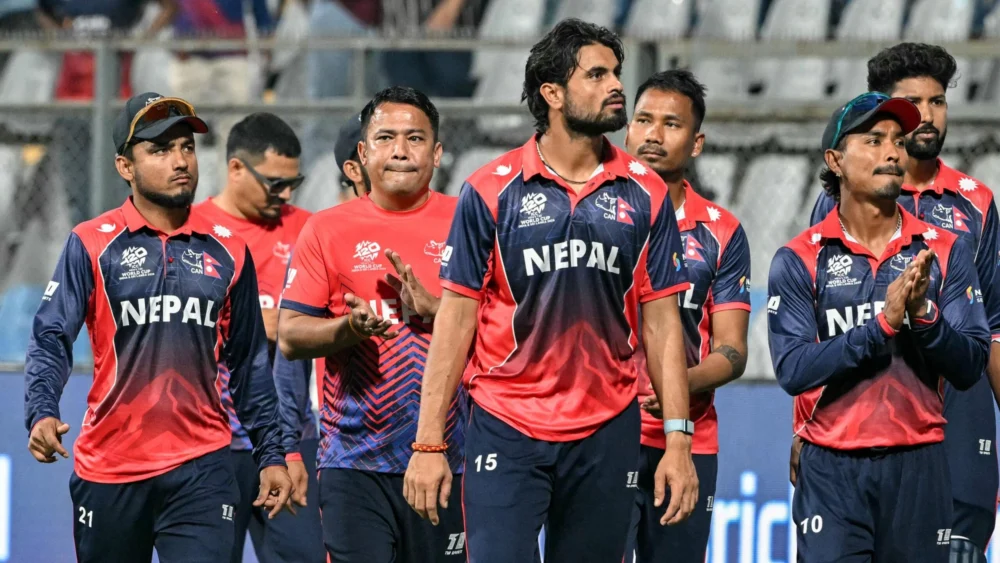
The opening fixture of the T20 World Cup in Mumbai delivered an unforeseen spectacle, as an ascendant Nepal challenged the established might of England, pushing the reigning champions to the absolute limit in a four-run contest decided on the final delivery. This gripping encounter not only set a high bar for tournament drama but also underscored the evolving landscape of international T20 cricket, where traditional hierarchies are increasingly tested by determined emerging nations. The narrow victory for England, secured by the composed bowling of Sam Curran in the decisive over, averted what would have been one of the most significant upsets in World Cup history, yet simultaneously illuminated potential vulnerabilities within their formidable squad.
The high-stakes Group C clash unfolded at Mumbai’s Wankhede Stadium, a venue renowned for its electrifying atmosphere and high-scoring encounters. England, entering the tournament as defending champions and with a robust recent T20 record, were widely tipped as strong contenders. However, the psychological shadow of a recent Ashes defeat lingered, placing additional pressure on captain Harry Brook and head coach Brendon McCullum to initiate their World Cup campaign with an emphatic statement. Conversely, Nepal arrived with a growing reputation as a spirited cricketing nation, buoyed by an impassioned fanbase and a history of pushing higher-ranked teams, albeit without yet securing a landmark victory against a major Test-playing nation on the global stage. This backdrop set the stage for a contest far more competitive than pre-match predictions might have suggested.
England’s innings commenced with an objective to establish a commanding total. Despite early jitters, the young batting talents of Jacob Bethell and Harry Brook anchored the middle overs with commendable maturity. Bethell, showcasing a blend of aggressive strokeplay and calculated risk, compiled a fluent 55 runs from just 35 deliveries, providing the crucial impetus. Brook, the captain, supported with a well-measured 53 from 32 balls, demonstrating his ability to rotate strike and accelerate when opportunities arose. Their partnership laid a solid foundation, allowing England to navigate through a period of disciplined bowling from the Nepalese attack. Leg-spinner Sandeep Lamichhane, a familiar figure on the global T20 circuit, was particularly impressive, exhibiting excellent control and subtle variations to claim the important wicket of Tom Banton for a mere two runs, finishing with economical figures of 1-25. Off-spinner Sher Malla, making his international debut, remarkably dismissed Phil Salt with his very first delivery, demonstrating Nepal’s capacity to inflict damage with their spin resources. Despite these breakthroughs, a late surge from Will Jacks, who smashed three crucial sixes in the final over of England’s innings, propelled the total to a competitive 184 for 7. Jacks’ unbeaten 39 provided the late acceleration that ultimately proved pivotal in setting a challenging target.
The chase by Nepal was characterized by audacious intent and a fearless approach, reflecting their growing confidence on the international stage. From the outset, the Nepalese batsmen showed no signs of being intimidated by the pedigree of their opponents. Dipendra Singh Airee emerged as a central figure in their pursuit, constructing a dynamic 44 runs from 29 balls. His aggressive yet composed innings kept Nepal firmly in contention, building crucial partnerships and maintaining the required run rate. Supported by a steadfast Rohit Paudel, who contributed 39 runs, Nepal reached a formidable 124 for 2 at one stage, signaling a genuine threat to England’s dominance.
The momentum, however, began to shift following two critical breakthroughs for England. Sam Curran, brought back into the attack, delivered a well-disguised slower ball that accounted for Airee, caught at deep cover, just as he looked set to take Nepal to victory. In the subsequent over, Liam Dawson, the 35-year-old left-arm orthodox spinner playing his first World Cup match, removed Paudel, stemming the flow of runs and injecting renewed belief into the English camp. Dawson’s spell was exceptionally economical, yielding only 21 runs from his four overs while securing two vital wickets, a testament to his experience and ability to perform under pressure.
Despite these setbacks, the match was far from decided. The entry of Lokesh Bam ignited a fresh wave of aggression. Bam launched a stunning counter-attack, targeting England’s experienced bowlers with remarkable audacity. He plundered 22 runs off Jofra Archer’s 18th over, including two towering sixes, showcasing immense power and composure. He followed this by hitting two fours off Luke Wood in the 19th over, rapidly narrowing the deficit and bringing Nepal to the brink of a historic victory. With 10 runs required from the final over, the stage was set for an epic conclusion.
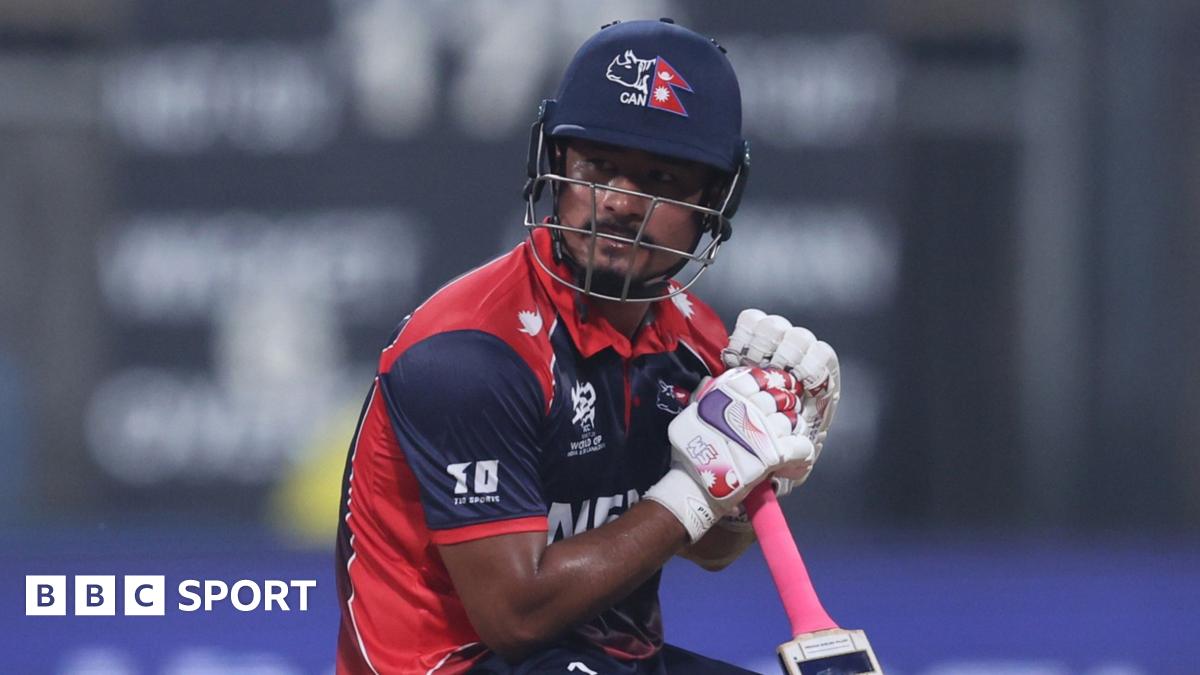
The responsibility of defending 10 runs against a rampant Lokesh Bam fell to Sam Curran, who had earlier provided a crucial breakthrough. The pressure on Curran was immense; a month after the Ashes defeat, England could ill-afford another high-profile setback. Curran, recently recalled to the England squad, delivered an exemplary final over, demonstrating remarkable composure and skill. He meticulously mixed his pace and maintained a predominantly full length, denying Bam the boundary options he desperately sought. Each delivery was met with bated breath, as the tension in the stadium reached a crescendo. With the final ball, Bam required a six for victory, but Curran’s precision resulted in only a single, sealing a four-run victory for England. The sight of Lokesh Bam dropping to his haunches, his heroic efforts just falling short, was a poignant moment, swiftly followed by England’s players offering commiserations and acknowledging his extraordinary performance. Curran’s ability to execute under such extreme pressure, especially given his recent struggles and recall, highlighted his resilience and invaluable contribution to England’s narrow escape.
The profound relief within the England camp was palpable at the match’s conclusion. There were no extravagant celebrations, only a collective exhalation, acknowledging the peril they had circumvented. This victory, while crucial for points, carried deeper psychological implications. A defeat would have intensified scrutiny on Brendon McCullum’s coaching tenure and Harry Brook’s captaincy, potentially derailing their World Cup aspirations before they had truly begun. The ability to pull back from the brink, however, can also serve as a character-building exercise, reinforcing resilience within the squad. Credit was also due to Will Jacks for his late-innings heroics and Liam Dawson for his disciplined bowling, both of whom played instrumental roles in ensuring England’s narrow triumph. This escape, however, did expose certain vulnerabilities, particularly within England’s bowling attack, with experienced campaigners like Jofra Archer and Adil Rashid conceding runs at a higher rate than anticipated. This will undoubtedly prompt tactical reviews ahead of their subsequent fixtures against more formidable opponents.
For Nepal, this performance was far more than a moral victory; it was a resounding statement to the cricketing world. Ranked 16th globally, Nepal demonstrated that their ascent in T20 cricket is not merely aspirational but demonstrably real. Their disciplined bowling, exemplified by Lamichhane’s control and the debut success of Malla, showcased a burgeoning talent pool. With the bat, their fearless approach and aggressive intent, particularly from Airee and Lokesh Bam, underscored their capability to compete at the highest level. This near-upset against a top-tier nation will undoubtedly galvanize Nepalese cricket, inspiring a new generation of players and potentially attracting greater investment and recognition for the sport in the nation. Their prior close contests against West Indies and taking South Africa to the final ball in another 2024 World Cup fixture were precursors to this performance, indicating a consistent upward trajectory. The strategic advantage of playing all four of their group matches in Mumbai could further aid their campaign, allowing them to adapt to and exploit familiar conditions.
From a strategic perspective, the match offered several insights. England’s captaincy under Brook was tested early, requiring swift decisions under duress. The reliance on individual brilliance, such as Curran’s final over, highlights the fine margins in T20 cricket. For Nepal, their tactics were clear: attack the bowling and maintain a high scoring rate. Their ability to execute this against a world-class attack speaks volumes. The pitch at Wankhede, while offering good batting conditions, also rewarded bowlers who varied their pace and length effectively, as demonstrated by Curran and Dawson. The contrast between England’s moments of struggle and Nepal’s consistent intensity showcased the growing competitive parity within the T20 format, where the gap between established and emerging nations continues to shrink.
Looking ahead, England faces a crucial test against West Indies in their next fixture at the same venue. The narrow victory against Nepal provides points but also demands introspection and tactical adjustments. The team will need to address concerns within their bowling unit and ensure that their top-order batting maintains consistent momentum. For Nepal, this performance is a powerful launchpad. While the sting of falling short will linger, the confidence gained from pushing the defending champions to the very last ball is invaluable. Their ability to replicate this level of performance against other group opponents will be key to their aspirations of progressing further in the tournament. The match serves as a compelling narrative for the T20 World Cup, setting a precedent for unexpected thrills and underscoring the format’s dynamic and unpredictable nature. It reaffirms that in T20 cricket, pedigree alone is no guarantee of victory, and that passion, skill, and strategic execution can level the playing field, creating truly memorable global sporting moments.




 Aura Kasih

 Ridwan Kamil