
 Lisa Mariana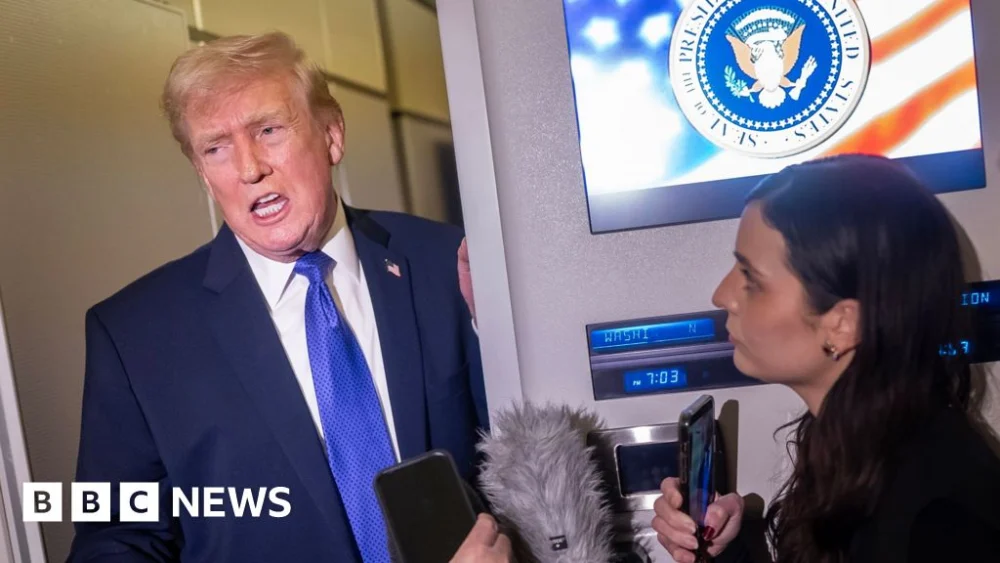
Against a backdrop of heightened geopolitical friction and significant military posturing, the United States and Iran have commenced a crucial second round of indirect discussions in Geneva, Switzerland. These deliberations aim to address the protracted dispute surrounding Tehran’s atomic development program, a critical flashpoint that continues to fuel regional instability and global apprehension. The resumption of dialogue underscores a delicate balance between diplomatic engagement and coercive pressure, with both nations signaling a readiness to negotiate while simultaneously asserting their strategic might.
The Swiss city of Geneva, a traditional nexus for international diplomacy, once again serves as the stage for these sensitive exchanges. The current round of talks follows a period of intense military rhetoric and deployments from Washington, juxtaposed with internal unrest in Iran, stemming from a brutal crackdown on widespread anti-government protests. This complex tapestry of internal and external pressures frames the high-stakes negotiations, mediated by Oman, a long-standing interlocutor known for its neutral stance in regional conflicts.
On the eve of the discussions, comments from US President Donald Trump, delivered from the confines of Air Force One, conveyed a mix of perceived Iranian willingness to compromise and a stern warning against intransigence. The President expressed a belief that Tehran was now genuinely inclined to forge an agreement concerning its nuclear ambitions. This assessment was met with a corresponding, albeit cautious, affirmation from Tehran’s foreign ministry, which indicated a perception that the American stance on the nuclear dossier had evolved towards a "more realistic" footing. Such preliminary declarations, while seemingly positive, often serve as opening gambits in intricate diplomatic maneuvers, setting expectations and subtly outlining red lines.
The scope of the agenda for these talks remains a point of divergence. Iranian officials have stated their primary focus is on securing the lifting of economic sanctions imposed by the United States and addressing the technical aspects of its nuclear program. Washington, however, has signaled a broader intent, seeking to incorporate discussions on Iran’s ballistic missile arsenal and its regional activities, issues Tehran has historically deemed non-negotiable and intrinsic to its national security doctrine. This fundamental misalignment in priorities presents an immediate hurdle, requiring astute diplomatic navigation to identify areas of common ground or potential trade-offs.
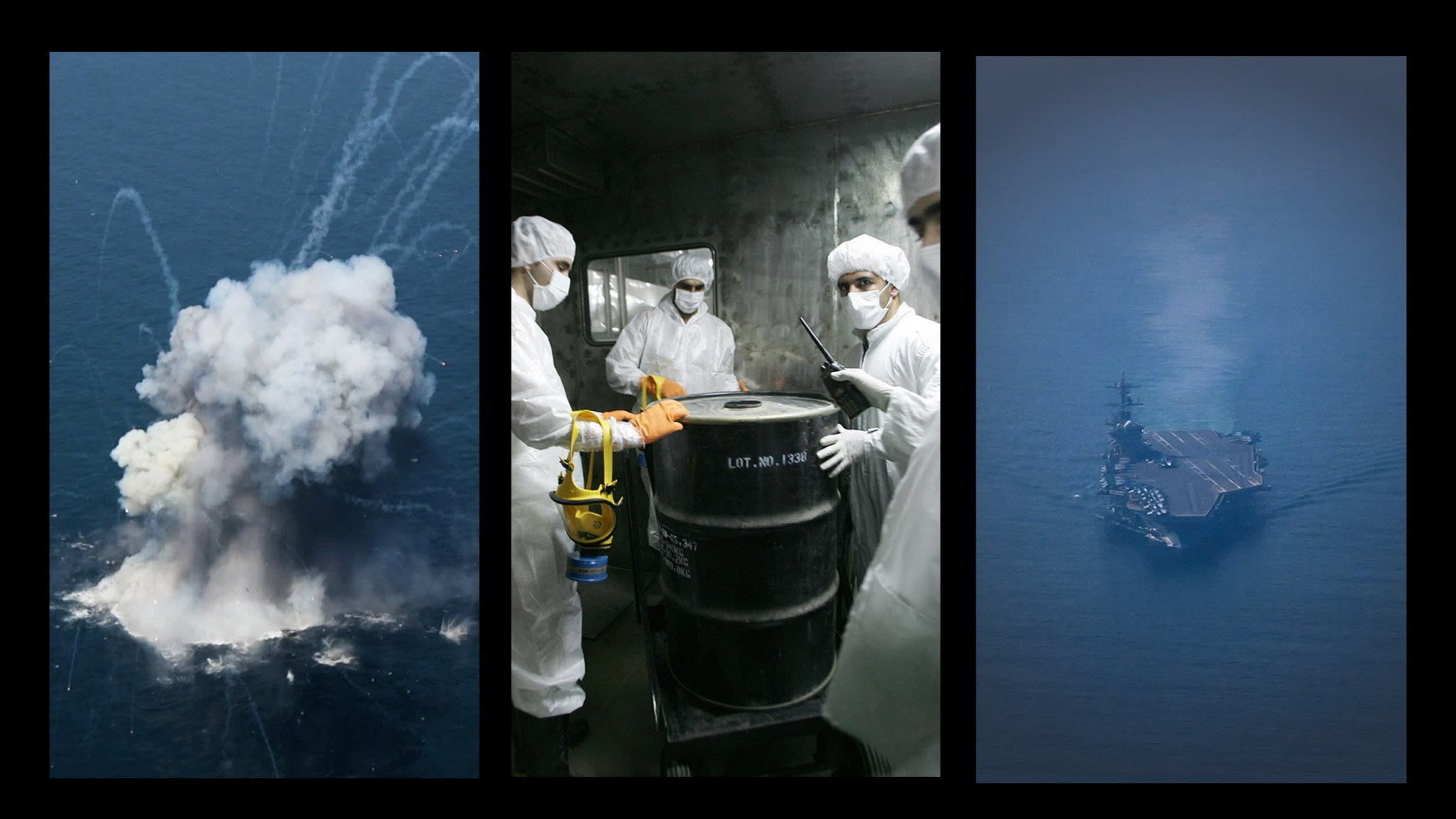
President Trump, in his remarks, characterized the ongoing discussions as "very important" and indicated his "indirect" involvement, a testament to the sensitive nature of the engagement. His suggestion that Iran was motivated by the desire to avoid "the consequences of not making a deal" highlighted a coercive dimension to the US diplomatic approach. The President explicitly referenced past military actions, specifically the bombing of Iranian nuclear facilities by B-2 stealth bombers, stating, "We could have had a deal instead of sending the B-2s in to knock out their nuclear potential. And we had to send the B-2s." This stark reminder of previous military interventions served as a potent signal, underscoring the potential for force should diplomacy fail, and framing the current negotiations as an opportunity for Iran to adopt a "more reasonable" posture.
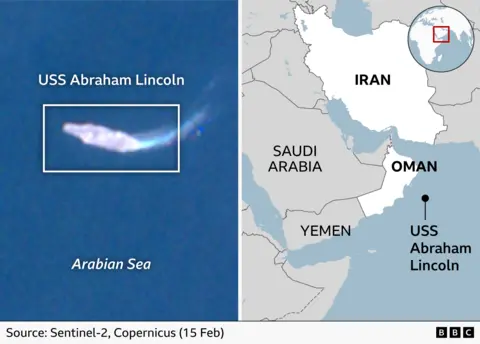
This blend of diplomatic outreach and overt military intimidation is not occurring in a vacuum. The past few weeks have witnessed a significant augmentation of American military presence across the Middle East. Strategic deployments include the USS Abraham Lincoln carrier strike group, a formidable projection of naval power, which has been positioned in the Arabian Sea. Further reinforcing this build-up, reports indicate the potential arrival of the USS Gerald R. Ford, the world’s largest aircraft carrier, within the coming weeks. Analysis from reputable tracking agencies like BBC Verify has independently corroborated a discernible increase in US naval assets, including destroyers and combat ships, alongside an expanded contingent of fighter jets in the region. This orchestrated display of force is intended to serve multiple objectives: deterring potential Iranian aggression, reassuring regional allies, and exerting maximum pressure on Tehran to engage constructively in the talks.
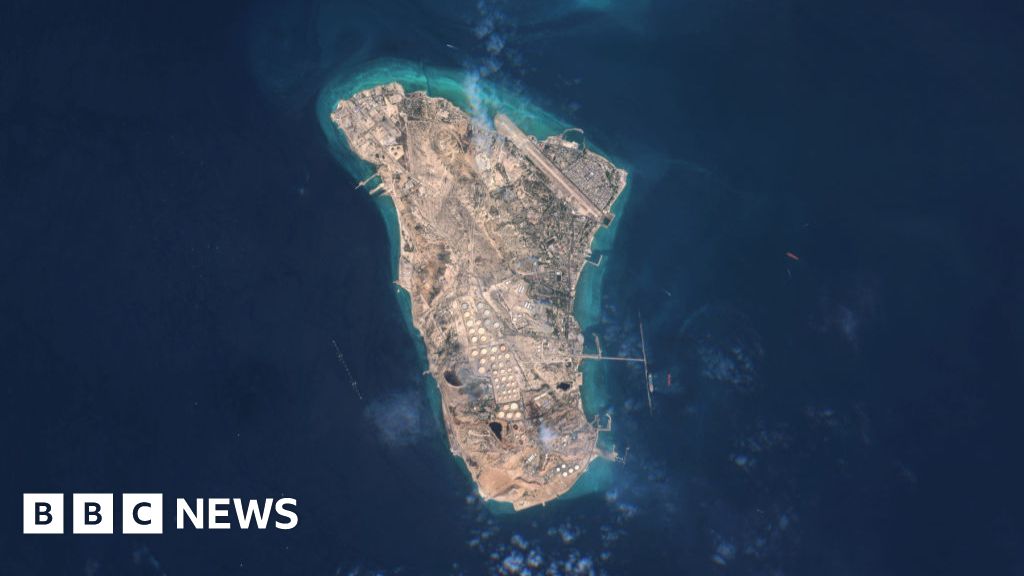
Iran’s response to this heightened military posture has been equally assertive. In a clear demonstration of its own strategic capabilities and resolve, the Islamic Revolutionary Guard Corps (IRGC) initiated a significant maritime drill in the Strait of Hormuz. This vital international waterway, nestled between Oman and Iran, is a critical choke point for global oil shipments from Gulf Arab states. Any disruption in the Strait has immediate and far-reaching implications for international energy markets and global economic stability. The IRGC’s exercise serves as a counter-signal, demonstrating Tehran’s capacity to retaliate and disrupt crucial maritime routes, thereby illustrating its own leverage in any broader confrontation.
On the diplomatic front, Iran’s Foreign Minister Abbas Araqchi met with the head of the UN nuclear watchdog, the International Atomic Energy Agency (IAEA), on Monday. In a subsequent post on social media, Araqchi articulated Iran’s objective in Geneva: to "achieve a fair and equitable deal." Crucially, he also issued a defiant caveat: "What is not on the table: submission before threats." This statement encapsulates Iran’s delicate balancing act – a willingness to negotiate for a beneficial outcome, particularly regarding sanctions relief, but an unequivocal rejection of perceived capitulation under duress.
The US delegation to Geneva reflects the critical importance Washington attaches to these talks. It includes seasoned diplomats such as Middle East envoy Steve Witkoff and, notably, presidential son-in-law Jared Kushner. The involvement of such high-level personnel, particularly an individual with close ties to the President, suggests a direct channel to the White House and a centralized approach to the negotiations. However, even with this focused effort, skepticism regarding an easy resolution persists. US Secretary of State Marco Rubio, speaking during a visit to Hungary, candidly admitted that reaching an agreement with Tehran would be "very difficult." While acknowledging "an opportunity here to diplomatically reach an agreement," he cautioned against overstating expectations, reiterating, "It’s going to be hard."
The historical context of the US-Iran nuclear dispute provides crucial background to the current discussions. The Joint Comprehensive Plan of Action (JCPOA), signed in 2015, was designed to restrict Iran’s nuclear program in exchange for sanctions relief. The US withdrawal from this agreement in 2018, followed by the re-imposition of stringent sanctions, led Iran to progressively reduce its compliance with the deal’s terms, including increasing uranium enrichment levels. This cycle of escalation has brought the region to a precarious juncture, where the risk of miscalculation remains high. The ongoing anti-government protests within Iran, sparked by human rights concerns and economic hardship exacerbated by sanctions, further complicate the regime’s calculus, potentially pushing it towards either greater defiance or a more urgent need for sanctions relief.
Expert analysis suggests that both sides are driven by a complex set of motivations. For the United States, the primary objective is to curb Iran’s nuclear program, preventing it from acquiring nuclear weapons capability, and to address its destabilizing regional actions. The military build-up serves as a deterrent against further nuclear advancement and as leverage to extract concessions. For Iran, the lifting of economic sanctions is paramount to alleviate severe domestic economic pressures and potentially quell internal dissent. While Tehran maintains its nuclear program is for peaceful purposes, its strategic value as a deterrent and a bargaining chip is undeniable. The presence of Oman as a mediator is critical, offering a trusted channel for indirect communication, especially given the profound lack of trust between Washington and Tehran.
The implications of these talks are profound. A successful outcome could lead to a de-escalation of tensions, potentially paving the way for broader regional stability and a significant boost to the Iranian economy. It could also reinforce the global non-proliferation regime. Conversely, a failure to reach an agreement could trigger a dangerous spiral of escalation, potentially leading to military confrontation, increased regional proxy conflicts, and a renewed acceleration of Iran’s nuclear activities, pushing it closer to weaponization capability. Such an outcome would destabilize global energy markets and have far-reaching geopolitical consequences.
Looking ahead, the path to a comprehensive resolution remains fraught with challenges. The divergent agendas, the deep-seated mistrust, and the domestic political pressures on both sides mean that a rapid breakthrough is unlikely. A phased approach, focusing initially on de-escalation measures and limited sanctions relief in exchange for verifiable nuclear concessions, might offer a more pragmatic route. However, the explicit linking of the nuclear issue to Iran’s missile program and regional behavior by the US adds layers of complexity that Iran is reluctant to accept. The international community, particularly the remaining signatories of the JCPOA, will be closely watching, hoping that diplomacy can prevail over the palpable threat of conflict. The Geneva talks are not merely about a nuclear program; they represent a critical test of whether dialogue, however strained, can avert a wider crisis in one of the world’s most volatile regions.

 Ridwan Kamil
 Aura Kasih


 Ayu Aulia