
 Lisa Mariana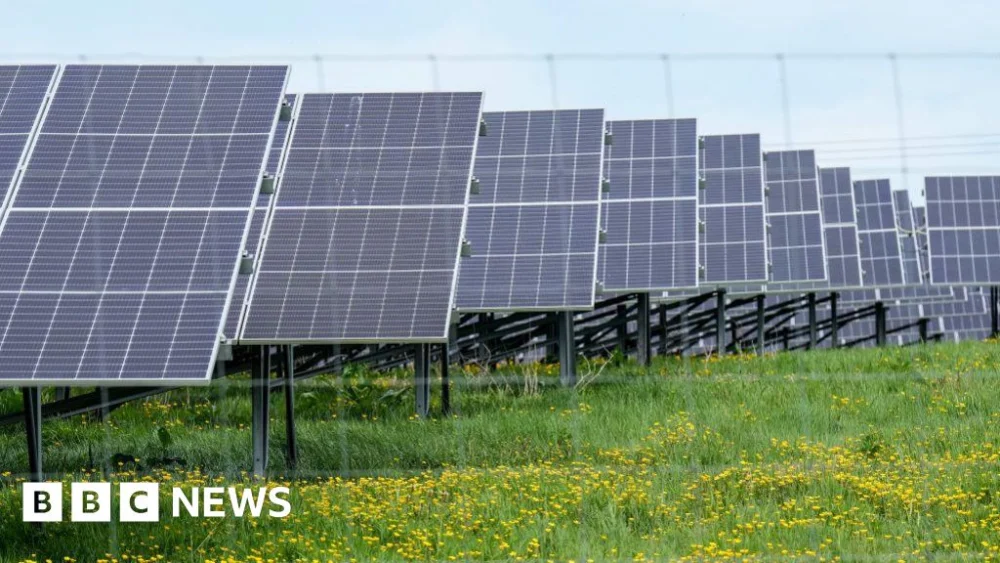
The United Kingdom is poised for a substantial expansion of its solar energy infrastructure, with a recent government auction securing contracts for an unprecedented volume of renewable power projects, predominantly large-scale solar farms, across England, Scotland, and Wales. This strategic move marks a pivotal step in the nation’s ambitious decarbonization agenda, aiming to bolster energy independence and stabilize electricity costs, yet it concurrently rekindles localized opposition concerns regarding the visual and environmental impact of industrial-scale developments on rural landscapes.
The latest round of the Contracts for Difference (CfD) scheme, a cornerstone of the UK’s renewable energy policy, has yielded remarkable results. A total of 157 new solar developments were awarded contracts, committing to deliver a collective generation capacity of approximately 4.9 gigawatts (GW). This figure represents a significant increase from the previous auction in 2024, which secured 3.3 GW across 93 projects, underscoring a growing momentum in the deployment of solar photovoltaic technology. Beyond solar, the auction also facilitated the advancement of other clean energy sources, notably onshore wind projects, primarily situated in Scotland, and a smaller contingent of innovative tidal power installations.
The CfD mechanism is designed to provide revenue stability to renewable energy generators by guaranteeing a fixed "strike price" for their electricity. If the wholesale market price falls below this strike price, the generator receives a top-up payment. Conversely, if the market price exceeds the strike price, the generator pays back the difference. This framework de-risks investment in capital-intensive renewable projects, thereby attracting developers and fostering competitive bidding, which ultimately drives down the cost of clean electricity for consumers. The success of this latest auction reflects the increasing cost-effectiveness and maturity of solar technology, making it an attractive proposition for both investors and policymakers seeking to achieve energy security and climate objectives.
For climate advocacy groups and clean energy proponents, the outcome of this auction is a resounding triumph. Solar power is widely lauded for its declining installation costs and its capacity to significantly reduce the UK’s reliance on volatile fossil fuel markets, particularly during periods of high demand and abundant sunlight. Its role is seen as complementary to other intermittent renewables like wind, providing a robust power supply during the summer months when wind speeds can often be lower. This diversification strengthens the resilience of the national grid and contributes directly to reducing carbon emissions associated with electricity generation.
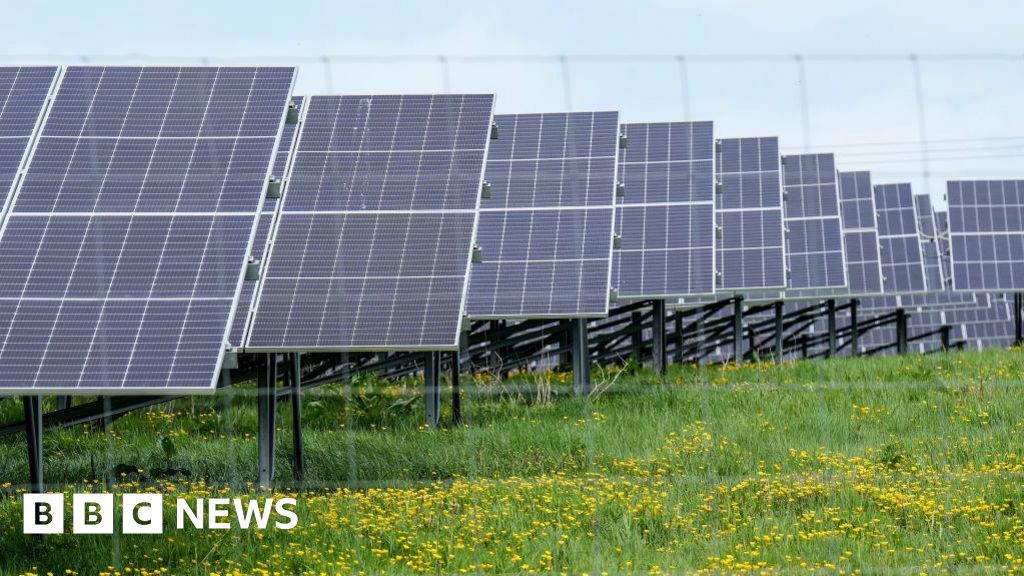
However, the rapid proliferation of utility-scale solar arrays is not without its detractors. While all awarded projects have successfully navigated the planning permission process, local communities often voice strong objections to the scale and visual footprint of these developments. Concerns frequently revolve around the perceived "industrialization" of agricultural land, potential impacts on local ecosystems, and changes to the character of rural areas. The proposed West Burton solar farm, slated for the Lincolnshire and Northamptonshire border, exemplifies this tension. Having secured the largest single government contract in this round, it has simultaneously ignited significant local opposition, with critics lamenting the potential transformation of their countryside. This dynamic highlights the persistent challenge of balancing national energy imperatives with local environmental and aesthetic sensitivities, requiring careful consideration of siting, design, and community engagement throughout the development lifecycle.
The political context surrounding this renewable energy push is also noteworthy. The current government has set an ambitious target for Great Britain: to derive at least 95% of its electricity from "clean" sources, encompassing renewables such as solar and wind, alongside nuclear energy, by the year 2030. This objective underscores a significant commitment to decarbonization and a strategic pivot away from fossil fuels. Ed Miliband, a prominent figure in the energy policy discourse, emphasized the dual benefits of this approach, stating, "By backing solar and onshore wind at scale, we’re driving bills down for good and protecting families, businesses, and our country from the fossil fuel rollercoaster controlled by petrostates and dictators." This statement frames renewable energy not merely as an environmental imperative but also as a crucial component of economic stability and national security.
Historically, solar energy’s contribution to the UK’s electricity mix has been steadily increasing. Last year, solar power accounted for over 6% of Great Britain’s total electricity supply. During peak generation periods in July, this figure surged to more than 40% for certain half-hour intervals, demonstrating solar’s capacity to deliver substantial power during optimal conditions. To further solidify its clean energy credentials, the government aims to achieve a total solar power capacity of at least 45 GW by 2030, a substantial increase from the approximately 21 GW recorded in autumn 2025. This target necessitates continued robust deployment and investment.
A critical element in maximizing the utility of intermittent renewable sources like solar is the development and integration of advanced energy storage systems, particularly large-scale batteries. These systems are essential for capturing surplus solar energy generated during peak sunshine hours and discharging it back into the grid when generation is low, such as after sunset or on cloudy days. The government’s strategy explicitly recognizes the need for expanded battery storage and other flexible energy solutions to ensure grid stability and optimize the value of renewable electricity, thereby decoupling electricity supply from instantaneous generation.
While the current auction results are undeniably positive for the solar sector, securing an additional 4.9 GW of capacity, the broader trajectory towards the 2030 clean power target remains a subject of intense scrutiny among energy analysts. Despite these significant strides, many experts express serious doubts about the feasibility of reaching the 95% clean electricity goal within the specified timeframe. Challenges include the pace of grid infrastructure upgrades, ongoing planning hurdles, and the need for consistent policy support regardless of political shifts. The Conservative party, for instance, has previously raised concerns that the aggressive pursuit of clean power targets could lead to elevated energy bills, highlighting a potential area of political contention.
The successful procurement of such a large volume of solar capacity through the CfD scheme reinforces the UK’s position as a leader in renewable energy deployment. It signifies a maturation of the solar industry, where projects are increasingly competitive and able to offer electricity at prices that are often lower than those of traditional fossil fuel generation. This competitive advantage is a key driver for the accelerated deployment witnessed in this auction round.
Looking ahead, the UK’s energy landscape will continue to evolve rapidly. Beyond solar and onshore wind, significant investments in offshore wind remain crucial, given the nation’s extensive coastline and excellent wind resources. The role of new nuclear power plants, though often controversial and expensive, is also factored into the long-term clean energy strategy, providing baseload power that is not dependent on weather conditions. Furthermore, emerging technologies such as green hydrogen production and advanced geothermal systems could play an increasingly important role in diversifying the clean energy mix and providing solutions for hard-to-decarbonize sectors.
The path to a fully decarbonized electricity system is complex, requiring not only technological innovation and financial investment but also effective policy frameworks, public acceptance, and robust grid modernization. The latest CfD auction represents a significant positive step, demonstrating a clear commitment to leveraging solar power as a foundational element of the UK’s future energy security and environmental stewardship. However, sustained effort and strategic foresight will be essential to overcome the remaining hurdles and transform ambitious targets into tangible reality.




 Ridwan Kamil
 Aura Kasih


 Ayu Aulia