Ridwan Kamil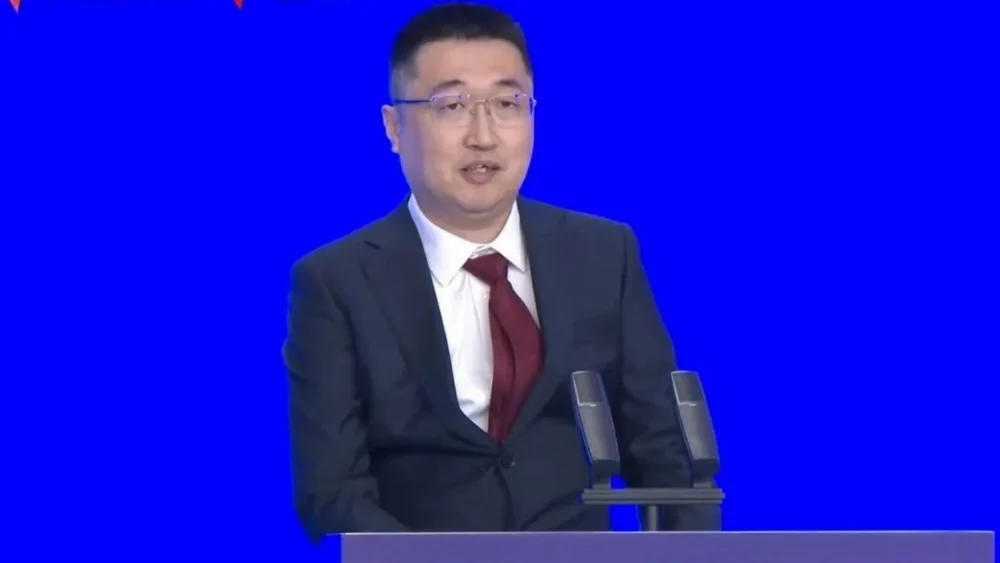
Chris Xu, the elusive founder of fast-fashion behemoth Shein, has recently surfaced from a prolonged period of public absence to articulate his company’s foundational connection to China and to underscore the strategic significance of its content-driven approach to e-commerce. This rare public engagement offers a crucial glimpse into the mindset of a business leader who has propelled an online retail platform from obscurity to global dominance, a trajectory marked by both remarkable success and persistent scrutiny. Xu’s pronouncements serve not merely as a personal statement but as a strategic declaration, aiming to shape perceptions of Shein’s origins, operational philosophy, and future direction in an increasingly complex international marketplace.
For years, Shein operated with a deliberate air of mystery, its founder a largely unknown figure even as the company’s ultra-fast fashion model disrupted the retail landscape worldwide. Xu’s emergence signifies a potential shift in this strategy, driven perhaps by the growing pressures of geopolitical tensions, increased regulatory oversight, and the need to solidify brand identity amidst intense competition. His emphasis on Chinese roots is particularly noteworthy. While Shein’s manufacturing base has always been understood to be in China, the company has often been positioned in international markets with a more global, less geographically specific branding. Xu’s explicit acknowledgment of his Chinese heritage and the company’s origins suggests a conscious effort to reframe Shein’s narrative, potentially to leverage China’s manufacturing prowess and established supply chain infrastructure as a core competitive advantage, rather than a point of contention.
This recalibration of narrative is significant in the context of the current global economic and political climate. As Western nations increasingly scrutinize Chinese technological and commercial influence, companies like Shein face the delicate task of navigating these sensitivities. By foregrounding its Chinese identity, Xu might be aiming to foster a sense of authenticity and direct connection to its production capabilities. This could be interpreted as a strategic move to preemptively address concerns about supply chain transparency and labor practices, by presenting a more open and accountable facade tied to its origins. It also allows Shein to tap into the vast domestic market and the burgeoning innovation ecosystem within China, which has been instrumental in developing the sophisticated e-commerce and logistics technologies that underpin the company’s success.
Furthermore, Xu’s focus on "content" signals a deeper understanding of modern consumer engagement, particularly with younger demographics. Shein’s business model has always been intrinsically linked to social media marketing, influencer collaborations, and a constant stream of visually appealing product offerings. The company excels at creating a digital environment where trends are rapidly identified, translated into affordable apparel, and disseminated through platforms like TikTok, Instagram, and Shein’s own app. This approach moves beyond traditional retail, transforming the shopping experience into a form of entertainment and continuous discovery. Xu’s emphasis suggests that content is not merely a marketing tool but a fundamental component of Shein’s value proposition, driving both customer acquisition and retention.
The company’s success in leveraging user-generated content and influencer marketing has been a masterclass in digital engagement. By empowering customers to become brand advocates and by strategically partnering with micro and macro-influencers across diverse markets, Shein has cultivated a highly engaged and visually driven community. This organic reach, amplified by sophisticated algorithms, allows for rapid trend identification and product development, creating a virtuous cycle of demand and supply. Xu’s public statement likely seeks to highlight this unique capability as a core differentiator, positioning Shein not just as a seller of clothes, but as a curator and creator of digital fashion experiences. This is a critical distinction in an era where consumers, especially Gen Z and Millennials, seek brands that offer more than just products; they seek community, entertainment, and a sense of participation.
From an analytical perspective, Xu’s reappearance and his articulated focus on Chinese roots and content strategy can be viewed through several lenses. Firstly, it represents a mature phase for Shein, moving beyond its initial disruptive growth to a more consolidated and strategically defined corporate identity. The company has achieved a scale where managing public perception and addressing potential regulatory headwinds are paramount. By framing its narrative around its Chinese origins, Shein might be attempting to align itself with the growing narrative of Chinese technological and manufacturing leadership, while simultaneously seeking to differentiate itself from other Chinese tech giants that have faced significant international backlash.
Secondly, the emphasis on content is a recognition of the evolving nature of e-commerce. The lines between retail, social media, and entertainment are increasingly blurred. Shein has been at the forefront of this convergence, demonstrating how to effectively monetize user engagement and viral trends. Xu’s articulation of this strategy suggests a long-term vision where content creation and community building are integral to sustainable growth. This approach also allows Shein to gather granular data on consumer preferences and emerging trends, further refining its agile supply chain and product development cycles. This data-driven content strategy is a powerful competitive advantage, enabling the company to respond to market shifts with unprecedented speed.
However, this renewed focus also brings its own set of challenges and implications. While emphasizing Chinese roots might foster a sense of connection with its manufacturing base, it could also amplify existing geopolitical concerns, particularly in Western markets where there are ongoing debates about supply chain dependencies and national security. Shein will need to navigate this complex terrain carefully, ensuring that its embrace of its heritage does not alienate key customer segments or invite further regulatory scrutiny. The company’s ability to demonstrate ethical sourcing, fair labor practices, and environmental responsibility will be crucial in mitigating these risks, regardless of its geographic origins.
The emphasis on content, while a strength, also requires continuous innovation. The digital landscape is constantly evolving, with new platforms and engagement models emerging regularly. Shein’s success will depend on its ability to stay ahead of these trends, adapt its content strategies, and maintain the authenticity and appeal of its digital communities. The risk of content fatigue or the emergence of even more compelling digital experiences from competitors is a constant threat.
Moreover, Shein’s rapid growth has attracted significant attention regarding its business practices. Allegations of intellectual property theft, environmental impact from fast fashion, and labor conditions in its supply chain have been persistent concerns. While Xu’s public statements may aim to reframe the company’s narrative, these substantive issues will likely remain under intense scrutiny. The company’s ability to address these concerns transparently and effectively will be critical to its long-term legitimacy and market acceptance.
Looking ahead, Shein’s strategy of integrating its Chinese manufacturing capabilities with a sophisticated, content-driven e-commerce model presents a compelling case study in modern global business. Xu’s rare public intervention suggests a strategic pivot towards solidifying the company’s identity and leveraging its core strengths. The success of this approach will hinge on Shein’s ability to balance its Chinese heritage with global market expectations, maintain its innovative edge in content creation, and proactively address the ethical and sustainability challenges inherent in the fast-fashion industry. The coming years will be a critical test of Shein’s resilience and adaptability as it continues to shape the future of online retail. Its ability to demonstrate responsible growth, coupled with its proven agility in product development and marketing, will determine its sustained dominance in the global marketplace. The company’s future trajectory will be closely watched as a barometer for the evolving relationship between Chinese manufacturing, global e-commerce, and the power of digital content in shaping consumer behavior.



 Lisa Mariana
 Aura Kasih