Ayu Aulia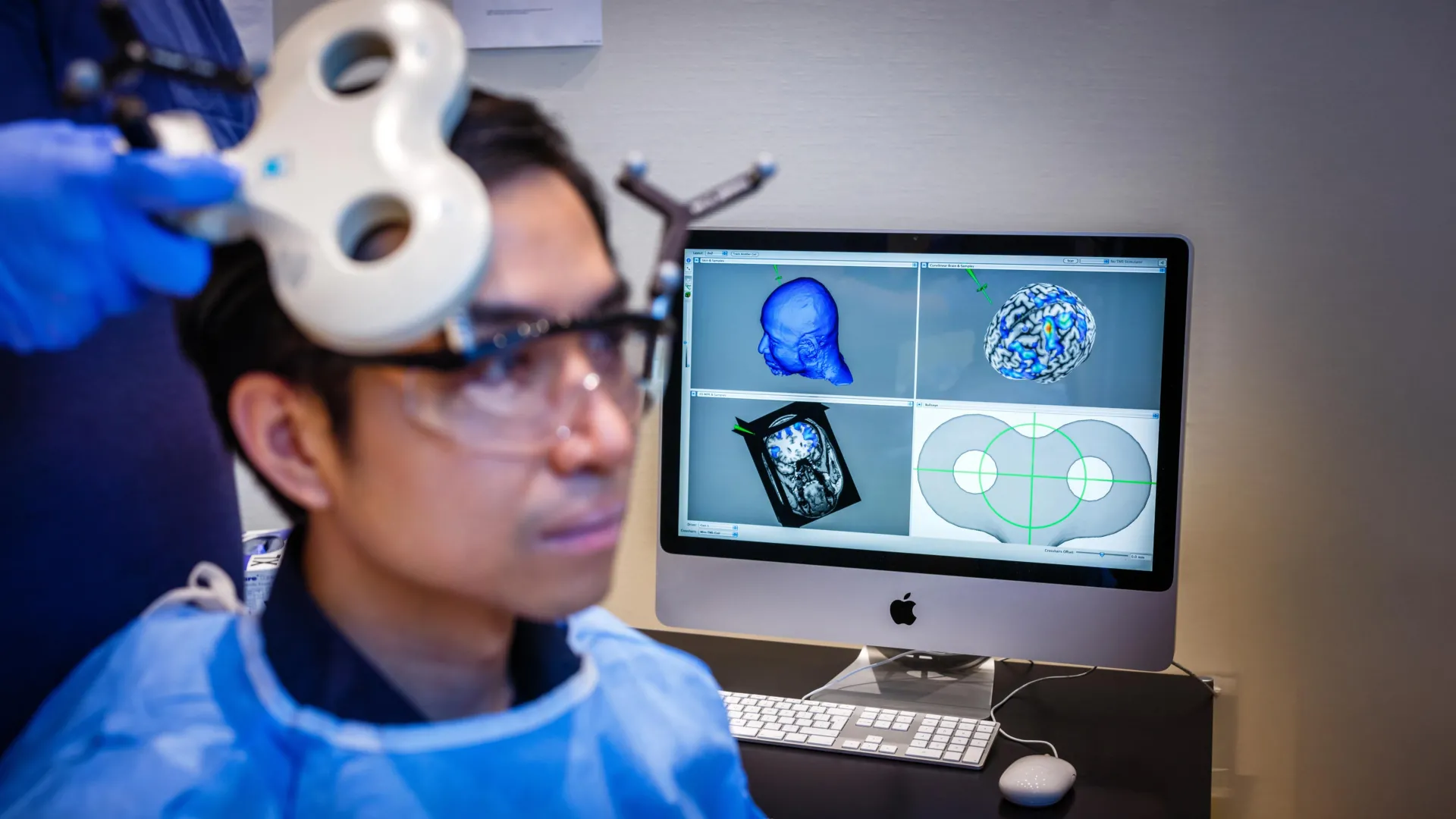
A groundbreaking investigation reveals that precisely aligning neural oscillations between distinct cerebral regions can significantly enhance an individual’s propensity for altruistic behavior. Published recently, this collaborative research, spearheaded by neuroscientists from East China Normal University and the University of Zurich, demonstrates a direct, causal link between targeted brain stimulation and increased generosity, offering profound insights into the neurological underpinnings of social decision-making and human cooperation.
The Neurobiological Architecture of Social Conduct
Human societies are fundamentally built upon intricate webs of social interaction, where individuals often balance personal gain against the collective good. The capacity for altruism – selfless concern for the well-being of others – is a cornerstone of this social fabric, fostering trust, cooperation, and community cohesion. Yet, the expression of altruism varies widely among individuals, from consistent self-sacrifice to pronounced self-interest. For decades, researchers across neuroscience, psychology, and economics have sought to unravel the complex mechanisms driving these individual differences, hypothesizing that neurobiological factors play a crucial, if not deterministic, role. Understanding these mechanisms could pave the way for interventions that promote prosocial behaviors in various contexts, from education to conflict resolution.
Early theories in social psychology posited that altruism was primarily a learned behavior, shaped by upbringing, cultural norms, and personal experiences. However, advances in neuroimaging and cognitive neuroscience have increasingly pointed towards a significant biological component. Studies using functional magnetic resonance imaging (fMRI) have identified several brain regions consistently activated during acts of generosity or empathy, including areas within the prefrontal cortex, temporal-parietal junction, and insula. These regions are implicated in complex cognitive functions such as perspective-taking, emotional processing, reward evaluation, and executive control, all of which are essential for navigating social dilemmas. The prefrontal cortex, particularly its ventromedial and dorsolateral subdivisions, is understood to play a critical role in integrating emotional and cognitive information to guide decision-making, while the parietal lobe contributes to spatial awareness, attention, and the representation of self and other. The intricate interplay between these areas is thought to facilitate the cognitive computations necessary for weighing the costs and benefits of altruistic acts.
Methodological Innovation: Modulating Neural Synchrony
To move beyond mere correlation and establish a causal link, the research team employed transcranial alternating current stimulation (tACS), a non-invasive neuromodulation technique. Unlike transcranial direct current stimulation (tDCS) which applies a constant current, tACS delivers weak electrical currents oscillating at specific frequencies. The fundamental principle behind tACS is to synchronize the firing patterns of neurons within targeted brain regions, thereby modulating endogenous brain rhythms. Neural oscillations, or brainwaves, are rhythmic patterns of electrical activity generated by synchronized neuronal firing, and they are believed to underpin various cognitive processes, including attention, memory, and perception. Different frequency bands – such as alpha (8-12 Hz), beta (13-30 Hz), theta (4-7 Hz), and gamma (30-100+ Hz) – are associated with distinct brain states and functions. Gamma oscillations, for instance, are often linked to active information processing, feature binding, and conscious perception, while alpha oscillations are more commonly associated with inhibitory control and states of relaxed wakefulness.
The researchers specifically targeted the frontal and parietal lobes, areas known to be involved in social cognition and value-based decision-making. By applying tACS to these regions, they aimed to either enhance gamma synchrony or alpha synchrony between them. The choice of these specific frequency bands was deliberate, based on prior research suggesting their involvement in various aspects of cognitive control and social interaction. The objective was to investigate whether the coordinated rhythmic activity between these two critical brain areas could be externally manipulated to influence decisions involving self-other trade-offs.
The Dictator Game: A Behavioral Assay for Generosity
To quantify altruistic behavior in a controlled experimental setting, the study utilized a well-established paradigm known as the "Dictator Game." This economic game is a standard tool in behavioral economics and psychology for measuring fairness and generosity. In its basic form, one participant (the "Dictator") is given an endowment of money and instructed to decide how much, if any, to share with another anonymous participant (the "Recipient"). The Recipient has no power to influence the Dictator’s decision or to retaliate, meaning any amount shared is a pure act of generosity, devoid of strategic considerations or fear of reprisal.
In this particular study, 44 participants engaged in a comprehensive series of 540 distinct decision-making rounds. For each round, participants were presented with varying monetary amounts that they could choose to split with an anonymous partner. The payout structures were designed to create scenarios where sharing a larger amount with the partner would sometimes result in the participant receiving less money than their partner, thus imposing a personal cost on generosity. This nuanced approach allowed the researchers to assess the extent of altruism under different financial implications, moving beyond simple binary choices to reveal a more granular understanding of participants’ willingness to sacrifice personal gain for the benefit of another.
Empirical Findings: Gamma Synchrony Fosters Altruism
The results of the experiment provided compelling evidence for a direct influence of neural synchrony on prosocial behavior. When the transcranial alternating current stimulation was specifically tuned to strengthen gamma synchrony between the frontal and parietal regions, participants exhibited a statistically significant, albeit modest, increase in altruistic decisions. This manifested as a greater likelihood to allocate larger sums of money to their anonymous partners, even in situations where such generosity diminished their own financial earnings relative to the partner’s. Conversely, modulating alpha synchrony did not produce the same effect, underscoring the specificity of the gamma frequency band in influencing these particular social computations.
To delve deeper into the cognitive mechanisms underlying this behavioral shift, the researchers employed a sophisticated computational model. This model analyzed the participants’ decision patterns to infer the internal weighting they assigned to their own outcome versus the partner’s outcome. The analysis revealed that following the gamma synchrony stimulation, individuals systematically placed a greater subjective value on the other person’s potential earnings when deliberating how to divide the money. This suggests that the intervention did not merely induce a random shift in behavior but rather subtly recalibrated the internal calculus of fairness and self-interest, leading to a more other-oriented decision-making strategy. While the study did not directly measure real-time neural activity during the stimulation, the consistent behavioral changes strongly imply that the altered brain synchrony directly influenced the cognitive processes involved in evaluating social trade-offs. The authors acknowledge this limitation and suggest that future research integrating tACS with electroencephalography (EEG) could provide direct empirical confirmation of the changes in brain signals.
A Causal Link in Social Decision-Making
The implications of these findings are substantial, as they establish a robust causal link between specific patterns of neural communication and altruistic choices. As co-author Christian Ruff articulated, the study "identified a pattern of communication between brain regions that is tied to altruistic choices. This improves our basic understanding of how the brain supports social decisions, and it sets the stage for future research on cooperation – especially in situations where success depends on people working together." This statement highlights the significance of moving beyond correlational observations to demonstrate direct manipulation of brain function leading to predictable behavioral outcomes.
Co-author Jie Hu further emphasized this causal dimension, stating, "What’s new here is evidence of cause and effect: when we altered communication in a specific brain network using targeted, non-invasive stimulation, people’s sharing decisions changed in a consistent way – shifting how they balanced their own interests against others’." This underscores the precision and specificity of the intervention, demonstrating that a carefully modulated neurostimulation protocol can indeed modify complex human social behaviors. The shift in how individuals balanced their own interests against those of others represents a crucial insight into the malleability of these fundamental cognitive biases.
Marius Moisa, another co-author, concluded by noting, "We were struck by how boosting coordination between two brain areas led to more altruistic choices. When we increased synchrony between frontal and parietal regions, participants were more likely to help others, even when it came at a personal cost." This observation reiterates the profound impact of neural synchronization on the decision to act generously, even when such actions incur a personal sacrifice. The consistency of these results across participants and trials lends considerable weight to the conclusions.
Broader Implications and Future Trajectories
The elucidation of a causal mechanism for influencing altruism through targeted brain stimulation opens up several intriguing avenues for future research and potential applications. From a foundational neuroscience perspective, these findings enrich our understanding of how distributed brain networks coordinate to facilitate complex social cognitions. It suggests that the precise timing and synchronization of neural activity, rather than merely the activation of individual regions, are critical for shaping our moral and social compass.
In a broader societal context, this research carries significant implications. Understanding the neural underpinnings of generosity could inform strategies for fostering prosocial behaviors in various settings. For instance, educational interventions or therapeutic approaches aimed at improving empathy and cooperation in individuals with certain social disorders might eventually draw inspiration from these findings. While direct clinical applications are far off and would require extensive further research, the ability to non-invasively modulate altruism holds potential for addressing challenges related to social cohesion, conflict resolution, and even promoting charitable giving.
Moreover, the study paves the way for deeper investigations into the interplay between brain rhythms, personality traits, and individual differences in social behavior. Future studies could explore whether certain individuals are more susceptible to these neuro-modulatory effects, or if baseline levels of frontal-parietal synchrony correlate with inherent predispositions for altruism. Researchers might also investigate the long-term effects of such stimulation and whether repeated interventions could lead to more enduring changes in social decision-making.
Limitations and Ethical Considerations
While groundbreaking, the study acknowledges certain limitations. The primary one is the absence of direct, real-time measurement of neural activity during the tACS intervention. Although the behavioral changes strongly imply altered brain synchrony, future studies combining tACS with neuroimaging techniques like EEG or fMRI would provide more definitive evidence of the neural changes induced by the stimulation. Furthermore, the "modest" increase in altruism, while statistically significant, suggests that while neural synchrony plays a role, it is one among many factors influencing complex human behavior. Socio-cultural factors, individual life experiences, and immediate contextual cues undoubtedly contribute significantly to altruistic choices.
From an ethical standpoint, any research involving brain stimulation that can alter personality traits or social behaviors warrants careful consideration. While tACS is generally considered safe and non-invasive, the potential for its misuse, even in hypothetical future scenarios, cannot be ignored. Responsible scientific practice dictates that such technologies be developed and applied with stringent ethical guidelines, focusing on therapeutic benefits and enhancing well-being rather than manipulation. The transient nature of the observed effects in this study provides some reassurance against immediate concerns of lasting personality alterations, but ongoing vigilance is crucial as neuro-modulatory techniques advance.
In conclusion, this pioneering research provides compelling evidence that the synchronized activity between the frontal and parietal lobes plays a causal role in altruistic decision-making. By demonstrating that non-invasive brain stimulation can subtly recalibrate an individual’s balance between self-interest and other-regarding concerns, the study not only deepens our fundamental understanding of social cognition but also opens exciting new frontiers for exploring the neurobiological basis of human generosity and cooperation. The path forward involves rigorous replication, further mechanistic elucidation, and a thoughtful approach to the ethical implications of modulating the human brain for prosocial ends.



 Lisa Mariana

 Aura Kasih