
 Ayu Aulia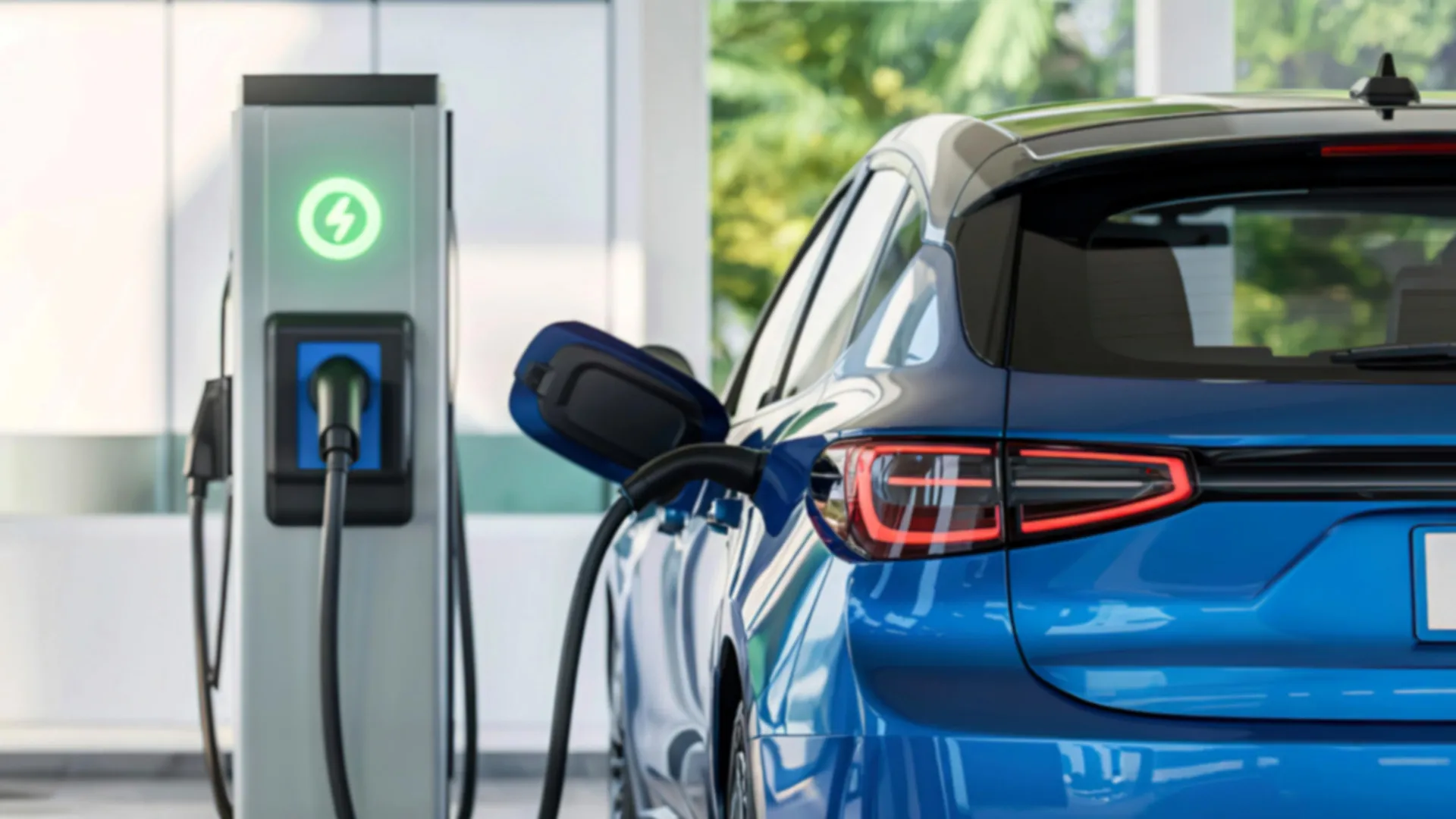
Pioneering research conducted by scientists at a prominent university has leveraged artificial intelligence to dramatically expedite the identification of novel magnetic compounds, including several previously unknown high-temperature magnets, holding immense promise for diminishing global reliance on scarce rare earth elements critical for electric vehicles and renewable energy systems.
The global push towards electrification and sustainable energy production faces a significant bottleneck: the pervasive dependence on rare earth elements for high-performance magnets. These specialized metals, while essential for modern technologies ranging from electric vehicle motors to wind turbine generators and advanced electronics, are characterized by volatile supply chains, high extraction costs, and considerable environmental impact associated with their mining and processing. Geopolitical factors further complicate their procurement, as a substantial portion of the world’s rare earth production is concentrated in a limited number of regions, creating vulnerabilities in global manufacturing and national security. Addressing this strategic challenge requires a fundamental shift in materials science, specifically the accelerated discovery of alternative magnetic compounds that can perform comparably without these critical elements.
Responding to this imperative, an interdisciplinary team of researchers has unveiled a groundbreaking approach that integrates advanced computational intelligence with extensive material science data. Their innovative methodology has culminated in the creation of a vast, meticulously curated database encompassing tens of thousands of magnetic compounds. Crucially, this endeavor has already yielded tangible results: the identification of over two dozen materials previously not recognized for their magnetic properties, particularly their ability to retain magnetism at elevated temperatures—a critical characteristic for many industrial applications. This development marks a significant stride toward overcoming the limitations of traditional materials discovery and offers a viable pathway to more sustainable technological paradigms.
Dr. Suman Itani, a lead researcher involved in the project, underscored the profound implications of this accelerated discovery process. "By dramatically reducing the timeframe for identifying viable, sustainable magnetic materials, we are not merely advancing scientific knowledge; we are directly contributing to the economic and strategic independence of critical industries," Itani articulated. "This work has the potential to significantly lower manufacturing costs for electric vehicles and various renewable energy infrastructures, while simultaneously fortifying domestic industrial capabilities against external supply chain disruptions." This perspective highlights the dual benefit of scientific advancement—both in expanding fundamental understanding and in delivering tangible economic and geopolitical advantages.
The comprehensive new repository, formally designated as the Northeast Materials Database, represents a monumental leap forward for the scientific community. It provides an unprecedented resource for researchers worldwide to systematically explore and analyze materials that form the backbone of contemporary technology. Permanent magnets, in particular, are indispensable components found in a ubiquitous array of devices, from the precision motors in robotics and medical imaging equipment to the energy conversion systems in smartphones and large-scale power generation. However, the reliance on rare earth elements for the most powerful of these magnets has become an increasingly untenable situation. Despite the vast number of known magnetic compounds, the arduous and often serendipitous nature of traditional experimental methods has meant that the discovery of entirely novel permanent magnet materials has remained exceedingly rare. The database seeks to rectify this by providing a structured, data-driven foundation for exploration.
The scientific methodology underpinning this breakthrough, detailed in a recent publication in a distinguished academic journal, elucidates the sophisticated design of the artificial intelligence system. The team engineered an AI capable of autonomously processing and interpreting a vast corpus of scientific literature. This involved training the AI to effectively "read" and extract pertinent experimental data—such as material compositions, synthesis parameters, and measured magnetic properties—from thousands of research papers. This extracted information was then meticulously structured and utilized to train advanced machine learning models. These models were designed to perform two critical functions: first, to accurately predict whether a given material exhibits magnetic properties, and second, to calculate its Curie temperature—the specific temperature at which a ferromagnetic material loses its permanent magnetism. The synthesis of these predictive capabilities with the extracted empirical data then formed the backbone of the comprehensive and readily searchable database.
The historical challenge in materials science has always been the sheer combinatorial complexity of potential elemental compositions. Researchers have long theorized the existence of numerous undiscovered magnetic materials, yet the exhaustive experimental synthesis and testing of every conceivable combination of elements—a task that could involve millions, if not billions, of permutations—is practically insurmountable within conventional laboratory settings due to prohibitive time, cost, and resource constraints. This "discovery bottleneck" has significantly hampered progress in identifying next-generation materials. The AI-driven approach fundamentally transforms this paradigm, enabling rapid, high-throughput screening of theoretical and previously documented compounds, thereby dramatically accelerating the initial stages of materials identification and characterization.
Professor Jiadong Zang, a co-author of the study, articulated the ambitious scope of their endeavor: "We are confronting one of the most formidable and pressing challenges within contemporary materials science—the urgent need to uncover sustainable alternatives to the current generation of permanent magnets. Our optimism stems from the demonstrable power of our meticulously constructed experimental database, coupled with the continuously evolving capabilities of our AI technologies. We firmly believe that this integrated approach renders this ambitious objective not only achievable but within reach in the near future." This statement underscores the team’s confidence in the synergistic relationship between robust data infrastructure and advanced computational methods.
Beyond its immediate application in magnetic materials discovery, the research team, which also includes Dr. Yibo Zhang, a postdoctoral researcher with expertise spanning physics and chemistry, envisions a much broader utility for the sophisticated large language model (LLM) developed during this project. The core capabilities of this AI—its ability to comprehend, extract, and synthesize information from unstructured text—are highly transferable across various scientific and educational domains. In higher education, for instance, such technology could revolutionize the preservation and accessibility of knowledge. Imagine an LLM capable of autonomously converting historical scientific texts, diagrams, and even handwritten notes into modern, searchable, and interoperable digital formats. This would not only safeguard invaluable archival collections but also unlock previously inaccessible data for new analyses, fostering interdisciplinary research and enriching pedagogical resources. The potential for automating the creation of literature reviews, summarizing complex research papers, or even aiding in the development of new curricula is substantial.
The ramifications of this breakthrough extend far beyond academic curiosity. For the electric vehicle industry, the prospect of rare earth-free magnets means a more resilient and cost-effective supply chain, potentially accelerating mass adoption by reducing vehicle costs and increasing manufacturing stability. For renewable energy, particularly in wind turbines which rely heavily on large rare earth magnets for efficient power generation, sustainable alternatives could drive down the cost of green energy, making it more competitive and facilitating wider deployment. Furthermore, the ability to develop these materials domestically or within allied nations strengthens economic sovereignty and mitigates the risks associated with global supply chain disruptions, enhancing national security interests.
The project received critical financial and infrastructural backing from the Office of Basic Energy Sciences, a division within the U.S. Department of Energy’s Office of Science. This strategic investment highlights the recognition at a national level of the profound importance of fundamental research in materials science for addressing key energy and economic challenges. Such governmental support is instrumental in fostering high-risk, high-reward research initiatives that possess the potential to yield transformative societal benefits.
In conclusion, the integration of artificial intelligence into the venerable field of materials science marks a pivotal moment. The creation of the Northeast Materials Database and the identification of new high-temperature magnetic compounds underscore the immense potential of AI to accelerate scientific discovery, tackle complex global challenges, and usher in an era of more sustainable and resilient technological development. By moving beyond the traditional constraints of rare earth elements, this research not only promises to redefine the landscape of electric vehicles and renewable energy but also exemplifies the transformative power of intelligent systems in shaping a more sustainable future for humanity.



 Lisa Mariana
 Aura Kasih



 Ridwan Kamil