Ridwan Kamil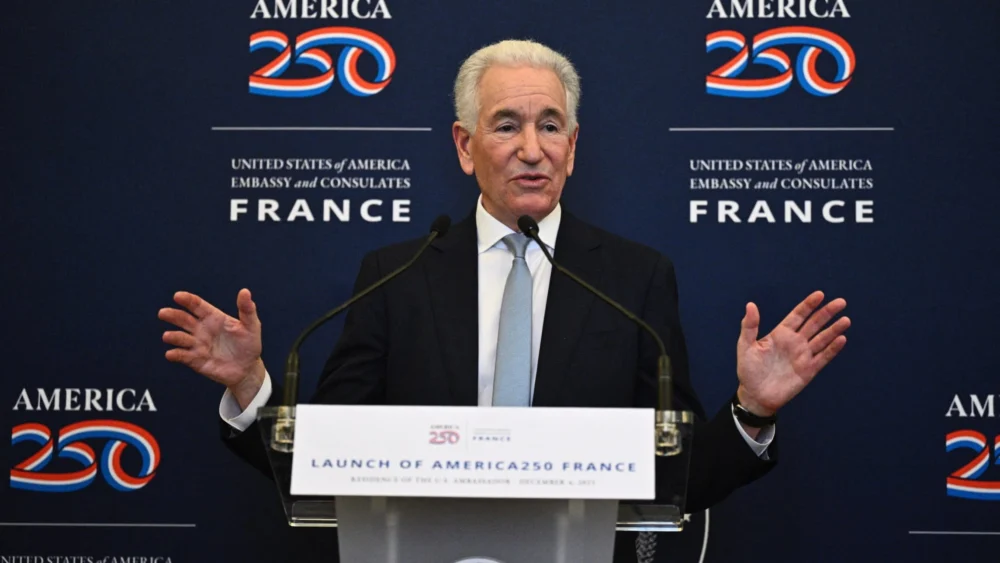
In a significant diplomatic maneuver, the French government has dramatically curtailed official interactions with United States envoy Charles Kushner, a move widely interpreted as a strong rebuke following a perceived diplomatic oversight during a recent high-level delegation visit. This decisive action signals a deepening strain in bilateral relations, underscoring the critical importance of protocol and mutual respect in international diplomacy.
The reported incident, which has led to Paris’s unprecedented decision to significantly limit government access for Mr. Kushner, stems from an alleged failure to extend appropriate courtesies during a recent engagement involving a high-ranking American delegation. While specific details surrounding the exact nature of the alleged snub remain undisclosed by official channels, sources close to the French Ministry of Foreign Affairs indicate that the perceived disregard for established diplomatic norms and protocols has been met with profound disappointment and a firm response. This punitive measure, which effectively places Mr. Kushner in a diplomatic quasi-persona non grata status within French official circles, is not merely a symbolic gesture but a tangible recalibration of diplomatic engagement. It reflects a deliberate strategy by the French government to emphasize the gravity of the perceived slight and to assert its expectations for respectful and reciprocal diplomatic conduct. The ramifications of this decision extend beyond the immediate bilateral relationship, potentially influencing broader transatlantic dynamics and setting a precedent for how nations address perceived slights in the complex tapestry of international relations.
The decision by the French government to impose such stringent restrictions on a United States envoy is a rare and potent demonstration of diplomatic displeasure. It signals a deliberate and calculated move to convey the seriousness with which Paris views the alleged diplomatic infraction. The immediate consequence is a significant reduction in Mr. Kushner’s ability to engage with French government officials, effectively hindering his diplomatic mission and any initiatives he might be pursuing on behalf of the United States. This action is not taken lightly by any sovereign nation, particularly between long-standing allies like France and the United States. It suggests that the alleged snub was not a minor procedural misstep but a perceived fundamental disrespect that warranted a strong retaliatory measure.
Background and Diplomatic Norms
International diplomacy operates on a delicate framework of established protocols, unwritten rules, and mutual respect. These norms, honed over centuries of statecraft, are essential for fostering trust, facilitating communication, and ensuring the smooth functioning of international relations. Senior diplomats and envoys are expected to adhere to these conventions rigorously, understanding that their conduct reflects not only on their personal standing but also on the prestige and intentions of their home government.
The perceived snub involving Mr. Kushner appears to have violated these unwritten tenets. While the precise nature of the incident remains under wraps, it is understood to have involved a failure to accord the appropriate level of diplomatic recognition or courtesy to French counterparts or to adhere to established protocols during a visit. In diplomatic circles, such oversights can range from failing to inform relevant parties of a visit in a timely manner, to neglecting to include key officials in discussions, or even more overt displays of disrespect. The French response suggests the infraction was significant enough to warrant a severe reaction, signaling a deep-seated concern about the foundational principles of diplomatic engagement.
Charles Kushner, as a United States envoy, carries a significant portfolio. His role typically involves representing American interests, fostering bilateral cooperation, and navigating complex geopolitical landscapes. The restrictions imposed by France will undoubtedly impede his effectiveness in these capacities within the French context, potentially impacting areas of shared interest such as economic cooperation, security dialogues, and cultural exchanges. The reciprocal nature of diplomatic engagement means that such actions can have ripple effects, prompting other nations to reassess their own interactions and potentially leading to a broader chilling effect on diplomatic communication.
Expert Analysis and Implications
This diplomatic impasse between France and the United States warrants careful analysis from several perspectives. Firstly, it highlights the enduring importance of protocol in international relations. In an era often characterized by rapid communication and informal interactions, the foundational rules of diplomacy remain critical. They serve as guardrails, ensuring that even in times of disagreement, a framework for respectful dialogue is maintained. The French reaction underscores the belief that a breakdown in protocol can be interpreted as a breakdown in respect, leading to significant diplomatic fallout.
Secondly, the decision by France could be viewed as a strategic assertion of its diplomatic standing. As a major global power with a long and distinguished history of diplomacy, France is unlikely to tolerate perceived slights that undermine its position on the international stage. This action can be interpreted as a message to both the United States and other global actors that France expects to be treated with the deference and respect due to its status.
Thirdly, the incident raises questions about the current state of transatlantic relations. While France and the United States are long-standing allies with deep historical ties, diplomatic frictions are not uncommon. However, the severity of this particular action suggests a potential undercurrent of dissatisfaction or a miscalculation in diplomatic engagement that has escalated beyond minor disagreements. It may indicate a need for recalibration in how diplomatic engagements are planned and executed between the two nations, emphasizing clearer communication and a more thorough understanding of each other’s diplomatic sensitivities.
The implications of this move are multifaceted. For Mr. Kushner and his immediate diplomatic objectives in France, the impact will be substantial. His ability to build consensus, gather intelligence, and advocate for American interests will be significantly hampered. This could lead to delays or even the derailment of ongoing initiatives. More broadly, this incident could lead to a period of introspection within the US diplomatic corps regarding its engagement strategies with key European partners. It may prompt a review of training and protocols to ensure that similar situations are avoided in the future.
Furthermore, the international community will be observing this situation closely. Allies and adversaries alike will be assessing how this diplomatic dispute is managed and resolved. The way France and the United States navigate this challenge could influence perceptions of their diplomatic agility and the strength of their bilateral relationship. It may also set a precedent for how other nations respond to perceived diplomatic slights, potentially leading to a more assertive stance on protocol and respect in international interactions.
Future Outlook and Potential Resolutions
The resolution of this diplomatic impasse will depend on a variety of factors. A primary step towards de-escalation would likely involve clear communication and an acknowledgment of the situation by both sides. This could entail private diplomatic channels being utilized to address the root cause of the perceived snub and to find a mutually agreeable path forward.
Potential avenues for resolution might include a formal apology from the United States, or a clarification of the circumstances surrounding the alleged oversight that satisfies the French government. Alternatively, France might indicate a willingness to gradually restore full diplomatic access once sufficient assurances have been received regarding future diplomatic conduct. The duration of these restrictions will likely be contingent on the perceived sincerity and effectiveness of these resolutions.
It is also possible that this incident could lead to a broader reassessment of diplomatic engagement protocols between the two nations. Both Paris and Washington may seek to implement more robust mechanisms for pre-visit consultations and for ensuring that all parties are fully briefed on the nuances of diplomatic etiquette and cultural sensitivities. This could involve enhanced training for diplomats and a more structured approach to intergovernmental meetings.
The long-term impact on the Franco-American relationship remains to be seen. While diplomatic disputes can be challenging, they can also serve as catalysts for strengthening bilateral ties by fostering a deeper understanding of each other’s expectations and priorities. The ability of both nations to navigate this situation with maturity and a commitment to their shared alliance will be crucial in determining the ultimate outcome. The incident serves as a stark reminder that in the complex arena of international diplomacy, even seemingly minor breaches of protocol can have significant and far-reaching consequences. The careful cultivation of mutual respect and adherence to established norms are not mere formalities, but essential pillars upon which enduring international relationships are built. The current situation in Paris with respect to US envoy Charles Kushner underscores this enduring truth, highlighting the delicate balance of power, protocol, and perception that defines global statecraft.



 Lisa Mariana
 Aura Kasih