
 Aura Kasih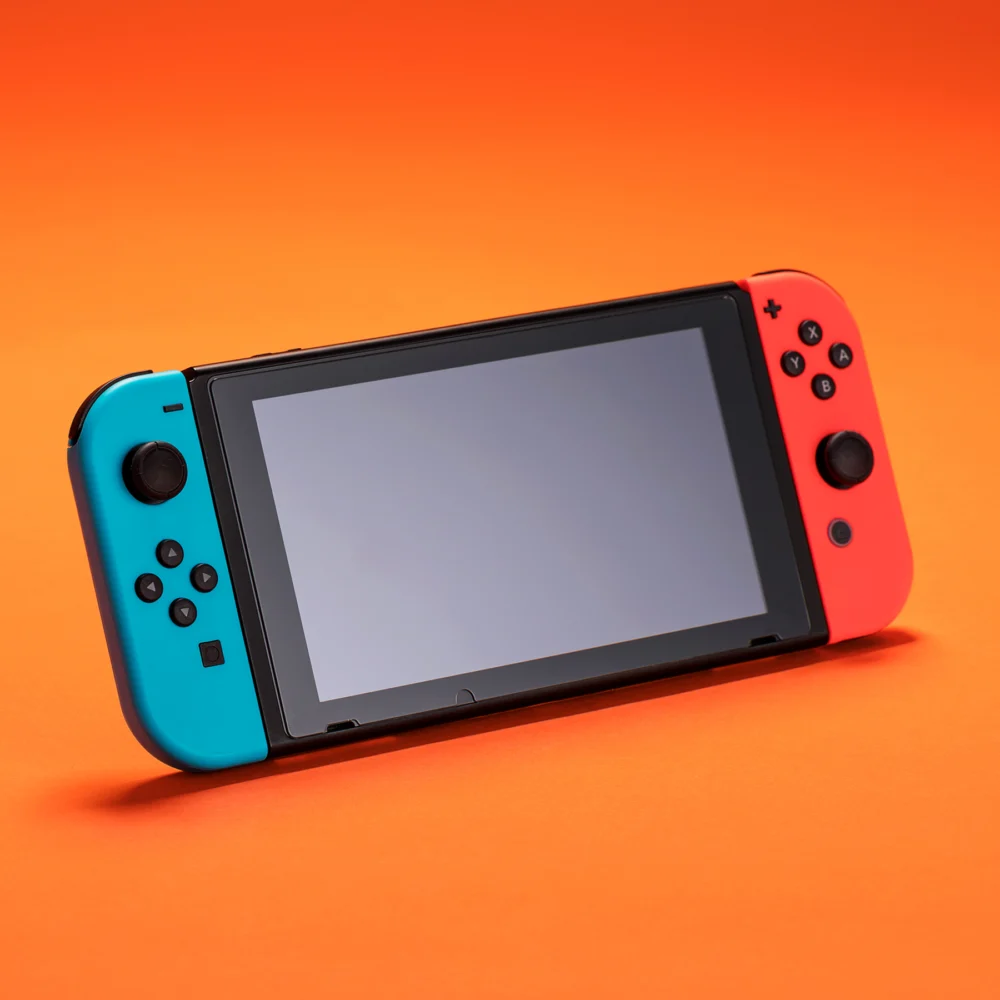
In a landmark achievement for the gaming industry, Nintendo’s innovative hybrid console, the Nintendo Switch, has officially ascended to the throne as the company’s all-time best-selling hardware platform, surpassing the monumental legacy of the Nintendo DS. This historic sales surge, meticulously detailed in Nintendo’s latest financial disclosures for the period ending December 31, 2025, reveals that the original Nintendo Switch has collectively found homes with an astonishing 155.37 million consumers worldwide. This figure eclipses the 154.02 million units sold by the beloved Nintendo DS, a handheld console that itself redefined portable gaming for a generation upon its release in 2004.
The trajectory towards this sales supremacy has been a subject of keen observation within the gaming community. As recently as November, Nintendo’s earnings reports indicated that the Switch and the DS were engaged in a nail-biting race for the top spot, with their lifetime sales figures standing remarkably close. The anticipation for the critical holiday sales period, a time when consumer spending on electronics traditionally peaks, was palpable. It was widely foreseen that this festive season would be the catalyst for the Switch to finally outpace its predecessor, even as Nintendo strategically pivots its primary development focus towards its next-generation console, the Switch 2. This strategic foresight is underpinned by Nintendo’s previously stated commitment to continue offering the original Switch to consumers, a decision contingent upon ongoing market demand and the prevailing economic landscape.
The relentless sales performance of the Nintendo Switch is not merely a testament to its own success but also a critical stepping stone in Nintendo’s broader ambition to conquer the all-time console sales charts. The ultimate prize in this arena remains Sony’s PlayStation 2, a console that commanded an unparalleled market presence, selling in excess of 160 million units during its extensive 13-year run before its discontinuation in January 2013. For Nintendo to ascend to this ultimate perch, sustained momentum for the Switch, and by extension its successor, is imperative.
The introduction of the Switch 2 has demonstrably injected a fresh wave of enthusiasm into Nintendo’s sales figures, particularly over the recent holiday quarter. This period, spanning from October to December, witnessed a remarkable surge in Switch 2 unit sales, reaching an impressive 7.01 million units. This represents a significant increase compared to the 4.54 million units sold in the preceding quarter, underscoring the holiday season’s potent impact on consumer purchasing decisions. Cumulatively, since its strategic launch in June 2025, the Switch 2 has already achieved remarkable traction, selling a total of 17.37 million units. This rapid adoption rate has allowed the Switch 2 to swiftly surpass the lifetime sales of the Wii U, a console that, despite its unique concept, ultimately sold 13.7 million units over its entire market presence. This rapid sales velocity for the Switch 2 not only signifies its immediate market appeal but also suggests a strong foundation for its long-term success and its potential to contribute significantly to Nintendo’s overall sales dominance.

This robust performance across both the established Switch and the nascent Switch 2 has had a profound and transformative effect on Nintendo’s financial standing. The company has reported a substantial 51 percent surge in net profit for the initial nine months of the fiscal year 2026, culminating in a net profit of ¥358.86 billion, equivalent to approximately $2.31 billion USD. The impact on net sales has been equally dramatic, with figures nearly doubling during the same nine-month period. Net sales climbed to an impressive ¥1.906 trillion (approximately $12.2 billion USD), a significant leap from the ¥956.2 billion ($6.1 billion USD) recorded in the prior year. Looking ahead, Nintendo remains steadfast in its financial projections, maintaining its forecast to achieve the sale of 19 million Switch 2 units by the conclusion of the current fiscal year. This optimistic outlook suggests a continued period of strong financial performance and market leadership for the Japanese gaming giant.
The Nintendo Switch’s journey from its inception in March 2017 to its current status as a sales juggernaut is a narrative rich with innovation, strategic marketing, and an unwavering commitment to unique gaming experiences. Launched at a time when the console market was dominated by established players with distinct strategies – Sony’s PlayStation 4 focusing on powerful, immersive single-player experiences and Microsoft’s Xbox One emphasizing multimedia integration and a robust online ecosystem – Nintendo charted a daringly different course. The Switch’s core proposition was its groundbreaking hybrid nature: a home console capable of seamless transition into a portable handheld device. This duality, coupled with a carefully curated library of first-party titles that emphasized fun, accessibility, and innovative gameplay mechanics, resonated deeply with a broad spectrum of gamers, from dedicated enthusiasts to casual players.
The console’s success can be attributed to several key factors. Firstly, the "play anywhere, anytime" philosophy inherent in its design addressed a growing consumer desire for flexibility in their entertainment consumption. Busy professionals could squeeze in gaming sessions during their commute, families could gather around the TV for multiplayer fun, and individuals could retreat into immersive worlds on their own terms. This adaptability proved to be a significant differentiator in a crowded market.
Secondly, Nintendo’s unwavering commitment to its iconic intellectual properties played an instrumental role. Titles such as The Legend of Zelda: Breath of the Wild, Super Mario Odyssey, and Animal Crossing: New Horizons were not merely games; they were cultural phenomena. These releases consistently garnered critical acclaim and commercial success, acting as powerful system-sellers that drew players to the platform and kept them engaged for extended periods. The ability of these games to appeal to diverse age groups and gaming preferences ensured a wide and sustained demand for the Switch hardware.
Furthermore, Nintendo’s strategic approach to third-party support, while historically a point of contention for some, evolved significantly with the Switch. While not always securing the most graphically demanding multi-platform releases, Nintendo fostered strong relationships with developers who embraced the Switch’s unique capabilities. This resulted in a rich and varied software library that offered something for everyone, from indie darlings to beloved JRPGs and unique experimental titles.

The emergence of the Switch 2, strategically introduced in mid-2025, marks a pivotal moment in Nintendo’s ongoing hardware evolution. The swift sales of the Switch 2, exceeding initial expectations and quickly surpassing the lifetime sales of the Wii U, indicate a strong consumer appetite for Nintendo’s next iteration of its hybrid concept. While specific technical specifications and architectural details of the Switch 2 are subject to ongoing market analysis, its rapid ascent suggests a refined iteration of the core hybrid philosophy, potentially incorporating enhanced graphical capabilities, improved processing power, and further advancements in user interface and connectivity, while crucially retaining the beloved versatility of its predecessor.
The financial implications of this sales triumph are profound. The substantial increase in net profit and net sales signifies Nintendo’s robust financial health and its ability to reinvest in research and development, content creation, and marketing initiatives. This financial strength is crucial for maintaining its competitive edge in the dynamic global gaming market. The company’s continued forecast of selling 19 million Switch 2 units by the end of the current fiscal year underscores a confident outlook for its next-generation hardware, suggesting that the momentum generated by the original Switch is poised to carry forward.
Looking ahead, the challenge for Nintendo is to maintain this upward trajectory. The pursuit of dethroning the PlayStation 2 as the best-selling console of all time is a significant, yet achievable, goal. The continued success of the Switch 2, coupled with Nintendo’s proven ability to deliver compelling exclusive software, will be paramount. The company must also navigate the evolving landscape of gaming, which includes the increasing prominence of cloud gaming services, subscription models, and the ongoing development of virtual and augmented reality technologies.
Nintendo’s strategic decision to continue supporting the original Switch alongside the Switch 2 demonstrates a nuanced understanding of market segmentation and consumer choice. This dual-platform approach allows Nintendo to cater to a wider range of price points and preferences, ensuring that its ecosystem remains accessible to a broad audience. It also provides a familiar entry point for consumers who may be transitioning from the original Switch to its successor.
The narrative of the Nintendo Switch is more than just a story of impressive sales figures; it is a testament to Nintendo’s enduring commitment to innovation, its mastery of game design, and its unique ability to connect with consumers on an emotional level. As the company continues to chart its course in the ever-evolving world of interactive entertainment, the legacy of the Nintendo Switch as its best-selling console of all time serves as a powerful foundation for future endeavors, solidifying its position as a true titan of the gaming industry. The ongoing performance of the Switch 2 further reinforces this position, suggesting that Nintendo’s innovative spirit remains undimmed and its capacity for market leadership is as strong as ever. The company’s ability to consistently deliver engaging and accessible experiences, coupled with its shrewd business strategies, positions it for continued success in the years to come, potentially rewriting the history books of video game console sales once again.




 Ridwan Kamil


 Lisa Mariana