Lisa Mariana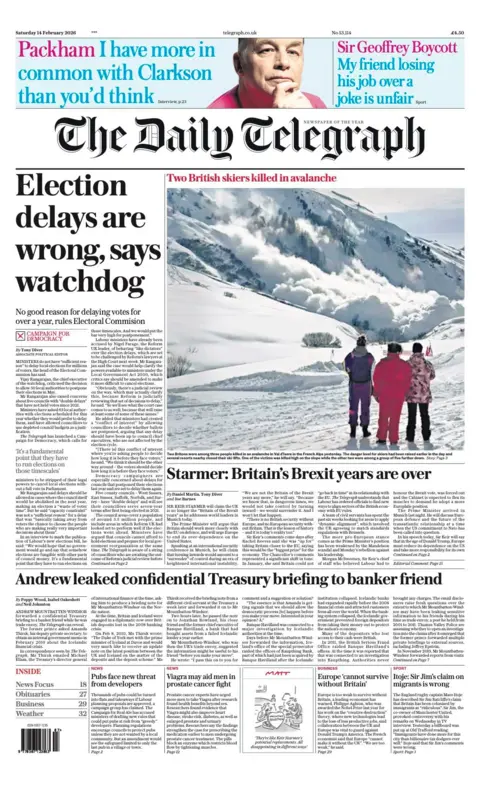
A pivotal High Court judgment has invalidated the government’s proscription of the activist group Palestine Action, a decision that not only challenges the executive’s authority in counter-terrorism legislation but also casts a shadow of uncertainty over the legal status of thousands previously apprehended for their affiliation with the organisation. This significant legal development unfolds against a backdrop of diverse national events, including a triumphant gold medal for Great Britain at the Winter Olympics, intensified political sparring over electoral integrity and party ideologies, and continued scrutiny of high-profile figures within both political and royal spheres.
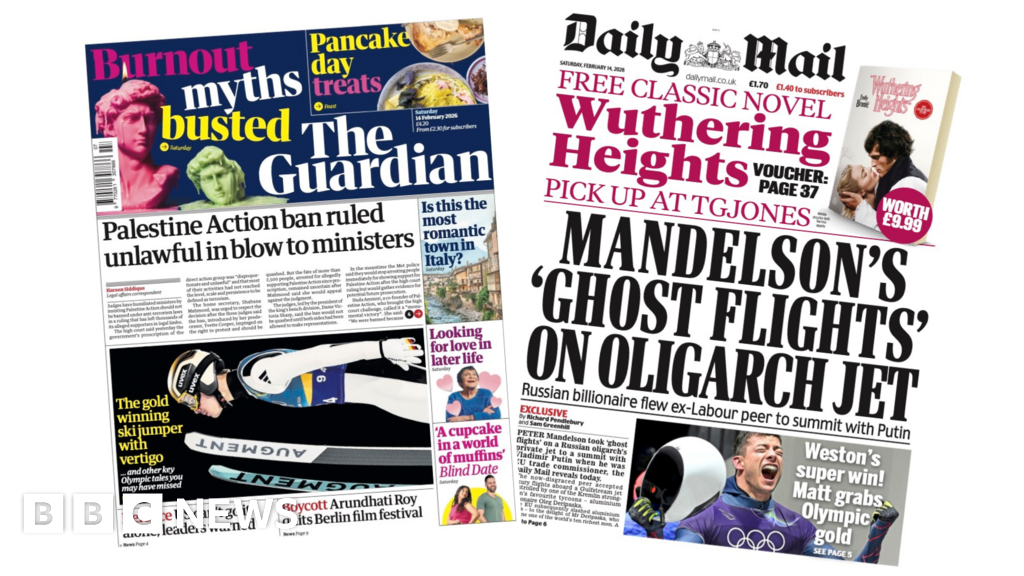
The ruling, delivered on Friday, marks a substantial legal and political setback for the government, specifically impacting the Home Office and its incumbent secretary, Shabana Mahmood. The High Court determined that the initial decision to designate Palestine Action under anti-terrorism statutes lacked sufficient legal basis, thereby rendering the proscription unlawful. Palestine Action, a direct-action network, has gained prominence through its disruptive protests targeting companies in the United Kingdom alleged to be supplying military technology to Israel. Their tactics frequently involve property damage and sustained occupations, leading to numerous arrests and legal proceedings. The government’s decision to classify them under anti-terrorism laws had been widely contested by civil liberties advocates, who argued that such a move disproportionately curtailed freedom of expression and assembly, blurring the lines between legitimate protest and genuine threats to national security.
The Home Secretary has promptly announced her intention to appeal the High Court’s decision, signaling a sustained legal battle that will further test the boundaries of governmental power in managing dissent. The immediate consequence of this legal limbo is the indeterminate fate of an estimated 2,500 individuals who have faced arrest and potential prosecution in connection with their support for or participation in Palestine Action’s activities. Should the High Court’s ruling ultimately stand, it could lead to the quashing of charges, reviews of existing convictions, and a broader re-evaluation of how protest movements are classified and policed within the UK. This scenario poses complex legal challenges for the Crown Prosecution Service and demands clarity on the retroactive application of the High Court’s findings. Experts suggest that the appeal will likely scrutinise the procedural correctness of the initial proscription decision, the evidentiary standards applied, and the interpretation of "terrorism" within the context of non-violent, albeit disruptive, protest. The outcome will undoubtedly set a precedent for future interactions between the state and activist groups, potentially emboldening other organisations to challenge designations perceived as politically motivated or legally unsound.
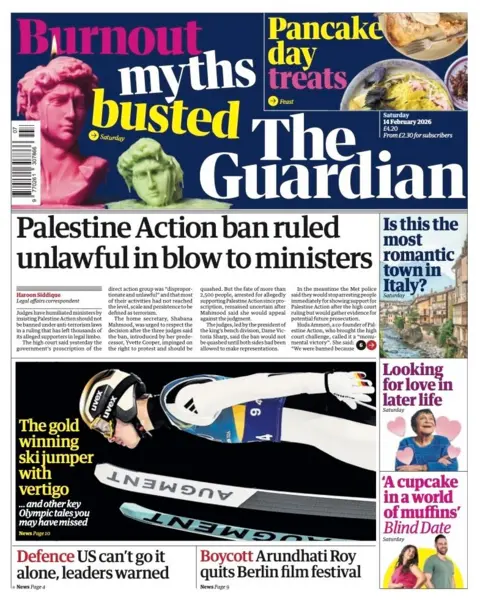
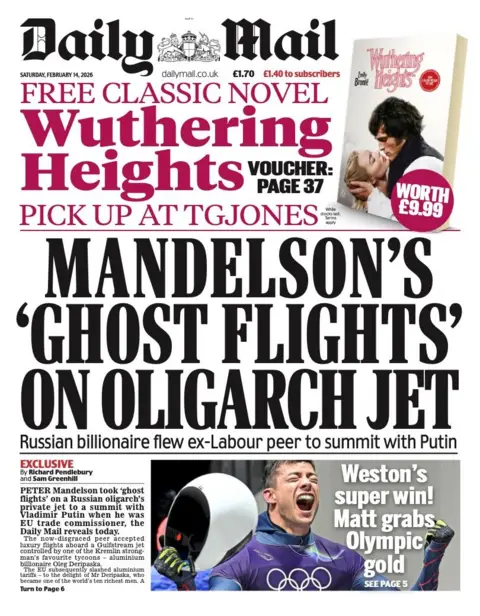
In stark contrast to the intricate legal and political machinations, the nation celebrated a moment of pure sporting excellence as British skeleton racer Matt Weston secured an Olympic gold medal at the Winter Games in Italy. This monumental achievement represents Team GB’s inaugural medal of the current games, injecting a much-needed surge of national pride and recognition for winter sports. Weston’s victory, a testament to years of rigorous training, precision, and unwavering dedication, highlights the exceptional talent within British sport, particularly in disciplines often overshadowed by more mainstream athletic pursuits. Skeleton racing, a high-speed, head-first descent down an ice track, demands immense courage, technical skill, and split-second decision-making. Weston’s triumph not only elevates his personal legacy but also serves as an inspiration for aspiring athletes across the country, potentially drawing greater interest and investment into British winter sports programmes. The elation surrounding his gold medal momentarily diverted national attention from the more contentious issues dominating political discourse.
Meanwhile, the political arena remains charged with a series of unfolding narratives. Lord Mandelson, a former European Union trade commissioner, has been drawn into controversy following allegations that he utilised a private jet belonging to a Russian oligarch for travel to a summit with Russian President Vladimir Putin in 2004. The Mail, which brought these claims to light, suggests these were "ghost flights," raising questions about the propriety of such arrangements for a serving public official. The Conservative Party has swiftly called for a thorough investigation, citing the disturbing nature of the revelations and hinting at potential conflicts of interest. Lord Mandelson, for his part, has stated he cannot recall the travel arrangements from such a distant period. This incident resurrects perennial debates about transparency, ethical conduct in public office, and the potential for undue influence from external actors, particularly those with ties to foreign governments. The timing of these allegations adds another layer of scrutiny to historical political dealings, further complicating the pre-election landscape.
In another significant political development, Prime Minister Sir Keir Starmer is poised to deliver a keynote address at the prestigious Munich Security Conference, where he intends to launch his most forceful critique yet against the Reform UK and Green Party. Starmer plans to label both parties as "ideological extremists" whose policies and platforms would "undermine Britain’s national security." The Munich Security Conference, a pivotal global forum for discussing international security policy, provides a powerful platform for such pronouncements, underscoring the gravity with which Starmer views the perceived threats from these political rivals. This strategic attack aims to delineate clear ideological boundaries ahead of an anticipated general election, seeking to consolidate the centrist vote and position his party as the sole credible custodian of national interest. Reform UK has dismissed Starmer’s comments as the desperate cries of a "prime minister on the verge of being hounded out of office," while the Green Party retorted that he is a "caretaker prime minister running scared." These sharp retorts signify an escalating rhetoric across the political spectrum, indicative of a highly polarised and competitive electoral environment. The substance of Starmer’s claims will be dissected by analysts, examining how he frames the alleged national security risks posed by Reform UK’s populist nationalism and the Green Party’s often pacifist or environmentally focused foreign policy stances.
Concerns over democratic integrity have also been voiced by the Electoral Commission, with its chief executive, Vijay Rangarajan, criticising ministers for sanctioning the postponement of local elections in 30 authorities slated for May. Rangarajan asserts that the government’s stated reasons, primarily the administrative and financial burdens associated with a major overhaul of local government structures, do not constitute sufficient justification to disenfranchise voters. He further highlighted a perceived "conflict of interest" arising from allowing incumbent councillors to decide on the deferral of elections that would determine their own tenures. While the government maintains that the "vast majority" of elections will proceed as planned, this intervention from the independent watchdog underscores fundamental questions about democratic accountability, voter rights, and the executive’s role in electoral processes. The controversy raises a broader debate about the balance between administrative convenience and the imperative of regular, uninterrupted democratic participation, especially at the local governance level which is often seen as the bedrock of civic engagement.
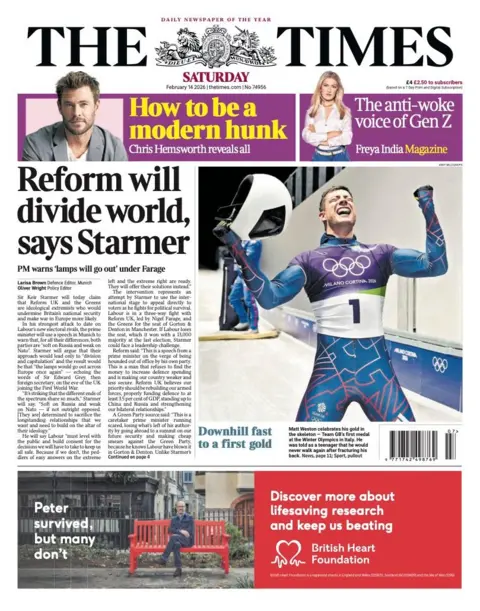
The scrutiny of the Royal Family persists, particularly concerning Andrew Mountbatten-Windsor and his historical associations. The Times reports that Thames Valley Police have engaged in "informal discussions" with government officials regarding emails and documents potentially linking Mountbatten-Windsor to Jeffrey Epstein. These discussions are aimed at assessing whether there are sufficient grounds to initiate a formal investigation into allegations that the former prince may have leaked confidential information to the convicted sex offender. Mountbatten-Windsor has consistently and strenuously denied any wrongdoing in relation to Epstein. Adding to the familial tensions, the Mirror alleges that Prince William, now Prince of Wales, confronted both King Charles III and the late Queen Elizabeth in 2019, expressing his belief that his uncle’s infamous BBC Newsnight interview rendered him a "threat to the monarchy" and a "stain on the family." Furthermore, the i Weekend reveals that a former royal protection officer has volunteered to assist police inquiries into Mountbatten-Windsor’s links with Epstein, suggesting a deeper and more complex web of interactions than previously understood. These revelations collectively maintain a cloud of public and legal uncertainty over Mountbatten-Windsor, highlighting the monarchy’s ongoing efforts to navigate contemporary challenges to its reputation and integrity.
In lighter but equally intriguing news, the chief executive of London’s Heathrow Airport, Thomas Woldbye, offered an unusual explanation for the perception of overcrowding. He posited in the Financial Times that the terminals often feel more congested than they are due to cultural differences in pedestrian flow, specifically citing that "all the British people keep to the left and normally Europeans keep to the right," leading to frequent collisions and a general sense of disarray. This anecdotal observation underscores the subtle complexities of managing one of the world’s busiest air travel hubs, where cultural norms can unexpectedly impact operational efficiency and passenger experience.
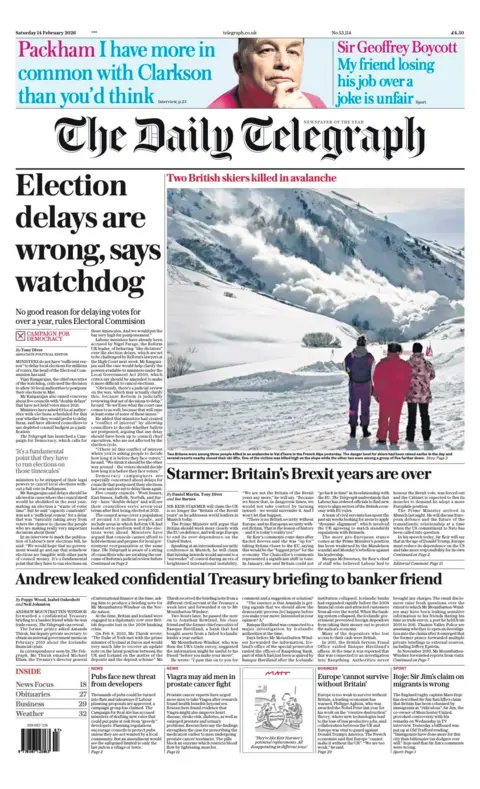
The world of celebrity also captured headlines, with renowned chef Gordon Ramsay reportedly stepping in as a "peacemaker" between Brooklyn Beckham and his parents, Sir David and Lady Victoria Beckham, following an alleged "bitter falling-out." Ramsay, a close family friend, reportedly advised Brooklyn to "remember where he came from," a sentiment that resonates broadly regarding public figures and their personal relationships. This narrative taps into the public’s fascination with celebrity families and the challenges of maintaining privacy and familial harmony under intense media scrutiny.
On a note of national appreciation, the Express newspaper launched a campaign advocating for the recognition of emergency workers with a dedicated medal, honouring those who "put their lives on the line" for public safety. This initiative seeks to formalise gratitude for the unwavering courage and dedication of frontline personnel, proposing a new national honour alongside existing commendations.

Finally, the Daily Star featured "race ace" jockey Ruby Walsh as a guest editor for its Saturday edition, a move designed to celebrate the vibrant world of horse racing. Walsh, a legendary figure in the sport, unequivocally declared "Cheltenham’s the best of Britain," highlighting the enduring appeal and cultural significance of the Cheltenham Festival, a highlight of the racing calendar.
Collectively, these varied reports paint a detailed picture of a nation grappling with significant legal challenges to governmental authority, celebrating athletic triumphs, navigating complex political rivalries, contending with ongoing royal controversies, and reflecting on broader societal values from celebrity conduct to public service recognition. The interplay of these diverse narratives underscores a dynamic and often contentious public sphere, where judicial oversight, democratic processes, and national identity are continuously being debated and redefined.


 Ridwan Kamil
 Aura Kasih
 Ayu Aulia