Lisa Mariana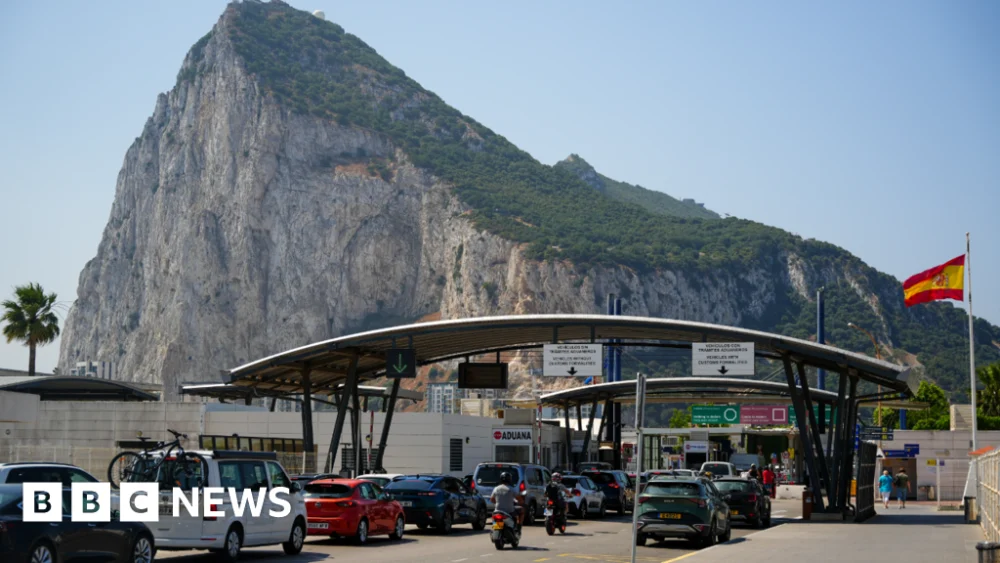
A transformative agreement has been brokered between the United Kingdom and the European Union, poised to redefine border protocols at Gibraltar’s land frontier with Spain, mandating passport scrutiny of British nationals by Spanish authorities as part of a comprehensive post-Brexit settlement. This intricate arrangement seeks to introduce a much-needed layer of predictability and operational fluidity for the British Overseas Territory, navigating the complex geopolitical landscape nearly a decade after the United Kingdom’s departure from the European Union cast its unique status into considerable uncertainty. The imperative for such a resolution intensified significantly in the lead-up to the impending full implementation of the European Union’s enhanced external border checks on non-Schengen travellers, slated for April.
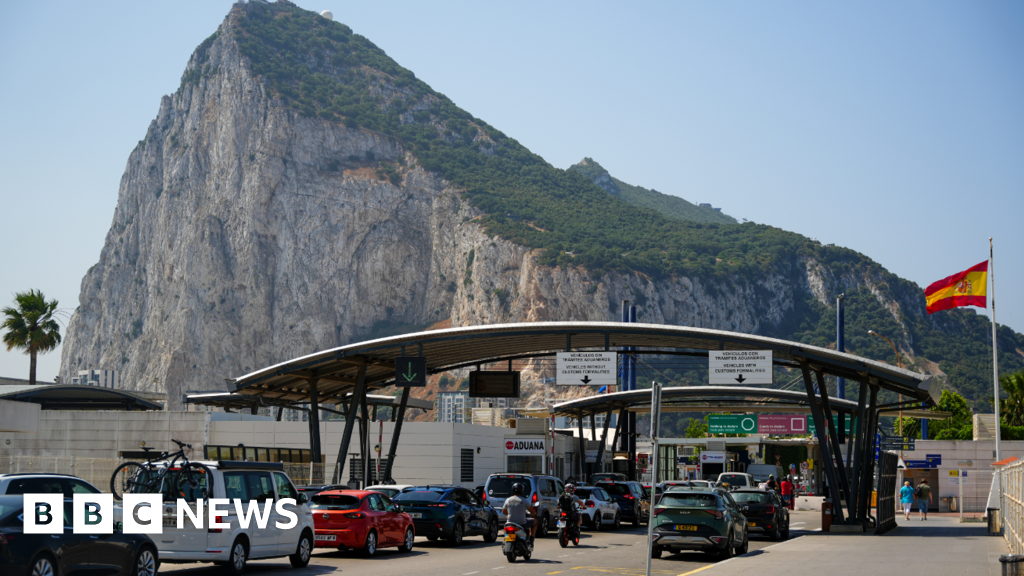
The core of this novel framework stipulates that Gibraltar will not formally integrate into the Schengen Area, the expansive passport-free zone encompassing 29 primarily EU member states, including Spain. Instead, the agreement outlines a sophisticated multi-tiered inspection system. Gibraltarian officials will conduct initial border controls, followed by Spanish authorities executing "second line" Schengen-equivalent checks within a designated special zone. This innovative approach grants Spanish border personnel explicit powers to apprehend, search, and interrogate individuals where such actions are deemed warranted in the course of border control operations, as delineated within the treaty’s provisional text. The overarching objective of this meticulously crafted system is the eventual dismantlement of physical border infrastructure separating Gibraltar from Spain, a crossing point traversed daily by approximately half of the Rock’s substantial workforce.
The British government has drawn parallels between this forthcoming system and the established procedures at London’s St Pancras International station, where Eurostar passengers undergo concurrent inspections by both British and French officials prior to boarding services bound for continental Europe. This analogy underscores an aspiration for seamless transit, despite the inherent complexities of juxtaposed border controls between sovereign territories. The significance of unimpeded access is particularly acute for Gibraltar’s burgeoning tourism sector, with British nationals constituting a predominant segment of its visitors, accounting for an overwhelming 86.5% of all departures from its international airport in 2024, according to the territory’s most recent tourism survey.
Historical Context and the Genesis of the Agreement
The unique political and geographical position of Gibraltar has long been a focal point of Anglo-Spanish relations. Ceded to Britain under the Treaty of Utrecht in 1713, its strategic location at the mouth of the Mediterranean has rendered it a critical military and economic outpost. However, this historical legacy has also fueled an enduring sovereignty dispute with Spain, which considers Gibraltar an integral part of its national territory. Following the 2016 Brexit referendum, which saw 96% of Gibraltarians vote to remain in the EU, the territory faced an existential crisis. Its economic model, heavily reliant on an open border with Spain for cross-border workers and frictionless trade, was immediately imperiled by the UK’s withdrawal from the EU’s single market and customs union.
For years post-Brexit, an interim understanding allowed for relatively smooth crossings, but the looming application of the EU’s new automated Entry/Exit System (EES) and European Travel Information and Authorisation System (ETIAS) threatened to impose stringent biometric checks on non-EU citizens, including British nationals and Gibraltarians. This prospect, described by the UK as potentially "devastating" for Gibraltar’s economy, served as a powerful catalyst for intensified diplomatic efforts. The Rock’s Chief Minister, Fabian Picardo, articulated the pressing need for this agreement, emphasizing its role in providing "the certainty our people and businesses need" to plan for future prosperity and stability.
Operational Modalities and Sovereignty Considerations
The proposed "second line" border checks by Spanish authorities represent a delicate balancing act between EU border integrity requirements and the UK’s commitment to upholding Gibraltar’s sovereignty. While Gibraltar will not officially accede to the Schengen Area, the practical effect for travellers will largely mimic the experience of entering the zone. The distinction lies in the locus of ultimate control and the legal framework underpinning the checks. Gibraltarian officials will retain primary responsibility for their own border, with Spanish intervention occurring subsequently within a specified area, thereby preserving the appearance, if not always the practical reality, of distinct sovereign control.
The specific powers granted to Spanish guards—including arrest, search, and interview—have naturally prompted scrutiny. Critics and opposition figures in the UK, such as Conservative shadow minister Wendy Morton, have rightly called for "proper scrutiny" of the treaty text, raising concerns about potential "operational overreach" by Spanish police. This apprehension is not without historical precedent, given past instances of Spanish authorities tightening border checks, leading to significant delays and diplomatic friction. The successful implementation of this agreement will hinge on the establishment of robust protocols and mechanisms to prevent such instances and ensure that the exercise of these powers remains strictly within the agreed parameters, avoiding arbitrary actions or unnecessary disruptions. The detailed delineation of the "special zone" and the chain of command for border operations will be critical in mitigating these risks.
Economic Ramifications and Future Prospects
The economic implications of this agreement are profound, particularly for Gibraltar’s diversified economy, which spans financial services, shipping, tourism, and online gaming. The removal of border infrastructure and the promise of smoother crossings are expected to significantly benefit the daily flow of thousands of Spanish workers who commute into Gibraltar, as well as the flow of tourists, predominantly from the UK. This frictionless movement is essential for maintaining Gibraltar’s competitiveness and attractiveness as an investment destination. The avoidance of the EES and ETIAS systems, which would have introduced significant delays and administrative burdens, is a major win for the territory, preventing what could have been a severe contraction of its economy.
Beyond passenger movement, the agreement also addresses the complex issue of goods transit. A key provision mandates that the majority of goods destined for Gibraltar will undergo customs clearance by EU customs offices situated in Spain. This innovative solution effectively integrates Gibraltar into the EU’s customs orbit without necessitating its formal membership in the EU customs union, thereby circumventing the need for cumbersome customs checks at the land border. This pragmatic approach streamlines supply chains, reduces administrative overheads for businesses, and is expected to contribute positively to the overall economic efficiency of the region.
Political and Diplomatic Significance
This treaty represents a significant diplomatic achievement, marking the culmination of arduous negotiations that have spanned several years since Gibraltar was explicitly excluded from the broader UK-EU Trade and Cooperation Agreement in 2021. Its successful conclusion is seen by the UK government as the "last piece of the EU exit jigsaw," signaling a comprehensive resolution to the complex border issues arising from Brexit. The UK Foreign Office minister, Stephen Doughty, characterized the deal as evidence of a "new era of co-operation" with the EU, particularly under the current UK administration, indicating a desire to move past the more contentious phases of post-Brexit relations.
However, the path to full implementation still requires ratification by both the UK and European Parliaments. The treaty, currently published in draft form, awaits final legal reviews and translation, processes that, while typically procedural, can sometimes encounter unforeseen political or technical obstacles. The parliamentary scrutiny it will undergo will be crucial, particularly in the UK, where questions of sovereignty and the operational integrity of border controls remain sensitive. The successful ratification and smooth implementation of this agreement will not only secure Gibraltar’s future but could also serve as a template for resolving other complex geopolitical border situations globally, demonstrating how pragmatic solutions can be forged even amidst entrenched historical disputes and post-referendum realignments. The intricate design of the "Schengen-style" checks and the specific roles allocated to Spanish and Gibraltarian authorities will be a subject of continuous observation, with its success hinging on goodwill, consistent application, and effective dispute resolution mechanisms. This accord, therefore, stands as a testament to persistent diplomacy and a mutual recognition of the imperative to secure stability and prosperity for the communities on both sides of this historic frontier.




 Aura Kasih
 Ayu Aulia