Aura Kasih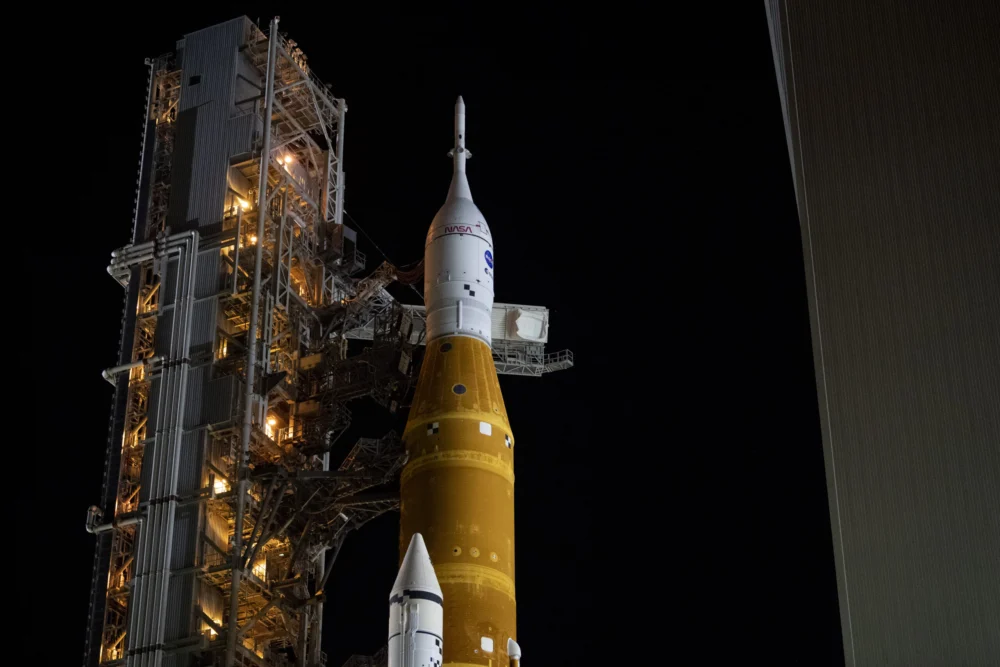
The National Aeronautics and Space Administration (NASA) has announced a significant recalibration of its ambitious Artemis program, deferring the historic return of humans to the lunar surface from the originally slated Artemis III mission to the subsequent Artemis IV endeavor, now targeted for 2028. This strategic adjustment, revealed during a recent press conference, will relegate Artemis III to a crucial test flight phase, while concurrently accelerating the overall cadence of lunar missions, with a new objective to achieve at least one surface landing annually thereafter.
This pivotal re-evaluation of the Artemis timeline stems directly from critical findings presented by NASA’s Aerospace Safety Advisory Panel (ASAP) earlier this month. The panel’s comprehensive report illuminated substantial safety concerns, particularly regarding the initial configuration of the Artemis III mission. ASAP identified an excessive accumulation of interwoven technical, operational, and schedule-related risks, exacerbated by the ambitious nature of multiple pioneering objectives planned for a single mission. The panel’s assessment underscored the imperative for a more phased and risk-mitigated approach to achieving human lunar landings.
The Artemis program, a cornerstone of NASA’s renewed focus on deep space exploration, aims to establish a sustainable human presence on the Moon and serve as a stepping stone for future missions to Mars. The program’s architecture is built upon a series of increasingly complex missions, each designed to test and validate critical technologies and operational procedures. Artemis I, an uncrewed test flight of the Space Launch System (SLS) rocket and Orion spacecraft, successfully demonstrated the capabilities of the hardware and validated the mission operations.
Artemis II, intended as the program’s first crewed mission, is designed to carry astronauts on a trajectory around the Moon, marking the first human journey beyond low Earth orbit since the Apollo era. However, this mission has also encountered testing delays in recent weeks, pushing its launch window to no earlier than April. These setbacks in the Artemis II schedule have undoubtedly contributed to the broader reassessment of the program’s overall trajectory and the feasibility of its more aggressive timelines.

The decision to delay the Artemis III landing, while seemingly a setback, represents a pragmatic response to the identified safety imperatives. By reclassifying Artemis III as a dedicated test flight, NASA can utilize the mission to thoroughly validate the operational readiness of key systems, including the human landing system (HLS) and advanced spacesuits, in a less high-stakes environment. This approach allows for the meticulous refinement of procedures and the identification and mitigation of any unforeseen challenges before committing astronauts to a lunar surface excursion.
The subsequent Artemis IV mission, now designated to carry the first human crew to the lunar surface, will benefit from the invaluable data and operational experience gained from Artemis III. This extended timeline allows for a more robust integration of all mission elements and a greater degree of confidence in the safety and success of the landing. The commitment to at least one surface landing per year following Artemis IV signifies NASA’s intent to build sustained momentum in lunar exploration, moving beyond isolated expeditions to establish a more consistent operational presence.
The implications of this revised schedule extend beyond NASA’s immediate operational plans. The Artemis program relies heavily on the development and integration of a complex ecosystem of technologies and partnerships, both governmental and commercial. The delay in the Artemis III landing may necessitate adjustments in the timelines of participating commercial entities, particularly those involved in the development of lunar landers and other critical surface infrastructure. However, the increased cadence of missions and the extended focus on lunar surface operations could also present new opportunities for innovation and collaboration within the burgeoning space economy.
Furthermore, the strategic realignment of the Artemis program underscores the inherent complexities and challenges associated with pioneering human spaceflight. The journey back to the Moon is not merely a repetition of past achievements but a significant leap forward, demanding the development of entirely new capabilities and the overcoming of novel obstacles. The insights gleaned from the ASAP report serve as a crucial reminder that safety and thoroughness must remain paramount, even in the face of ambitious exploration goals.
The rescheduled Artemis IV landing in 2028, while a later date than initially envisioned, positions the program for a more sustainable and secure return to the lunar surface. This decision reflects a mature and responsible approach to space exploration, prioritizing the well-being of astronauts and the long-term success of NASA’s lunar ambitions. The focus on increasing the mission cadence and establishing annual landings signifies a shift towards a more continuous and robust presence on the Moon, laying the groundwork for scientific discovery, resource utilization, and the eventual expansion of human endeavors into the wider solar system. The reconfigured Artemis program, therefore, represents not a diminishment of ambition, but a strategic adaptation to ensure the enduring legacy of humanity’s return to the cosmos.




 Lisa Mariana
 Ayu Aulia