Lisa Mariana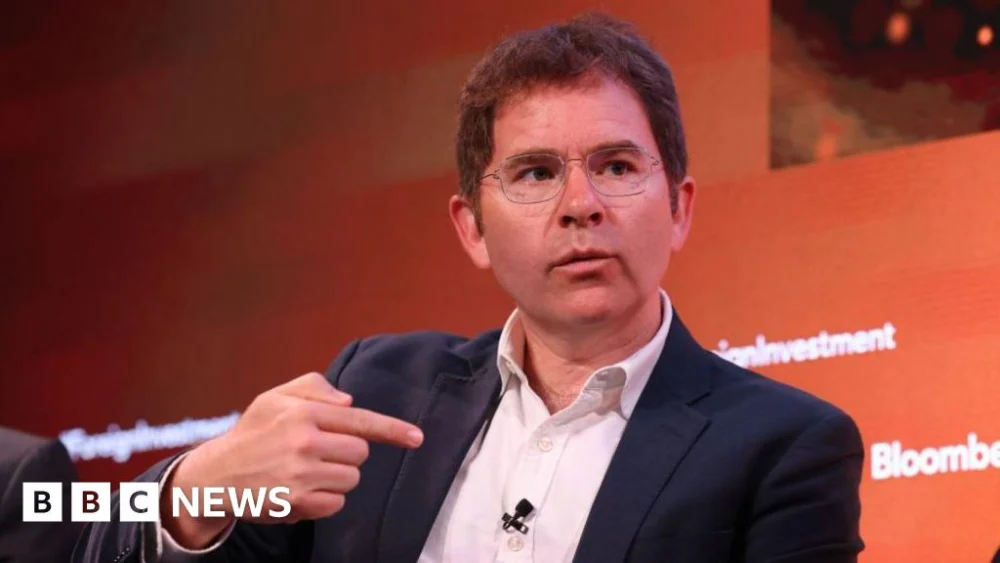
The chief executive of a prominent international advisory firm, co-founded by a revered figure in British politics, has stepped down from his position following the public disclosure of documents detailing his and the firm’s co-founder’s apparent connections to the convicted sex offender Jeffrey Epstein. Benjamin Wegg-Prosser, a long-standing associate of Lord Peter Mandelson, announced his resignation from Global Counsel, a strategic consultancy with a significant global footprint, in a move explicitly characterized as a "political resignation" designed to safeguard the company’s standing amidst mounting reputational pressures. This leadership transition underscores the far-reaching and continuing fallout from the recent release of the voluminous Epstein files, which have cast a shadow over numerous individuals and institutions previously associated with the disgraced financier.
The decision by Mr. Wegg-Prosser, a former political aide and key figure in New Labour communications, comes at a critical juncture for Global Counsel. The firm, established in the aftermath of the 2010 UK general election by Mr. Wegg-Prosser and Lord Mandelson, has cultivated a formidable client roster encompassing major international corporations such as Shell, TikTok, Palantir, Vodafone, and JP Morgan. Its operations span key global hubs, including Berlin, Brussels, Singapore, Washington D.C., and Doha, employing over 100 professionals and reporting a revenue of £21.6 million last year. The sudden departure of its chief executive, particularly under such controversial circumstances, injects an element of uncertainty into the firm’s strategic direction and its capacity to maintain client confidence in a highly competitive and reputation-sensitive industry.
The immediate catalyst for Mr. Wegg-Prosser’s resignation was the public release of court documents by the US Department of Justice, containing information that appears to link both him and Lord Mandelson to Jeffrey Epstein. These disclosures have intensified public scrutiny on past associations with Epstein, particularly those that continued or were initiated after his initial 2008 conviction for soliciting prostitution and soliciting a minor. Mr. Wegg-Prosser, while steadfastly maintaining his innocence of any wrongdoing, articulated his departure as a necessary measure to shield Global Counsel from the perceived harm stemming from his and Lord Mandelson’s historical ties and their mention within the newly revealed files. His profile page was promptly removed from the company’s website, and managing director Rebecca Park has been appointed as his successor, indicating a swift and decisive effort by the firm to manage the crisis.
The documented interactions detailed in the Epstein files provide a granular look into the connections. Emails from February and March 2010 reveal Lord Mandelson actively facilitating a meeting between Mr. Wegg-Prosser and Epstein in New York. One email from Lord Mandelson to Epstein, dated 20 February 2010, explicitly states, "Ben is coming to NYC to meet you and explain the business plan." Subsequent communications confirm arrangements for this meeting, with an assistant noting "Ben Wegg-Prosser (Mandelson’s friend)" was scheduled to meet Epstein. Furthermore, Lord Mandelson reportedly urged Epstein to "Be nice to Ben. He is a very able organiser of life and its opportunities. And he watches my back big time." Epstein’s own assessment of Mr. Wegg-Prosser, while acknowledging his "media sensitive, good communication instincts," also critically observed his "feeble business acumen." These exchanges, occurring two years after Epstein’s initial conviction, raise significant questions about the judgment exercised by prominent public figures in maintaining or initiating contact with an individual whose criminal activities were already a matter of public record.
The intertwining fates of Mr. Wegg-Prosser and Lord Mandelson have long been a feature of the British political landscape. Mr. Wegg-Prosser served as a close adviser to Lord Mandelson during the 1990s, a period that saw Mandelson rise to become a principal architect of the New Labour project under Tony Blair. His career trajectory further solidified his position within the Labour establishment, culminating in his appointment as director of Downing Street’s strategic communications unit in 2005. This deep-seated professional and personal association forms a crucial backdrop to the current events, making it challenging for Global Counsel to disentangle itself from the reputational implications of Lord Mandelson’s past.
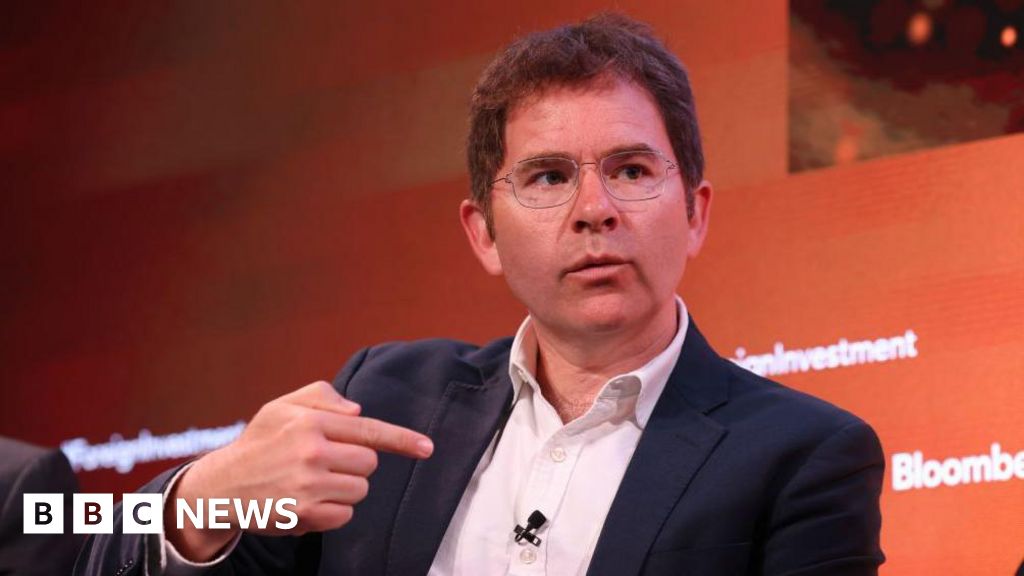
Lord Mandelson himself has been at the epicentre of renewed controversy regarding his associations with Epstein. He recently divested his shares in Global Counsel, a move announced by the company’s chairman, former Conservative MP Archie Norman, in a letter to clients. This divestment follows his resignation from the firm’s board in 2024, prior to the upcoming general election. The broader political implications of his Epstein links have already had severe consequences for his public service career. Last year, Lord Mandelson was relieved of his duties as the UK’s ambassador to the United States following earlier revelations about his connections to Epstein. The Labour leader, Sir Keir Starmer, has faced considerable pressure to explain the vetting process that led to Lord Mandelson’s initial appointment to such a sensitive diplomatic role. Starmer has since publicly apologised to Epstein’s victims for selecting Mandelson and has even accused him of misrepresenting his relationship with Epstein during the vetting process, an allegation Lord Mandelson’s camp denies, asserting that he answered all questions accurately.
Lord Mandelson has consistently expressed profound regret for "ever having known Epstein" and for continuing any association after Epstein’s initial conviction. He has reiterated to the BBC his stance that he "was never culpable or complicit in (Epstein’s) crimes" and, like many others, "learned the actual truth about him after his death." However, the timeline of the newly revealed communications, specifically the 2010 meeting between Mr. Wegg-Prosser and Epstein facilitated by Mandelson, presents a narrative that critics argue is difficult to reconcile with a claim of ignorance regarding Epstein’s true nature following his 2008 conviction. The perceived discrepancy between public statements and documented interactions fuels public cynicism and intensifies the demand for greater transparency from individuals holding positions of influence.
The crisis at Global Counsel highlights the precarious nature of reputation in the modern era, particularly for firms operating at the nexus of politics, business, and public affairs. Lobbying and strategic communications firms, by their very nature, trade on trust, access, and perceived integrity. When a firm’s founders or key executives are implicated, even indirectly, in scandals of such magnitude, the damage can be profound and far-reaching. Clients, who themselves are highly sensitive to public perception, may reconsider their associations. The departure of a founding chief executive, despite claims of innocence, serves as a stark acknowledgment of the significant reputational liability that the Epstein connection represents.
For Global Counsel, the immediate challenge lies in rebuilding trust and demonstrating a clear break from past associations. Rebecca Park, as the new chief executive, inherits a complex task of leadership during a period of intense external scrutiny. The company’s diverse global client base and its stated mission of providing strategic advice on public policy and geopolitical issues demand an unimpeachable ethical standing. The swift divestment of Lord Mandelson’s shares and Mr. Wegg-Prosser’s resignation are tactical moves designed to draw a "line," but the lasting impact on brand perception and client relationships will depend on sustained efforts to reinforce ethical governance and transparency.
Beyond Global Counsel, this episode serves as a powerful reminder for the broader lobbying industry and political establishments globally. The Epstein scandal has underscored the critical importance of rigorous due diligence in all professional and personal associations, especially for those in public life or advising powerful entities. The public’s appetite for accountability has grown significantly, and any perceived lack of transparency or ethical lapse by figures connected to such a heinous criminal carries severe consequences. This case may well lead to increased calls for more stringent disclosure requirements for lobbying firms and a re-evaluation of the standards of conduct expected from those who navigate the corridors of power. The enduring ripple effects of the Epstein documents continue to expose the complex and often troubling interconnections between wealth, power, and influence, forcing a re-examination of ethical boundaries in an increasingly interconnected world.




 Ridwan Kamil
 Aura Kasih
 Ayu Aulia