Aura Kasih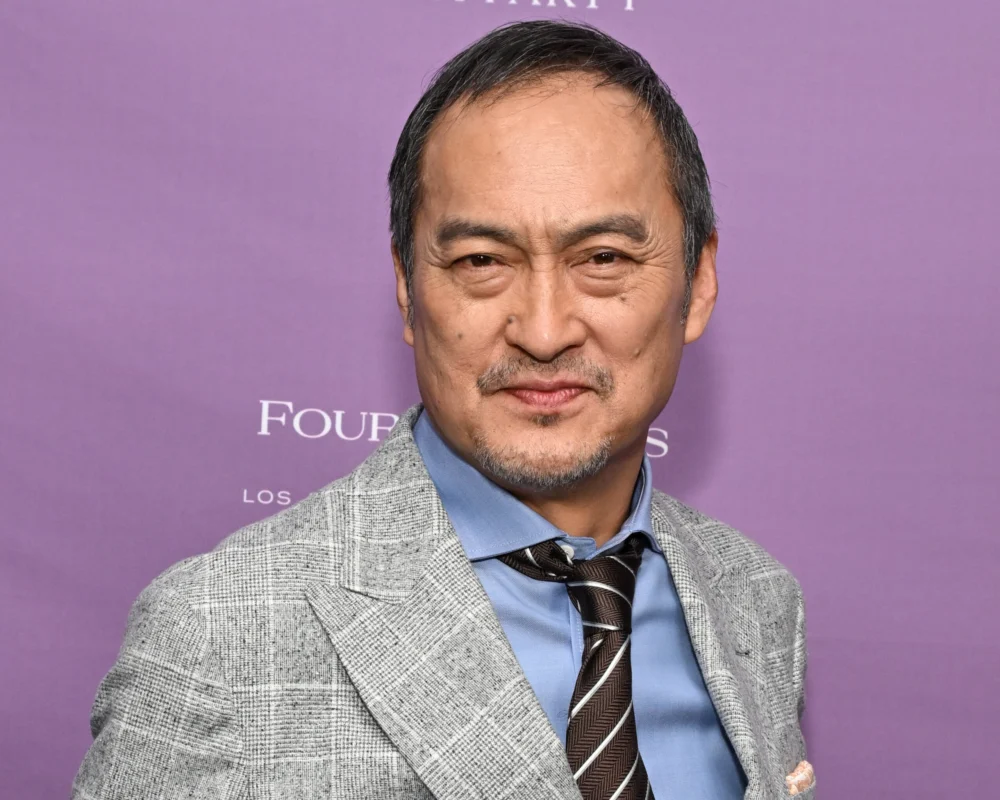
A sweeping three-hour epic delving into the intricate world of traditional Japanese kabuki theater might not immediately strike one as a surefire box office phenomenon. Yet, this precise narrative unfolded with the critically acclaimed film "Kokuho," a testament to the power of compelling storytelling and artistic dedication. Director Lee Sang-il’s cinematic adaptation of Shuichi Yoshida’s novel not only defied expectations but emerged as last year’s highest-grossing live-action film in Japan, a remarkable achievement for a period drama centered on a centuries-old performing art. Even for its esteemed star, veteran actor Ken Watanabe, renowned for his commanding presence in Hollywood blockbusters such as "Inception" and "Detective Pikachu," the project’s initial conception was met with significant apprehension. While deeply appreciating the source material, Watanabe harbored profound doubts about the feasibility of translating the nuanced and highly stylized essence of kabuki to the cinematic medium.
"My initial reaction was one of outright skepticism," Watanabe recalled, recounting his conversation with director Lee Sang-il when the ambitious project was first presented. "I expressed my concerns, stating, ‘Please, do not pursue this.’ Kabuki operates within a profoundly established and rigid cultural framework in Japan, and for actors without specialized training, embodying its roles presents an immense challenge." Despite these reservations, the film’s subsequent critical and commercial success has opened avenues for "Kokuho" to reach an international audience, with its theatrical release across the United States commencing on February 20th, marking a significant milestone in its global reception.
The narrative of "Kokuho" intricately weaves the destinies of two pivotal characters. At its core is Kikuo Tachibana, portrayed by Ryo Yoshizawa, an orphan whose life takes a dramatic turn when he is taken under the tutelage of the legendary kabuki actor Hanjiro, brought to life by Watanabe. Hanjiro, a master of the onnagata — the male actors who traditionally portray female roles — becomes a surrogate father figure. Parallel to Kikuo’s journey is that of Shunsuke Aogaki, played by Ryusei Yokohama. Shunsuke is Hanjiro’s own son, meticulously groomed from his formative years to inherit his father’s prestigious legacy and artistic mantle. The film meticulously charts their divergent yet intertwined professional trajectories over a span of fifty years, from 1964 to 2014. Both men dedicate their lives to the demanding and often spiritually taxing discipline of the onnagata, a commitment that defines their existence. "Kokuho" thus presents a poignant and often heart-wrenching exploration of the sacrifices artists make in their relentless pursuit of perfection and artistic transcendence.
The commitment required from the performers in "Kokuho" was extraordinary, reflecting the rigorous demands of the onnagata tradition. Due to the highly specific and physically demanding movements inherent to portraying female characters on the kabuki stage, the film’s two lead actors underwent approximately eighteen months of intensive training. This dedicated preparation was crucial to authentically capturing the essence of their roles. Even Watanabe, whose character’s on-stage performances constitute a comparatively smaller portion of the film’s runtime, dedicated around four months to mastering the intricate choreography and precise movements. The challenges were further amplified by the elaborate period costumes, voluminous wigs, and the sheer duration of the shooting schedules. "All of these arduous elements ultimately coalesce into a profound sense of accomplishment," Watanabe reflected on the preparation process. "It is all an integral part of a journey towards achieving a specific artistic goal. Therefore, while there were moments of exertion, the experience was never perceived as overwhelmingly painful or excessively difficult. However, I would be remiss if I didn’t admit to occasional vocalizations of complaint. Such instances, though infrequent, did occur."
Watanabe’s character, Hanjiro, serves as a foundational presence throughout the film, particularly in its early stages. During the 1960s, he meticulously trains the nascent kabuki talents, portrayed by the remarkably gifted young actors Sōya Kurokawa and Keitatsu Koshiyama. A subtle yet palpable rivalry begins to brew between the two apprentices, fueled, in part, by their earnest desire for Hanjiro’s approval and recognition. "My role was to observe these two individuals as they transitioned from childhood to becoming accomplished kabuki actors," Watanabe explained. "In essence, I served as a constant, watchful presence throughout the evolution of their careers. The child actors exhibited an exceptional level of dedication and hard work throughout the production, allowing me to witness their growth firsthand, which was a novel and deeply rewarding experience for me."
Despite his significant on-screen role as a mentor, Watanabe maintained a distinct perspective on his influence off-camera. He emphasized that his seasoned career did not translate into a formal pedagogical role in the real-life interactions with his younger co-stars. "Throughout my own formative years as an actor, I consistently viewed collaboration as akin to entering the same competitive arena, where individual career achievements and accumulated experience held no inherent advantage," he elucidated. "This philosophy continues to guide my approach to acting. I do not assume the mantle of a teacher or a guide in real-world interactions, as we are all fundamentally equals stepping into the same performance space."
Watanabe candidly admitted that the precise factors contributing to "Kokuho’s" remarkable success remain somewhat elusive to him. He speculated that the film’s meticulous attention to detail, encompassing not only the breathtaking kabuki costumes and performances but also the authentically recreated period settings that seamlessly shift to reflect the passage of time, may have played a significant role. Regardless of the specific reasons, he observed a palpable shift in public sentiment shortly after the film’s premiere in Japan. "Within a few days of its release, I began monitoring social media discourse and was astonished to discover the profound affection that younger audiences held for the movie," he stated. "Approximately a month later, the magnitude of its success became truly undeniable, exceeding all prior estimations."
Reflecting on his initial reservations, Watanabe acknowledged that his involvement in "Kokuho" proved to be an exceptionally enriching experience. Although his prior professional repertoire did not specifically encompass kabuki, his foundational acting career was rooted in stage performance. This connection was further solidified by his Broadway debut in 2015, where he took on the lead role in "The King and I." Consequently, the filming of "Kokuho" evoked a profound sense of nostalgia, a feeling he described as "akin to a powerful déjà vu." The emotional resonance of this experience was so potent that witnessing the film’s completion for the first time deeply affected him. "I found myself unable to contain my tears during the film’s concluding moments," he confessed.
The enduring appeal of "Kokuho" can be further analyzed through the lens of its artistic and cultural significance. Kabuki, a theatrical art form that emerged in the early 17th century, is characterized by its stylized drama, elaborate costumes, and distinctive makeup. Its historical preservation and adaptation into modern cinematic forms present a unique challenge, requiring a delicate balance between honoring tradition and engaging contemporary audiences. The film’s success suggests a growing global interest in Japanese culture and its rich artistic heritage, potentially signaling a broader trend of appreciation for niche and historically significant art forms. The narrative’s exploration of dedication, rivalry, and the pursuit of artistic excellence resonates universally, transcending cultural boundaries.
Furthermore, the film’s critical reception underscores the director’s masterful ability to translate the visual and emotional complexity of kabuki onto the screen. Lee Sang-il’s direction, combined with the stellar performances of the cast, has been lauded for its ability to immerse viewers in the world of kabuki, offering an intimate glimpse into the rigorous training, emotional intensity, and profound artistry involved. The film’s success in Japan, a nation with a deep-seated appreciation for its traditional arts, indicates a successful revitalization of interest among younger generations, who might otherwise be less exposed to such classical forms of entertainment.
The international release of "Kokuho" presents a significant opportunity to further broaden its impact. As audiences in the United States and potentially other global markets engage with the film, it is likely to spark further discussion and research into kabuki theater and Japanese performing arts. This cultural exchange can foster a greater understanding and appreciation of diverse artistic traditions, contributing to a richer global cultural landscape. The film’s ability to attract a wide demographic, from seasoned cinephiles to those newly introduced to Japanese cinema, speaks to its universal themes and compelling storytelling.
In conclusion, "Kokuho" stands as a remarkable cinematic achievement, not only for its box office success but also for its profound artistic merit and cultural significance. Ken Watanabe’s initial doubts, while understandable given the inherent challenges of adapting kabuki for film, ultimately gave way to a deeply rewarding experience. The film’s triumph serves as a powerful reminder that compelling narratives, exceptional craftsmanship, and a dedication to artistic integrity can overcome even the most daunting initial perceptions, captivating audiences and leaving an indelible mark on the cinematic world. The continued success of "Kokuho" on the international stage will undoubtedly solidify its place as a landmark film that successfully bridges the gap between tradition and modernity, art and commerce, and skepticism and widespread acclaim.




 Ridwan Kamil
 Lisa Mariana
 Ayu Aulia