Lisa Mariana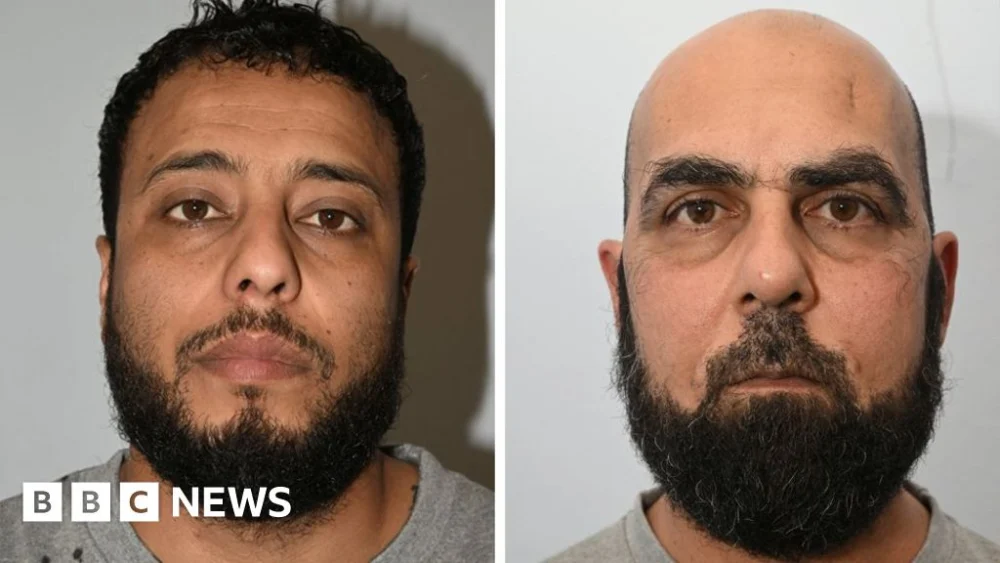
Two individuals have received substantial custodial sentences following their conviction for orchestrating a grave extremist conspiracy aimed at inflicting mass casualties within Manchester’s Jewish population, an operation authorities assert could have culminated in one of the United Kingdom’s most devastating terrorist incidents. The intricate scheme, driven by radical ideologies, involved the illicit procurement of firearms and meticulous planning for a large-scale attack, which was ultimately thwarted through the diligent efforts of law enforcement and a pivotal undercover investigation.
Walid Saadaoui, 38, and Amar Hussein, 52, were each handed life imprisonment terms by Preston Crown Court, a consequence reflecting the extreme danger posed by their meticulously devised plot. Saadaoui was mandated to serve a minimum of 37 years before being considered for parole, while Hussein received a minimum term of 26 years. The court heard compelling evidence detailing how the pair, inspired by the extremist doctrines of the Islamic State group, had actively sought to import a cache of lethal weaponry into the UK to execute their violent agenda. The successful disruption of their activities by an undercover operative from Greater Manchester Police was described as indispensable in preventing what could have been an unprecedented tragedy on British soil.
The intended targets of this nefarious plot were not arbitrarily chosen. Prosecutors revealed the men had intended to unleash a brutal gun assault on a peaceful march against antisemitism scheduled for the late summer of 2024. Following this initial act of terror, their plan involved continuing their violent spree into north Manchester, a region home to a significant and vibrant Jewish community, where they had conducted reconnaissance on religious institutions, educational establishments, and commercial premises. Mr. Justice Wall, presiding over the sentencing, underscored the horrifying potential of the planned attack, stating with certainty that it would have led to "the deaths of many people and serious injuries to many, many more." He elaborated on the cold calculation of their intent, noting their plan to use AK-47 assault rifles against an "unarmed and defenceless" crowd, with the capacity to discharge 120 bullets before requiring reloads, thereby maximizing the potential for indiscriminate slaughter across all age groups, including children.
The operational details of Saadaoui’s efforts to arm his cell revealed a disturbing level of commitment. Residing in Abram, Wigan, the father-of-two, originally from Tunisia, had intended to smuggle four AK-47 assault rifles, two handguns, and an alarming 900 rounds of ammunition into the country. His initial contact involved making a deposit for these weapons, believing he was arranging their importation through an individual he perceived as a fellow extremist named "Farouk." Unbeknownst to Saadaoui, "Farouk" was, in fact, the undercover operative whose infiltration proved critical to dismantling the plot. Saadaoui had also independently explored avenues to obtain firearms via Sweden and Eastern Europe and had gone as far as purchasing an air weapon and visiting a shooting range, demonstrating a tangible progression in his preparations for violence.
The meticulous undercover operation culminated on May 8, 2024, when counter-terrorism officers, numbering over 200, intervened. Saadaoui was apprehended at a hotel car park in Bolton as he arrived to collect what he believed were live firearms, which had been rendered inert by authorities. This strategic timing allowed law enforcement to secure critical evidence while mitigating any immediate public danger. Saadaoui had previously drawn the attention of authorities due to his extensive use of ten different Facebook accounts, none under his real name, to disseminate a torrent of extremist Islamic propaganda. Shortly after Saadaoui’s arrest, Hussein and Saadaoui’s younger brother, Bilel Saadaoui, 36, were also taken into custody at separate locations.
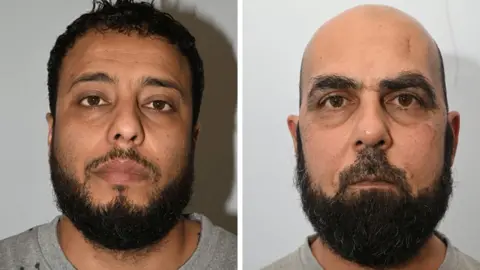
The trial unveiled Walid Saadaoui’s chilling determination to "martyr himself" during the attack. He had painstakingly prepared a will, leaving a copy with his brother, along with tens of thousands of pounds in cash, explicitly intended for his family’s provision after his anticipated demise. This revelation painted a stark picture of his extremist conviction and readiness for lethal violence.
The genesis of Saadaoui’s radicalization and the subsequent unfolding of the plot illuminate the pervasive threat of online extremism. His use of multiple fake Facebook profiles served as a conduit for spreading his hateful ideology and, crucially, as a means to connect with and recruit others. It was through these online channels that the undercover operative, "Farouk," was deployed to gain his trust, initially through digital communication and later through face-to-face meetings. A key moment in the plot’s development occurred when Walid Saadaoui leveraged one of his clandestine Facebook accounts to join the Jewish Representative Council of Greater Manchester’s group. This afforded him access to details about a "March Against Antisemitism" held in the city centre on January 21, 2024, which attracted thousands of participants. Days later, communicating with "Farouk," Saadaoui explicitly stated his intent: "Here in Manchester, we have the biggest Jewish community. God willing we will degrade and humiliate them (in the worst way possible), and hit them where it hurts."
Mr. Justice Wall’s commendation of "Farouk" highlighted the extraordinary courage and professionalism demonstrated by the undercover officer. The judge praised his "dangerous and difficult job," executed with "great skill and patience," and acknowledged that his actions had "potentially saved many lives by putting his own life on the line." Such operations underscore the indispensable role of human intelligence in penetrating and dismantling sophisticated terrorist plots.
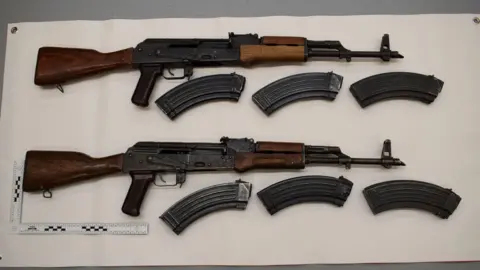
Walid Saadaoui’s recruitment of Amar Hussein, a Kuwaiti national and fellow ISIS sympathizer working and living at a furniture shop in Bolton, further solidified the operational capabilities of the nascent terror cell. The two men undertook a crucial reconnaissance trip to Dover, Kent, in March 2024, meticulously assessing methods for smuggling weapons through the port undetected. This journey illustrated their detailed approach to overcoming logistical hurdles in arming their planned assault. Upon their return, Walid Saadaoui continued his surveillance activities in the heavily Jewish areas of Prestwich and Higher Broughton in north Manchester, identifying potential targets such as nurseries, schools, synagogues, and shops, indicating a desire for maximum impact and terror within the community.
Bilel Saadaoui, Walid’s younger brother from Hindley, Wigan, while not directly implicated in the physical execution of the attacks, was found to be fully aware of his older brother’s intentions and harbored sympathetic views towards the Islamic State group. The trial presented WhatsApp messages exchanged between the brothers, which offered a chilling insight into their shared animosity towards Jewish people. In one particularly disturbing instance, Bilel Saadaoui sent Hussein a news link detailing the deaths of several Jewish individuals in a bridge collapse, adding the hashtag "Beloved Palestine," revealing a celebratory and hateful sentiment.
The convictions of Walid Saadaoui and Amar Hussein for preparing acts of terrorism, spanning from December 13, 2023, to May 9, 2024, mark a significant victory for national security. Bilel Saadaoui, 36, was convicted of failing to disclose information about acts of terrorism and received a six-year prison sentence, emphasizing the legal responsibility to report impending threats and the severe consequences of complicity, even by omission.
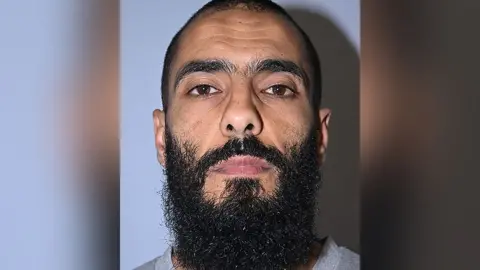
This case serves as a stark reminder of the persistent and evolving threat of religiously-motivated extremism within the United Kingdom. The plot, characterized by its aspiration for mass casualties and its targeting of a specific religious community, reflects a dangerous intersection of global extremist ideologies and local manifestations of hatred. The successful disruption by counter-terrorism units underscores the effectiveness of multi-agency intelligence gathering, covert operations, and robust legal frameworks in safeguarding public safety. It also highlights the critical importance of community vigilance and reporting suspicious activities, as early detection and intervention remain paramount in the ongoing battle against terrorism. The resilience of Manchester’s diverse communities, particularly its Jewish population, in the face of such targeted hatred, stands as a testament to the collective commitment to peace and coexistence that these extremist plots aim to shatter.


 Aura Kasih
 Ridwan Kamil