
 Ridwan Kamil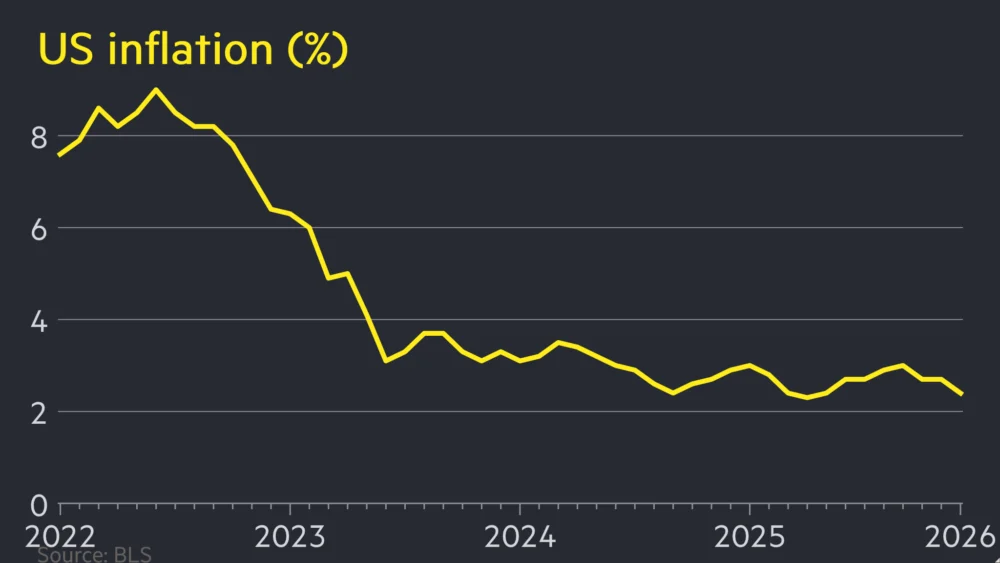
January’s inflation data revealed a significant deceleration in price growth, with the Consumer Price Index (CPI) falling to 2.4% on an annual basis, a more pronounced decline than economists had widely anticipated. This marks a notable cooling of inflationary pressures that have impacted households and businesses throughout the past year, signaling a potential shift in the economic landscape.
The latest figures from the Bureau of Labor Statistics (BLS) indicate that the annual inflation rate has retreated from its recent peaks, offering a welcome respite for consumers grappling with the cost of everyday goods and services. The drop in inflation is attributable to a confluence of factors, including moderating demand, easing supply chain disruptions, and a stabilization in energy prices. This development has ignited optimism among policymakers and market participants alike, suggesting that the aggressive monetary policy tightening implemented by the Federal Reserve may be achieving its intended effect of bringing inflation back towards its target.
Deeper Dive into the January Inflation Data
The headline inflation rate of 2.4% in January represents a substantial deceleration from the elevated levels observed in prior months. This figure is a composite measure that reflects changes in the prices of a broad basket of consumer goods and services. Several key components of the CPI contributed to this downward trend.
Energy Sector Stabilization: A significant driver of the cooling inflation was the stabilization, and in some instances, decline, in energy prices. After experiencing considerable volatility, the cost of gasoline and other fuels has become more predictable. This moderation in energy prices has a cascading effect, reducing transportation costs for businesses and lowering utility bills for households, both of which are critical components of consumer spending. The global energy market, influenced by geopolitical developments and production levels, played a crucial role in this stabilization.
Food Price Moderation: While still a concern for many households, the pace of food price increases has also shown signs of easing. The rate at which grocery bills have been climbing has begun to decelerate, offering some relief to consumers. This moderation can be attributed to a variety of factors, including improved agricultural yields in certain regions, a lessening of global supply chain bottlenecks that had previously inflated import costs, and shifts in consumer purchasing habits towards more value-oriented options. However, the underlying costs of agricultural inputs, such as fertilizer and labor, continue to exert some upward pressure.
Core Inflation Shows Promise: Beyond the volatile categories of energy and food, "core" inflation, which excludes these two components, also presented encouraging signs. Core CPI, often considered a more reliable indicator of underlying inflationary trends, also experienced a slowdown. This suggests that inflationary pressures are not solely concentrated in specific sectors but are broadly abating across the economy. The deceleration in core inflation is particularly important for policymakers as it provides a clearer picture of the sustained inflationary momentum.
Factors Contributing to the Inflationary Decline
The recent decline in inflation is not a singular event but rather the culmination of several economic forces working in concert. Understanding these contributing factors provides crucial context for interpreting the current economic environment.
Impact of Monetary Policy: The Federal Reserve’s series of interest rate hikes over the past year has been a primary tool employed to combat inflation. By increasing the cost of borrowing, the Fed aimed to cool aggregate demand across the economy. Higher interest rates discourage consumer spending on big-ticket items financed by debt, such as cars and homes, and also make it more expensive for businesses to invest and expand. This reduction in overall demand helps to alleviate upward pressure on prices. The lagged effects of these policy actions are now becoming increasingly evident in the inflation data.
Easing Supply Chain Congestion: The global supply chains, which experienced unprecedented disruptions during the pandemic, have gradually improved. Port backlogs have diminished, shipping costs have fallen, and the availability of key components has increased. This normalization of supply chains allows businesses to procure raw materials and finished goods more efficiently and at lower costs, which can then be passed on to consumers in the form of more stable or lower prices. The resilience of global trade networks is a critical determinant of future inflation trends.
Shifting Consumer Behavior: As inflation persisted, consumers have demonstrated increased price sensitivity. Many have adjusted their spending habits, opting for less expensive alternatives, reducing discretionary purchases, and prioritizing essential goods. This recalibration of consumer demand directly impacts the pricing power of businesses, forcing them to be more competitive to attract and retain customers. The ongoing evolution of consumer sentiment and purchasing power remains a key variable.
Geopolitical Factors and Commodity Prices: While energy prices have stabilized, geopolitical events continue to exert an influence on commodity markets. However, for the period in question, the absence of major new supply shocks has contributed to a less volatile commodity price environment. The interconnectedness of global events means that any significant shifts in international relations or major disruptions to commodity production can rapidly alter inflation trajectories.
Implications of Lower Inflation
The sustained decline in inflation has significant implications for various stakeholders within the economic ecosystem.
For Consumers: The most immediate benefit of lower inflation is increased purchasing power for households. As the cost of goods and services rises at a slower pace, the real value of consumers’ income effectively increases, allowing them to afford more with their existing earnings. This can lead to improved consumer confidence and a potential rebound in spending on non-essential items, provided that wage growth keeps pace with the reduced inflation rate.
For Businesses: For businesses, lower inflation translates to more predictable input costs and a less volatile pricing environment. This predictability can facilitate more effective financial planning and investment decisions. However, businesses that had previously enjoyed the ability to pass on rising costs may now face pressure to lower prices or absorb some of the cost reductions to remain competitive. The ability to adapt pricing strategies in response to changing market conditions will be crucial.
For Policymakers: The cooling inflation data provides the Federal Reserve with greater flexibility in its monetary policy decisions. While the Fed’s primary mandate is price stability, it also considers employment levels. With inflation moving closer to its target, the central bank may be less inclined to continue aggressive interest rate hikes and could potentially consider a pause or even future rate reductions if the disinflationary trend persists. However, policymakers will remain vigilant, carefully monitoring incoming data to ensure that inflation does not re-accelerate.
For Investors: The prospect of moderating inflation and potentially less aggressive monetary policy can influence investment strategies. Lower inflation can be beneficial for fixed-income investments, as it reduces the erosion of real returns. For equity markets, a stable economic environment with contained inflation can support corporate earnings and investor confidence. However, the pace and extent of any potential interest rate cuts will be a key determinant of market performance.
Future Outlook and Potential Risks
While the recent inflation data is undoubtedly positive, the path forward is not without its uncertainties. Several factors could influence future inflation trends.
Persistent Inflationary Shocks: Despite the recent improvements, the global economy remains susceptible to unexpected shocks. Geopolitical conflicts, natural disasters, or further disruptions to energy supplies could reignite inflationary pressures. Policymakers will need to remain adaptable and prepared to respond to unforeseen events.
Wage-Price Spiral Concerns: While wage growth has been a factor in recent inflation, the current data suggests a moderating trend. However, a sustained and rapid increase in wages without a corresponding increase in productivity could potentially lead to a wage-price spiral, where rising wages lead to higher prices, which in turn necessitate further wage increases. Close monitoring of labor market dynamics and wage growth is essential.
The Fed’s Tightrope Walk: The Federal Reserve faces a delicate balancing act. Raising interest rates too high or for too long could trigger an economic recession, while easing monetary policy too soon could allow inflation to re-accelerate. The central bank’s ability to navigate this complex terrain will be critical in achieving a soft landing for the economy.
Global Economic Conditions: The health of the global economy plays a significant role in domestic inflation. Weakness in major trading partners or widespread global economic slowdowns could impact demand for U.S. exports and influence import prices. International economic cooperation and stability are therefore important considerations.
Conclusion
The significant drop in inflation to 2.4% in January represents a pivotal moment in the current economic cycle. It offers a much-needed reprieve for consumers and businesses, and provides policymakers with greater room for maneuver. However, the battle against inflation is not definitively won. Continued vigilance, careful analysis of incoming economic data, and adaptable policy responses will be crucial to ensuring sustained price stability and fostering a healthy, robust economy in the months and years ahead. The interplay of consumer behavior, business investment, global economic forces, and monetary policy will shape the trajectory of inflation and its impact on the broader economic landscape.




 Aura Kasih
 Lisa Mariana



 Ayu Aulia