Ridwan Kamil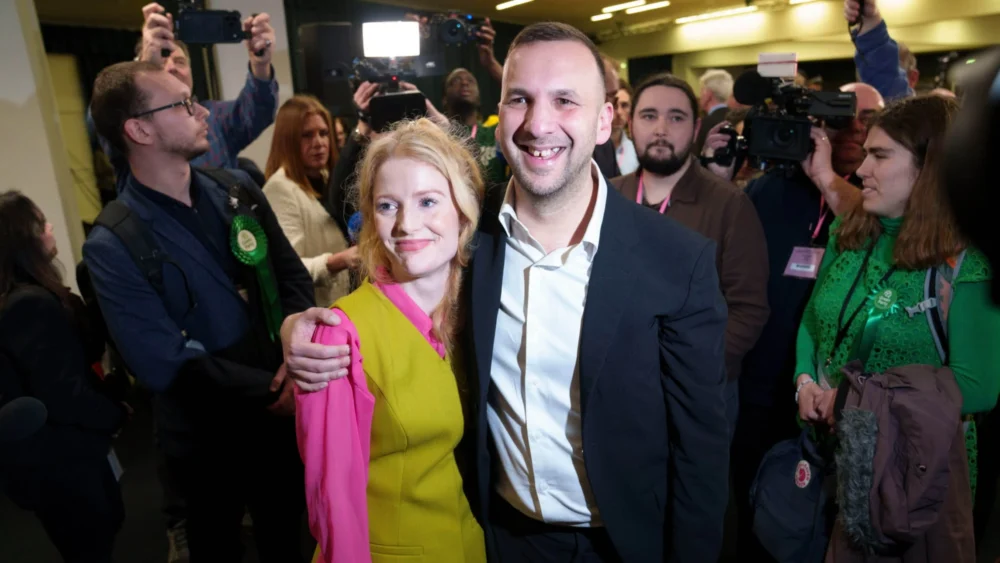
A seismic political upset in Rochdale, where the Green Party has achieved a historic by-election victory, has sent shockwaves through the United Kingdom’s political landscape, casting a significant spotlight on the Labour Party’s current standing and intensifying the scrutiny on leader Keir Starmer. This unexpected result, a clear indicator of shifting voter allegiances and a potential harbinger of broader electoral trends, presents a formidable challenge for Labour as it seeks to project an image of readiness for government.
The Rochdale by-election, triggered by the expulsion of the incumbent MP George Galloway, was widely anticipated to be a closely watched contest, albeit one expected to remain within Labour’s grasp, given the constituency’s historical voting patterns. However, the outcome has defied all conventional predictions, with the Green Party securing a decisive win. This triumph is not merely a local anomaly; it represents a significant symbolic and tactical blow to the Labour Party, underscoring deep-seated concerns about its appeal, particularly among younger demographics and in urban centres, and raising critical questions about its strategy for engaging with key voter segments.
The implications of this Green Party success extend far beyond the immediate parliamentary representation of Rochdale. It signifies a potent demonstration of the Green Party’s growing electoral traction and organizational capability, suggesting that their message on environmental issues, social justice, and a critique of mainstream political inertia is resonating with a substantial and motivated electorate. For Labour, this outcome serves as a stark reminder that electoral dominance cannot be taken for granted, and that the party must actively address the evolving concerns and priorities of voters who may be seeking alternatives to the established political order.
A Shifting Electoral Map: The Rochdale Context
To fully comprehend the significance of the Rochdale result, it is crucial to consider the constituency’s demographic and political history. Historically, Rochdale has been a Labour stronghold, reflecting a working-class heritage and a traditional allegiance to the party’s socialist roots. However, like many constituencies across the UK, it has witnessed demographic shifts and evolving socio-economic conditions that have created fertile ground for alternative political narratives. The expulsion of George Galloway, a figure who himself had navigated a complex political path, introduced an element of unpredictability, but the magnitude of the Green Party’s victory suggests a deeper underlying dissatisfaction with the mainstream parties.
The Green Party’s platform, typically emphasizing radical environmental policies, a commitment to social equality, and a departure from austerity measures, has clearly found a receptive audience in Rochdale. Their campaign, likely leveraging local issues alongside their national agenda, has evidently succeeded in mobilizing voters who may have previously abstained or supported other parties. This success is particularly noteworthy as it comes at the expense of Labour, indicating a direct transfer of support that Labour strategists will find difficult to ignore.
Starmer Under Fire: Navigating the Aftermath
The pressure on Keir Starmer and the Labour leadership is now palpable. The Rochdale result will undoubtedly fuel internal debates and external criticism regarding the party’s current direction and its perceived inability to connect with a broad spectrum of the electorate. Critics will argue that Labour’s focus on presenting a more centrist and fiscally responsible image, while perhaps intended to appeal to undecided voters, may be alienating traditional supporters who are seeking bolder, more transformative policies.
Furthermore, the Green Party’s victory raises questions about Labour’s ability to counter the appeal of smaller, more ideologically focused parties. In an era of political fragmentation, the ability to maintain a broad coalition of support is paramount. The Rochdale by-election suggests that Labour may be losing ground in this crucial area, potentially ceding space to parties that can offer a more distinct and compelling alternative.
Starmer’s leadership has been characterized by a drive to restore public trust and to present Labour as a competent and credible government-in-waiting. However, significant electoral setbacks, particularly those that highlight perceived weaknesses in core appeal, can undermine this narrative. The coming weeks will likely see intensified demands for Labour to articulate a clearer vision and a more robust strategy for engaging with voters who are feeling disillusioned with the status quo.
Broader Implications for UK Politics
The Rochdale by-election is not an isolated incident; it reflects a broader trend of political realignment and voter discontent that has been simmering across the United Kingdom. The Green Party’s success can be seen as a manifestation of a growing demand for political parties to address issues such as climate change with greater urgency and to offer more equitable economic solutions.
For the Conservative Party, while not directly implicated in this particular by-election outcome, the Green Party’s gains could signal a further erosion of the political centre ground, potentially making future electoral calculations more complex. The rise of parties with distinct ideological platforms can disrupt traditional two-party dominance and create more unpredictable electoral landscapes.
The impact on the wider political discourse is also significant. The Green Party’s success will likely embolden them to pursue an even more assertive campaigning strategy, placing environmental and social justice issues at the forefront of political debate. This could, in turn, force other parties to respond by strengthening their own commitments in these areas, thereby shaping the broader policy agenda.
Looking Ahead: Labour’s Strategic Imperatives
In the wake of the Rochdale by-election, the Labour Party faces a critical juncture. The leadership must undertake a thorough and honest assessment of the factors that contributed to this unexpected defeat. This will involve a deep dive into voter sentiment, an analysis of campaign effectiveness, and a re-evaluation of the party’s core messaging and policy priorities.
Several strategic imperatives emerge:
- Reconnecting with Core Voters: Labour needs to ensure it is effectively communicating its values and policies to its traditional base, while also attracting new demographics. This may involve a recalibration of its outreach strategies and a renewed focus on issues that resonate with working-class communities.
- Strengthening Environmental Credentials: While Labour has committed to ambitious environmental targets, the Green Party’s success suggests that voters are looking for a more unequivocal and compelling approach. Labour must articulate a vision for environmental action that is both credible and inspiring.
- Addressing Social and Economic Inequality: The ongoing challenges of economic disparity and social justice remain central to the concerns of many voters. Labour must present a clear and actionable plan to address these issues, demonstrating its commitment to creating a more equitable society.
- Effective Opposition and Scrutiny: As the main opposition party, Labour has a crucial role to play in holding the government to account. Its performance in this regard will be closely watched, and its ability to present itself as a credible alternative government will be shaped by its effectiveness in challenging the government’s policies and offering compelling solutions.
The Rochdale by-election has served as a wake-up call for the Labour Party and its leadership. It underscores the dynamic and often unpredictable nature of contemporary British politics and the imperative for parties to remain adaptable, responsive, and deeply connected to the concerns of the electorate. The coming months will be a crucial test for Keir Starmer and his team as they navigate the fallout from this significant electoral upset and strive to reassert Labour’s position as the natural party of government. The challenge is substantial, but the potential rewards of a successful recalibration are equally significant. The ability of Labour to learn from this setback and to forge a path forward that resonates with a broader spectrum of voters will ultimately determine its electoral prospects in the next general election.




 Aura Kasih
 Lisa Mariana