
 Aura Kasih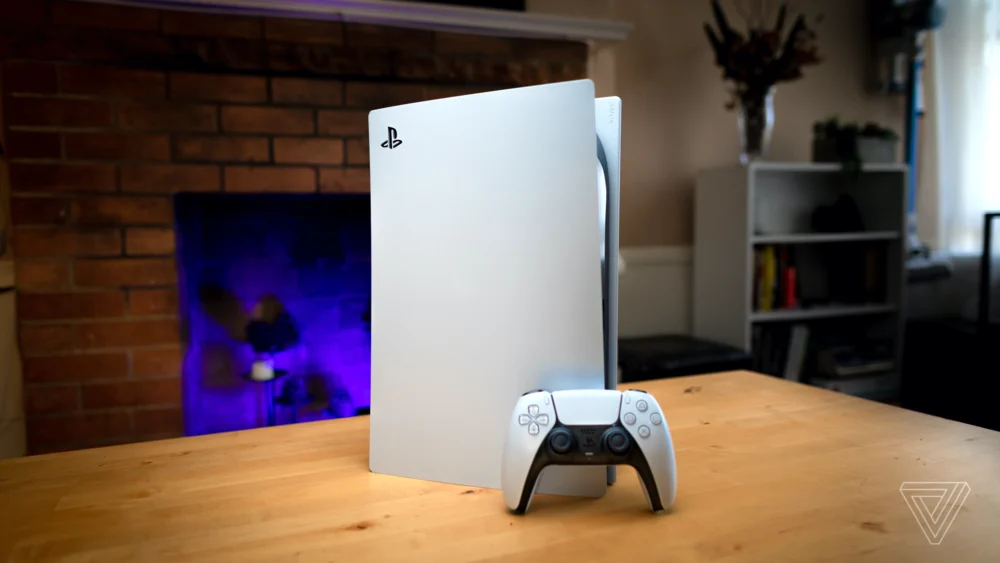
A burgeoning global shortage of essential memory chips, exacerbated by escalating demand from the artificial intelligence sector, is poised to significantly impact the release schedules and pricing strategies for upcoming video game consoles from major manufacturers like Sony and Nintendo. Industry insiders suggest that Sony may be compelled to postpone the debut of its next-generation PlayStation system by as much as two years, potentially pushing its arrival to 2028 or even 2029, while Nintendo is reportedly considering a price increase for its recently launched Switch 2 successor.
This potential delay for Sony represents a substantial departure from its established product lifecycle patterns. Historically, the company has adhered to a roughly six-to-seven-year interval between major console generations since the original PlayStation’s introduction in 1994. Given that the current PlayStation 5 console entered the market in November 2020, a typical release cadence would place its successor’s debut sometime before the end of 2027. The prolonged demand for high-capacity memory, crucial for both advanced gaming experiences and the intensive computational needs of AI development, is creating unprecedented supply chain pressures that could force Sony to recalibrate its launch timeline.
Nintendo, meanwhile, finds itself in a similar predicament, albeit with a different strategic response. While the company deliberately abstained from increasing the initial retail price of the Switch 2, a move that occurred in the wake of significant global trade policy shifts, the persistent memory chip scarcity is now prompting a reconsideration of its pricing structure. Specific details regarding the extent of any potential price adjustment for the Switch 2 remain undisclosed, but the underlying economic pressures are undeniable. The escalating cost of key components, particularly dynamic random-access memory (DRAM) and NAND flash memory, is a direct consequence of supply constraints meeting surging demand.
The current semiconductor industry landscape is characterized by a complex interplay of factors. The rapid advancements in artificial intelligence have spurred a voracious appetite for high-performance memory chips, essential for training sophisticated machine learning models and powering large language models. Data centers and AI hardware manufacturers are actively securing vast quantities of these components, creating a competitive bidding environment that drives up prices and limits availability for other sectors. This intense demand directly competes with the needs of the consumer electronics industry, including the production of gaming consoles.
For console manufacturers, memory is not merely a supporting component; it is fundamental to delivering the cutting-edge graphical fidelity, immersive gameplay, and rapid loading times that define modern gaming experiences. Next-generation consoles are designed to leverage increasingly powerful processors and graphics cards, which in turn require substantial amounts of high-bandwidth memory to operate at their full potential. A scarcity of these chips not only impedes production volume but also directly influences the cost of manufacturing each unit.

The implications of a delayed PlayStation release extend beyond the gaming community. Such a postponement could have ripple effects throughout the broader technology and entertainment industries. It might influence the development timelines of game studios that rely on new console hardware for their most ambitious projects, potentially leading to shifts in game release schedules and even influencing the types of games that are prioritized. Furthermore, a prolonged console generation cycle could impact the adoption rate of new gaming technologies and services.
Similarly, a price increase for the Nintendo Switch 2, while potentially necessary for profitability, could affect consumer purchasing decisions. Nintendo has built a strong brand loyalty through its focus on accessible and innovative gaming experiences. Any significant price hike could test the resilience of that loyalty, particularly in a market where consumers are increasingly price-sensitive due to broader economic factors.
The semiconductor supply chain is notoriously intricate, involving numerous stages from raw material extraction and wafer fabrication to assembly, testing, and distribution. Disruptions at any point in this chain can have cascading effects. Geopolitical tensions, natural disasters, and unexpected surges in demand can all contribute to shortages. The current situation highlights the critical importance of memory chips not just for consumer electronics but for the foundational infrastructure of the digital economy, including artificial intelligence and cloud computing.
Industry analysts have long predicted that the insatiable demand for computing power, particularly driven by AI, would eventually lead to significant supply chain bottlenecks. The current memory shortage is a tangible manifestation of these predictions, underscoring the industry’s reliance on a limited number of key component manufacturers. The concentration of memory production among a few global players means that any disruption or surge in demand can have widespread consequences.
Looking ahead, the situation presents a complex challenge for both console manufacturers and their component suppliers. Sony and Nintendo will need to navigate these supply constraints strategically, potentially by diversifying their sourcing strategies, investing in long-term supply agreements, or even exploring alternative memory technologies if they become viable. The ability to secure a stable and cost-effective supply of memory chips will be a critical determinant of their future success.
For consumers, the immediate future may involve a period of uncertainty regarding the availability and pricing of new gaming hardware. The allure of next-generation gaming experiences is strong, but the economic realities of component scarcity could mean that consumers will either face longer waiting times or higher price points. The current situation serves as a stark reminder of the interconnectedness of global technology markets and the profound impact that shifts in one sector, like the booming AI industry, can have on seemingly disparate markets, such as video game consoles. The ongoing evolution of the semiconductor landscape will undoubtedly continue to shape the future of interactive entertainment for years to come.




 Ridwan Kamil

 Lisa Mariana
 Ayu Aulia