Ayu Aulia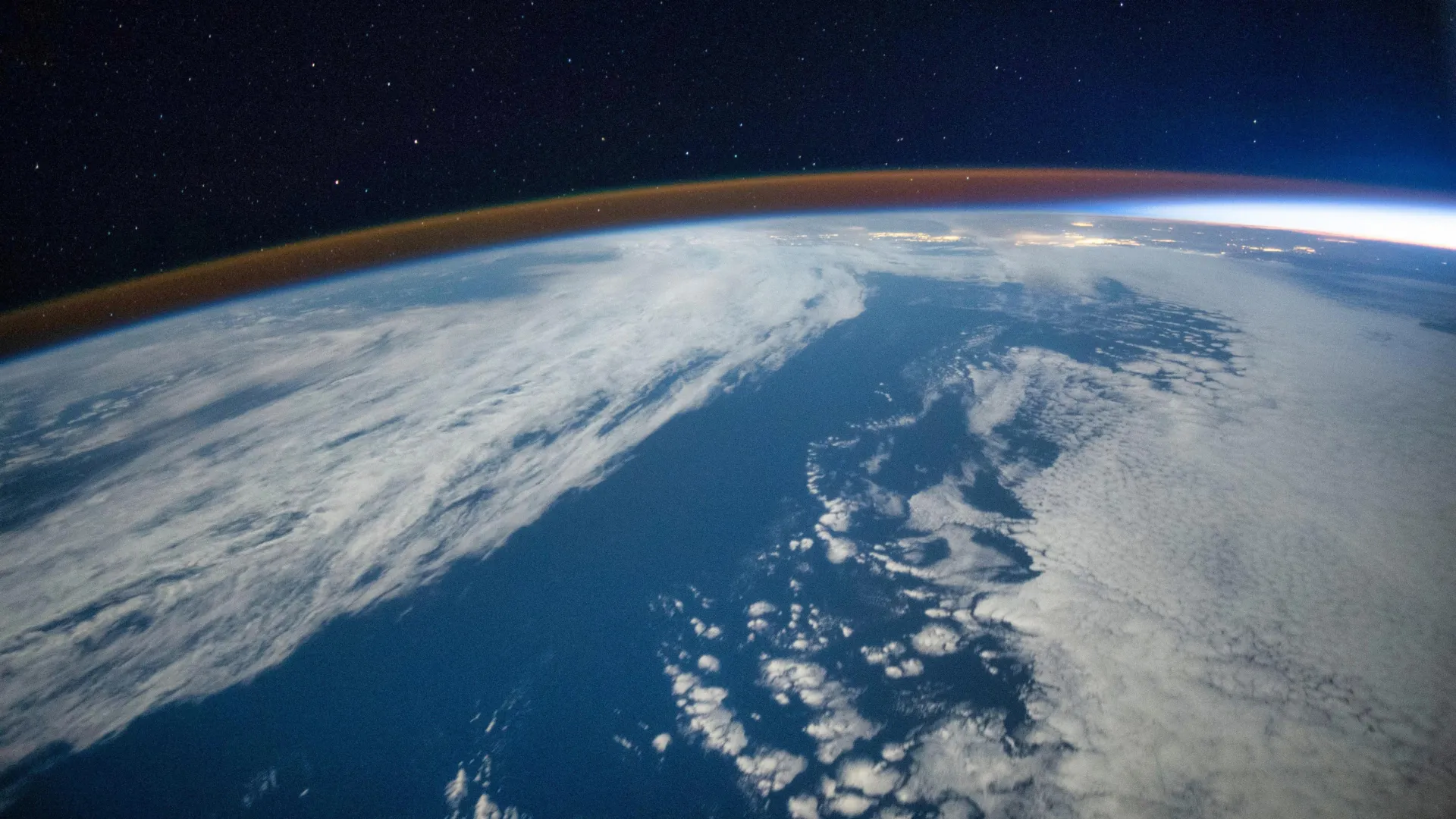
Humanity’s concerted efforts to protect the Earth’s vital stratospheric ozone layer have, ironically, given rise to an unforeseen and pervasive environmental challenge. A groundbreaking new study has illuminated how the very chemicals developed as substitutes for ozone-depleting substances have inadvertently catalyzed the widespread distribution and subsequent deposition of a highly persistent and potentially detrimental "forever chemical" across the planet. This ongoing, silent atmospheric fallout, characterized by its long-term accumulation, highlights the intricate and often delayed ecological ramifications of large-scale chemical interventions.
Scientists specializing in atmospheric chemistry, spearheaded by a research team at Lancaster University, have for the first time quantified the global accumulation of this particular pollutant. Their meticulous analysis estimates that a staggering 335,500 tonnes of trifluoroacetic acid (TFA) settled from the atmosphere onto the Earth’s surface between the years 2000 and 2022. This substantial deposition is directly linked to the atmospheric breakdown of chemicals designed to replace chlorofluorocarbons (CFCs), alongside certain anesthetic gases, revealing a complex legacy of environmental management decisions.
An Unfolding Accumulation: The Rising Tide of a Persistent Pollutant
The findings paint a concerning picture of a problem far from its zenith. Many of the replacement chemicals for CFCs exhibit extended atmospheric lifetimes, often persisting for several decades. This inherent longevity ensures that TFA will continue to be generated and enter the environment long after the initial emissions of its precursor compounds have ceased. Researchers project that the annual production of TFA from these sources could reach its peak at any point between 2025 and 2100, indicating a protracted period of increasing environmental burden.
The comprehensive insights derived from this study were formally published in the esteemed journal Geophysical Research Letters. The scientific methodology underpinning these conclusions involved sophisticated chemical transport modeling. This advanced computational technique enables researchers to accurately simulate the complex atmospheric pathways of chemicals, including their circulation patterns, transformation processes, and eventual deposition onto terrestrial and aquatic surfaces. Such models are critical for understanding the global reach and long-term fate of airborne pollutants.
The Origins: Deconstructing the Sources of TFA
Utilizing this robust modeling approach, the research team meticulously measured the formation of TFA as specific gases undergo chemical degradation in the atmosphere. Key among these precursor compounds are hydrochlorofluorocarbons (HCFCs) and hydrofluorocarbons (HFCs). These substances have been extensively employed in diverse applications, most notably in refrigeration systems, air conditioning units, and as propellants in various industrial and consumer products. Additionally, certain compounds utilized as inhalation anesthetics in medical settings were identified as significant contributors to atmospheric TFA.
These fluorinated gases, collectively known as F-gases, have been subject to international regulatory efforts aimed at phasing them out. The landmark Montreal Protocol, initially established to address ozone layer depletion, and its subsequent Kigali Amendment, which targets climate-warming HFCs, represent pivotal global agreements in environmental governance. Despite these regulatory frameworks and the ongoing phase-out schedules, the overall atmospheric concentration of these F-gases continues to rise, underscoring the challenge of managing compounds with long atmospheric lifetimes and widespread legacy use.
TFA: A Member of the "Forever Chemical" Family
Trifluoroacetic acid (TFA) belongs to the broader and increasingly scrutinized family of per- and polyfluorinated alkyl substances, universally abbreviated as PFAS. These entirely man-made chemicals are colloquially referred to as "forever chemicals" due to their extraordinary resistance to natural degradation processes. Their robust chemical bonds, particularly the carbon-fluorine bond, render them exceptionally stable, allowing them to persist in the environment for exceptionally long periods, often spanning centuries or even millennia. This persistence is a defining characteristic that distinguishes PFAS from many other environmental pollutants and contributes significantly to concerns regarding their long-term accumulation and impact.
The pervasive nature of PFAS compounds extends far beyond refrigerants. They have been widely incorporated into countless industrial and consumer products, valued for their unique properties such as water and oil repellency, heat resistance, and friction reduction. Examples include non-stick cookware, water-resistant textiles, stain-resistant carpets, firefighting foams, and various industrial surfactants. The sheer ubiquity of this chemical class means that TFA, as a breakdown product, is part of a much larger, global chemical footprint, further complicating its assessment and management.
Unanswered Questions: Environmental and Health Implications
The scientific community is still actively engaged in refining its understanding of TFA’s potential environmental and health effects. The European Chemicals Agency (ECHA), a key regulatory body, has already classified TFA as harmful to aquatic life, suggesting potential adverse impacts on freshwater and marine ecosystems. Furthermore, TFA has been detected in human biological samples, specifically in blood and urine, indicating human exposure. Of particular concern, the German Federal Office for Chemicals recently proposed classifying TFA as potentially toxic to human reproduction, a designation that would carry significant regulatory implications and necessitate further investigation into its effects on human health.
While some regulatory bodies currently maintain that existing environmental levels of TFA are below thresholds anticipated to cause direct harm to human populations, there is a palpable and escalating concern regarding its steady, pervasive, and potentially irreversible buildup. This apprehension has prompted growing calls for TFA to be formally recognized and managed as a planetary boundary threat. The concept of planetary boundaries identifies critical environmental limits that humanity should not transgress to avoid irreversible environmental change. For a chemical like TFA, its persistence, global distribution, and increasing concentrations raise questions about whether it is pushing against such a boundary, necessitating a re-evaluation of its environmental risk profile.
"Our comprehensive study provides compelling evidence that the substances used as replacements for CFCs are likely the predominant atmospheric source of TFA," stated Lucy Hart, a PhD researcher at Lancaster University and the lead author of the study. "This finding critically underscores the broader, often unforeseen risks that must be meticulously considered by regulatory frameworks when substituting harmful chemicals, even those as destructive as ozone-depleting CFCs." Her remarks emphasize the need for a holistic, lifecycle approach to chemical assessment, moving beyond single-issue problem-solving.
Validating the Models: Bridging Theory and Observation
To ensure the robustness and accuracy of their conclusions, the researchers undertook a crucial validation process. They systematically compared their modeled estimates of TFA formation and subsequent deposition with empirical, real-world measurements. This included leveraging invaluable data extracted from Arctic ice cores, which serve as historical archives of atmospheric composition, and an extensive collection of rainwater samples gathered from various locations across the globe. This corroboration between theoretical models and observed environmental data significantly strengthens the study’s findings.
The atmospheric model was meticulously fed with detailed information regarding the quantity and geographical distribution of the source gases. This crucial input was sourced from a sophisticated global monitoring network, which continuously tracks the presence and concentrations of various atmospheric compounds. As these precursor gases interact with other constituents of the atmosphere, they undergo intricate chemical transformations, ultimately leading to the generation of TFA. The simulations also incorporated prevailing weather patterns, enabling the researchers to accurately predict the transport and eventual deposition pathways of TFA, whether through removal from clouds by rainfall or direct settling from the air onto land and water surfaces.
Arctic Insights: A Global Reach Revealed
The study’s findings regarding the Arctic region are particularly striking. The results indicate that virtually all of the TFA detected in Arctic environments originates from CFC replacement chemicals, despite the fact that this remote polar region is geographically distant from major emission sources. This compelling observation unequivocally highlights the immense geographical reach and widespread distribution of TFA pollution across the entire planet. The atmosphere acts as a vast transport mechanism, carrying these persistent chemicals thousands of kilometers from their points of origin.
"The replacement chemicals for CFCs possess exceptionally long atmospheric lifetimes, enabling them to be transported efficiently from their initial emission points to geographically remote regions such as the Arctic," explained Lucy Hart. "Once in these distant locations, they can then break down to form TFA. Previous studies have documented increasing levels of TFA in remote Arctic ice cores, and our current research provides the first conclusive evidence that virtually all of these accumulated deposits can be directly attributed to the atmospheric breakdown of these specific gases." This direct link between source and remote sink is a critical advancement in understanding global chemical cycles.
The Next Generation of Refrigerants: A New Layer of Uncertainty
Beyond the polar regions, the study identifies additional, emerging sources of concern. In mid-latitude locations, the modeling data provides further support for a growing body of evidence suggesting that HFO-1234yf is becoming an increasingly important and likely expanding source of atmospheric TFA. HFO-1234yf is a hydrofluoroolefin (HFO) commonly employed in automotive air conditioning systems, particularly in Europe and North America, as a "climate-friendly" alternative to older HFC refrigerants.
"HFOs represent the latest generation of synthetic refrigerants, specifically marketed as environmentally conscious alternatives to HFCs due to their significantly lower global warming potential," noted Professor Ryan Hossaini of Lancaster University, a co-author of the study. "However, it is now well-established that a number of HFOs are precursors to TFA formation. The accelerating global adoption of these chemicals, particularly for car air conditioning systems in major markets, introduces an additional layer of uncertainty regarding future levels of TFA in our shared environment." Professor Hossaini underscored the urgent need to address environmental TFA pollution, given its pervasive nature, extreme persistence, and steadily increasing concentrations.
A Call for Coordinated Global Monitoring and Decisive Action
"The observable rise in TFA levels stemming from F-gases is undeniably striking. While the use of HFCs is gradually being phased down globally, this specific source of TFA will unfortunately remain with us for many decades to come due to the longevity of these compounds in the atmosphere," Professor Hossaini elaborated. "There is an urgent imperative to thoroughly understand other potential sources of TFA and to comprehensively assess its full spectrum of environmental impacts. This monumental task demands a concerted and unified international effort, including the establishment of far more extensive TFA monitoring programs in the United Kingdom and across the globe."
Professor Cris Halsall, Director of the Lancaster Environment Centre and a co-author, emphasized that the origins of TFA are demonstrably broader and more diverse than previously understood. "For a considerable period, we primarily viewed TFA as a breakdown product resulting from the use of a limited number of fluorinated pesticides. However, it is now unequivocally clear that TFA, an exceptionally persistent chemical in the environment, arises from the utilization and subsequent breakdown of a vast and diverse array of organofluorine chemicals. This includes not only refrigerants but also solvents, various pharmaceuticals, and the expansive PFAS group in general." This broader understanding necessitates a systemic approach to chemical regulation.
Dr. Stefan Reimann, whose research group in Switzerland meticulously tracks TFA-forming F-gases in the atmosphere, confirmed that the observed trend of increasing TFA is consistent across all global regions. "In every region where reliable TFA measurements are available, a consistent and worrying picture of increasing atmospheric concentrations and enhanced deposition to the Earth’s surface is emerging," he stated. "This particular study stands out as it represents the first comprehensive effort to combine all significant sources of atmospheric TFA within a global framework. With the increasing reliance on HFOs, the accumulation of TFA in global water bodies is poised to grow further, thereby making long-term, continuous monitoring an absolute necessity for informed environmental management."
The detailed findings and scientific methodology of this critical research are meticulously presented in the paper titled ‘Growth in production and environmental deposition of trifluoroacetic acid due to long-lived CFC replacements and anesthetics’. The collaborative endeavor involved a distinguished roster of researchers from a broad spectrum of international institutions, including Lancaster University, the University of Leeds, the University of Urbino, the Commonwealth Scientific and Industrial Research Organisation (Australia), the Norwegian Institute for Air Research, the University of California San Diego, the University of Bristol, Kyungpook National University (Korea), the Swiss Federal Laboratories for Materials Science and Technology, and the Goethe University Frankfurt. This global collaboration underscores the widespread recognition of TFA as a significant and complex environmental challenge demanding an international scientific response.




 Aura Kasih
 Lisa Mariana

 Ridwan Kamil