Ridwan Kamil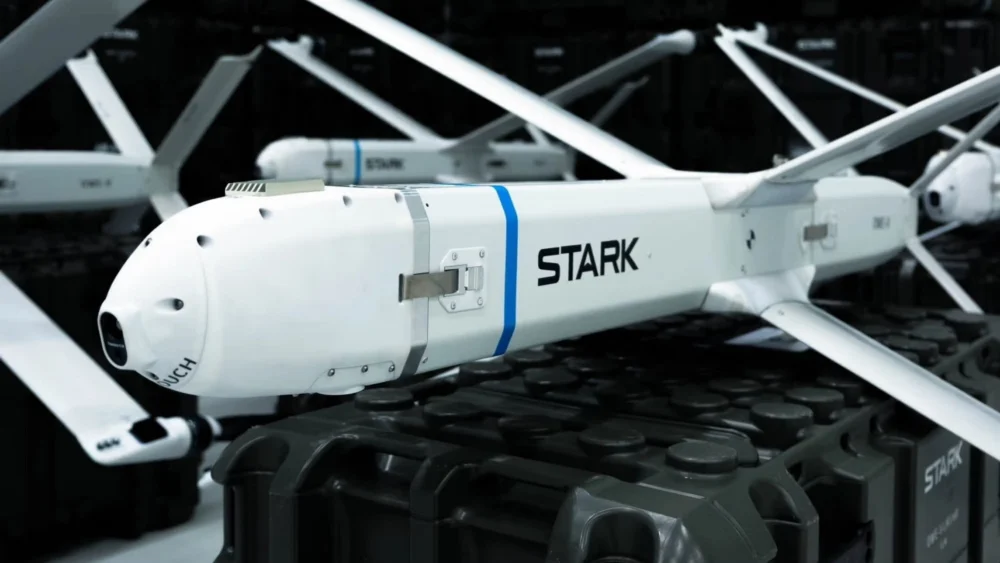
Berlin, Germany – In a significant move reflecting growing parliamentary scrutiny over the ethical and strategic implications of advanced military technology, German lawmakers have decided to suspend contracts for a new generation of unmanned aerial systems, commonly referred to as "kamikaze drones." This decision impacts a procurement process that has drawn attention due to the involvement of prominent technology investors, including Peter Thiel and Daniel Ek, through their respective investment vehicles. The move signals a broader debate within Germany and across Europe regarding the responsible development and deployment of autonomous weapons systems.
The core of the parliamentary objection appears to stem from a confluence of concerns. Foremost among these is the increasing reliance on artificial intelligence (AI) in weaponry and the potential for autonomous decision-making capabilities within these systems. Lawmakers are reportedly grappling with the ethical quandaries of delegating lethal force decisions to machines, particularly in complex and rapidly evolving battlefield scenarios. The concept of "kamikaze drones," or loitering munitions, which are designed to seek out targets and then detonate upon impact, inherently raises questions about human oversight and accountability in their deployment.
Furthermore, the involvement of high-profile venture capitalists and entrepreneurs like Peter Thiel, known for his investments in Palantir Technologies and his influential role in Silicon Valley, and Daniel Ek, the co-founder of Spotify, has brought an additional layer of scrutiny. While investors often play a crucial role in funding technological advancements, their participation in the defense sector, particularly in the development of AI-powered autonomous weapons, has become a focal point for ethical and political debate. Concerns are being raised about the potential for private financial interests to shape national defense strategies and the implications of such influence on democratic oversight.
The decision by the German parliament is not merely a bureaucratic hurdle; it represents a critical juncture in the nation’s defense modernization efforts and its approach to emerging military technologies. Germany, as a leading economic power and a central player in European security, has a significant influence on the trajectory of defense procurement and technological standards across the continent. This halt in the kamikaze drone contracts could embolden similar debates in other European nations, potentially slowing down the adoption of such systems or leading to more stringent regulatory frameworks.
To fully understand the ramifications of this decision, it is essential to delve into the broader context of the global defense industry and the accelerating integration of AI. The development of unmanned aerial systems has been a key area of investment and innovation for defense ministries worldwide. These systems offer distinct advantages, including reduced risk to human personnel, enhanced surveillance capabilities, and precision strike potential. Kamikaze drones, in particular, are seen as a cost-effective and versatile solution for engaging a range of targets, from armored vehicles to enemy fortifications.
However, the very autonomy that makes these systems attractive also presents significant challenges. The ethical framework surrounding the use of lethal autonomous weapons systems (LAWS) is a subject of intense international discussion, with varying perspectives among nations and within civil society. Critics argue that LAWS could lower the threshold for engaging in conflict, lead to unintended escalation, and blur the lines of responsibility in cases of civilian casualties or war crimes. The concept of "meaningful human control" over the use of force is a central tenet of these discussions, and the extent to which AI-driven drones can adhere to this principle remains a subject of contention.
The involvement of investors like Peter Thiel adds another dimension to the debate. Thiel’s past association with controversial technologies and his outspoken views on various political and economic issues mean that his investments in the defense sector are closely watched. His backing of companies involved in AI and data analysis for defense applications suggests a belief in the transformative potential of these technologies for national security. Similarly, Daniel Ek’s investment portfolio, while often focused on technology and media, can extend into areas that intersect with national interests, including cybersecurity and advanced infrastructure. The presence of such figures in the funding of these advanced drone systems inevitably raises questions about the motivations and potential influence of private capital in shaping military capabilities.
The German parliamentary committee responsible for defense procurement is likely undertaking a thorough review of the proposed drone systems, focusing on aspects such as:
- Ethical Safeguards: The extent to which the AI systems can distinguish between combatants and non-combatants, the mechanisms for human oversight and intervention, and the protocols for de-escalation and aborting missions.
- Technical Reliability and Accuracy: The precision of the targeting systems, the potential for malfunction or misidentification, and the robustness of the AI against cyber-attacks or spoofing.
- Accountability Frameworks: Clear lines of responsibility in the event of errors or unintended consequences, including who is accountable for the actions of an autonomous weapon.
- Strategic Implications: How the deployment of such systems aligns with Germany’s foreign policy objectives, its role within NATO and the European Union, and its commitment to international humanitarian law.
- Public Perception and Democratic Legitimacy: The broader societal acceptance of autonomous weapons and the need for transparency and public discourse on their development and use.
The current procurement process for these kamikaze drones likely involves specific manufacturers and technological providers. The involvement of Thiel and Ek suggests that their investment firms may be shareholders or have provided funding to companies involved in the development or supply chain of these systems. Identifying these specific entities and understanding their technological contributions will be crucial for a comprehensive analysis of the situation.
The implications of this parliamentary decision extend beyond Germany’s immediate defense needs. It signals a potential shift in how European nations approach the acquisition of cutting-edge military technology, particularly systems that raise significant ethical questions. If Germany, with its strong democratic traditions and commitment to human rights, decides to impose stricter controls or even halt the procurement of certain AI-driven weapons, it could set a precedent for other European countries. This could lead to a more cautious and ethically grounded approach to defense modernization across the continent, prioritizing human control and accountability over rapid technological adoption.
Furthermore, this development highlights the growing tension between the rapid pace of technological innovation and the slower, deliberative processes of democratic governance. The private sector, driven by profit motives and the pursuit of technological breakthroughs, can develop capabilities that outpace the ability of governments to regulate and legislate effectively. The German parliament’s action suggests a desire to reassert democratic control over the direction of military technology and to ensure that national security strategies are aligned with ethical principles and societal values.
The future outlook for kamikaze drones and other AI-driven autonomous weapons in Germany and Europe remains uncertain. The parliamentary pause provides an opportunity for a more robust debate, for the development of clearer ethical guidelines, and for potentially more stringent regulatory frameworks. It is possible that the procurement process could be restarted at a later date, with revised specifications and enhanced oversight mechanisms. Alternatively, Germany might choose to pursue alternative defense solutions that do not involve the same level of autonomous decision-making in lethal force applications.
The broader international community will be closely observing these developments. The United Nations Convention on Certain Conventional Weapons (CCW) has been a forum for discussions on LAWS, but progress has been slow due to differing national interests. A strong stance from a major European power like Germany could lend significant momentum to calls for international regulation or even a ban on certain categories of autonomous weapons.
In conclusion, the German parliament’s decision to halt contracts for kamikaze drones backed by prominent tech investors is a multifaceted development with significant implications for national defense, technological ethics, and international security policy. It underscores the growing complexity of integrating advanced AI into military systems and the critical need for robust parliamentary oversight, ethical deliberation, and public discourse to ensure that technological advancements serve, rather than undermine, democratic values and humanitarian principles. The coming months will likely reveal the full extent of this parliamentary intervention and its long-term impact on the future of autonomous warfare.




 Lisa Mariana
 Aura Kasih