Ridwan Kamil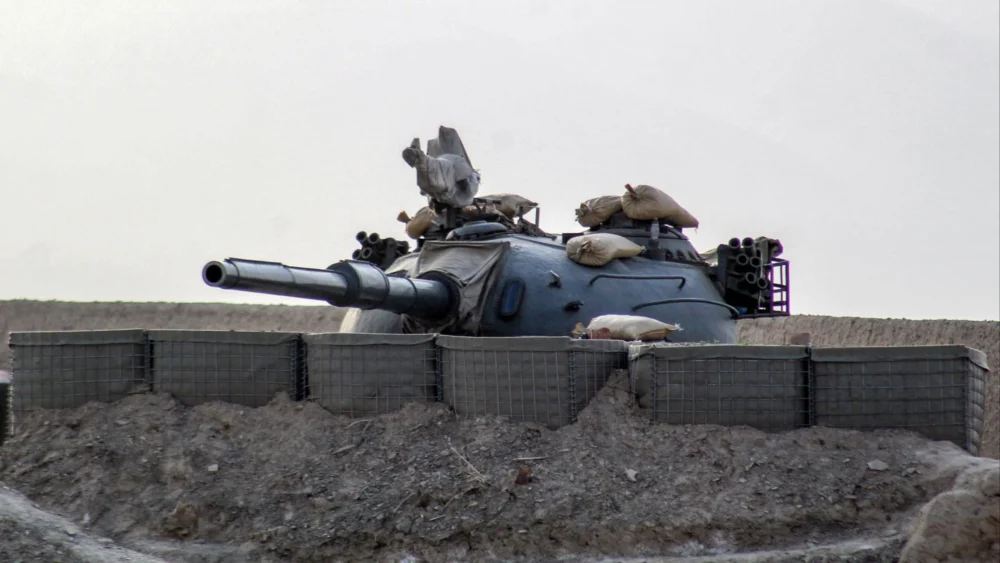
Pakistan has launched a significant aerial offensive targeting alleged militant sanctuaries and command centers within Afghanistan, including areas in and around the capital city of Kabul, marking a dramatic and potentially destabilizing escalation in the long-standing security tensions between the two nations. The strikes, reportedly aimed at dismantling networks responsible for cross-border terrorist activities, have raised serious concerns about regional stability and the fragile security landscape of Afghanistan under Taliban rule.
The recent military actions undertaken by Pakistan represent a sharp deterioration in the already strained relations with Afghanistan, signaling a willingness to engage in direct kinetic operations across the Durand Line. For years, Islamabad has voiced persistent grievances regarding the sanctuary provided to Tehrik-i-Taliban Pakistan (TTP) and other militant groups operating from Afghan soil. These groups have been blamed for a surge in terrorist attacks within Pakistan, particularly in the Khyber Pakhtunkhwa province, which shares a porous and historically contested border with Afghanistan. The Pakistani government has repeatedly urged the Taliban administration to take decisive action against these elements, citing intelligence that indicates their presence and operational capacity within Afghanistan. However, these appeals have largely gone unheeded, or at least, have not yielded the results Pakistan deems sufficient, leading to this forceful intervention.
The strategic rationale behind Pakistan’s decision to conduct airstrikes appears to be rooted in a perceived failure of diplomatic and cooperative measures to curb cross-border terrorism. The TTP, in particular, has demonstrated an alarming resurgence in its operational capabilities over the past few years, launching increasingly sophisticated and deadly attacks against Pakistani security forces and civilian targets. These attacks have not only exacted a heavy toll in terms of human lives and infrastructure but have also exacerbated internal security challenges within Pakistan, impacting economic activity and public confidence. The Pakistani military leadership has, therefore, likely concluded that a more assertive approach is necessary to degrade the TTP’s capabilities and deter future attacks. The targeting of alleged command and control centers suggests an attempt to disrupt the organizational structure of these groups, sever their lines of communication, and impede their ability to plan and execute operations.
The involvement of Kabul, the Afghan capital, in the scope of these strikes is particularly noteworthy and carries significant implications. While the precise targets within Kabul and its immediate vicinity have not been officially detailed, any strikes in or near a major urban center invariably raise concerns about collateral damage and civilian casualties. Furthermore, the targeting of areas close to the seat of the Afghan government underscores the depth of Pakistan’s frustration and its perceived lack of viable alternatives. It also signifies a direct challenge to the Taliban’s authority and their ability to control their territory and prevent its use by hostile actors.
The Taliban, upon seizing control of Afghanistan in August 2021, pledged to ensure that Afghan soil would not be used to threaten any country. However, their capacity and willingness to enforce this commitment, particularly against groups that have historically operated within Afghanistan, have been a constant source of contention with neighboring states. The current Pakistani airstrikes will undoubtedly test this commitment further and could lead to a severe diplomatic fallout. The Taliban regime, already facing international isolation and economic hardship, will be under immense pressure to respond. Their response will be critical in shaping the future trajectory of Pakistan-Afghanistan relations and could have broader regional security ramifications.
From an analytical perspective, several key factors are likely at play. Firstly, the domestic political landscape within Pakistan may be influencing this decision. The government and military may be seeking to demonstrate a strong stance against terrorism to appease public sentiment and bolster their image as protectors of national security. Secondly, the strategic calculus regarding the balance of power and influence in the region, particularly in the context of evolving geopolitical dynamics, could also be a contributing factor. Pakistan may perceive an opportunity or a necessity to assert its security interests unilaterally if it believes its concerns are not being adequately addressed through other channels.
The implications of these strikes are far-reaching. For Afghanistan, it represents a direct infringement on its sovereignty and a potential destabilizing force, especially given the precarious security situation and the ongoing humanitarian crisis. It could further embolden hardline elements within the Taliban and potentially lead to a more confrontational posture towards Pakistan. For Pakistan, while it might offer short-term domestic political gains and a perceived demonstration of strength, it carries the significant risk of retaliatory attacks from militant groups, a prolonged period of diplomatic tension with Kabul, and potential international condemnation.
The international community, which has been closely monitoring the security situation in Afghanistan, will likely express deep concern. The United Nations, regional organizations, and major global powers will be calling for de-escalation and a return to dialogue. However, the effectiveness of such calls will depend on the willingness of both sides to engage constructively. The recent actions by Pakistan could also have an impact on international efforts to provide humanitarian aid and support to Afghanistan, as increased instability and cross-border tensions can complicate access and delivery.
The historical context of the Durand Line, the unresolved border dispute between Pakistan and Afghanistan, adds another layer of complexity. This line has long been a source of friction, and any military action that appears to transgress it can reignite nationalist sentiments and further inflame tensions. The TTP and other groups have often used the porous nature of this border to their advantage, and Pakistan’s attempts to secure it have historically been met with resistance from Kabul, regardless of the ruling regime.
Looking ahead, the situation remains highly volatile. The immediate focus will be on the response from the Taliban administration and the potential for further escalation. Will the Taliban retaliate militarily, or will they seek to de-escalate through diplomatic channels? The extent to which Pakistan is willing to sustain such operations will also be a crucial factor. The long-term consequences could include a deepening of the security vacuum in certain parts of Afghanistan, a further entrenchment of militant groups, and a sustained period of instability along the Pakistan-Afghanistan border, impacting regional trade, transit, and overall security. The effectiveness of Pakistan’s strategy will ultimately be judged by its ability to achieve its stated security objectives without inadvertently creating greater instability or fostering new security threats. The current trajectory suggests a period of heightened risk and uncertainty for both nations and the wider region.



 Aura Kasih
 Lisa Mariana