
 Lisa Mariana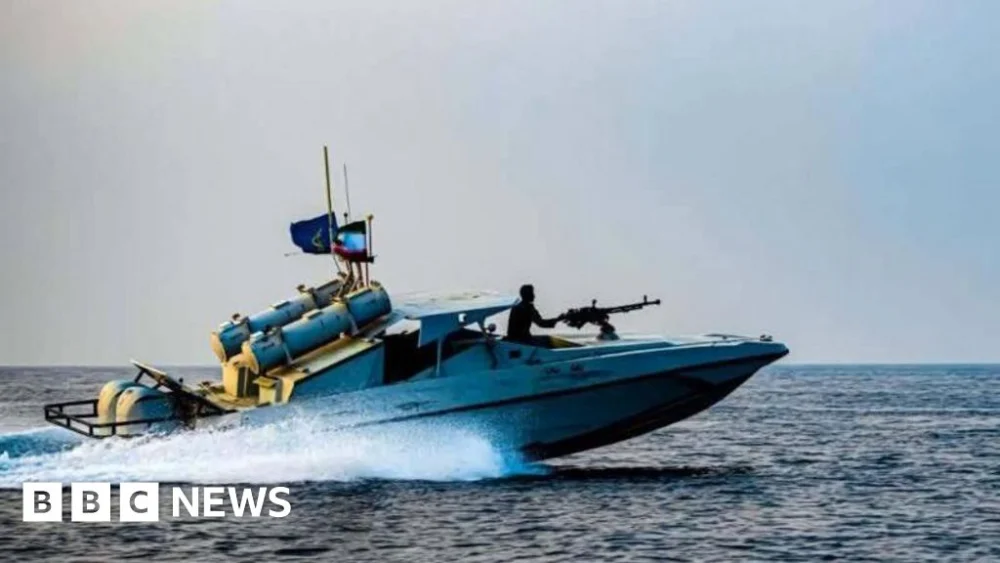
In a period marked by heightened military posturing and stark warnings across the Persian Gulf, a delicate interplay of diplomatic overtures and assertive rhetoric has emerged between the United States and Iran, signaling potential avenues for dialogue even as the risk of regional conflagration remains acutely present. President Donald Trump recently indicated that Tehran was engaged in "serious discussions" following a significant reinforcement of American military assets in the vicinity, a development paralleled by Iran’s Supreme Leader, Ayatollah Ali Khamenei, who issued a stern admonition that any offensive action against the Islamic Republic would precipitate a wider regional conflict. This complex dynamic unfolds against a backdrop of escalating tensions, economic pressures, and internal dissent within Iran, necessitating a meticulous examination of the underlying factors, potential implications, and precarious pathways forward.
President Trump’s assertion regarding "serious discussions" introduces a nuanced dimension to a relationship otherwise characterized by animosity and a "maximum pressure" campaign. While the precise nature and channels of these discussions remain unconfirmed by either side, such a statement from the American executive suggests either direct engagement or, more plausibly, indirect communication facilitated by third-party intermediaries. Nations like Oman, Qatar, Switzerland, or even Iraq have historically served as conduits for sensitive exchanges between Washington and Tehran, particularly during periods of high tension. The United States’ objectives in any such dialogue would likely encompass a comprehensive renegotiation of Iran’s nuclear program, an end to its ballistic missile development, and a curtailment of its regional influence, all points vehemently rejected by Iran as preconditions for talks. Trump expressed a desire for these negotiations to culminate in an "acceptable" outcome, implying a resolution that addresses perceived American security interests in the Middle East.
Corroborating, albeit cautiously, the notion of diplomatic momentum, Iran’s top security official, Ali Larijani, acknowledged that a framework for negotiations was indeed progressing. This declaration, coming from a senior figure within Iran’s national security apparatus, lends credence to the idea that both nations, despite public grandstanding, are exploring mechanisms to avert a direct military confrontation. However, the scope and parameters of such a framework remain a significant point of contention. From Tehran’s perspective, any meaningful dialogue must first address the punitive economic sanctions unilaterally reimposed by the U.S. following its withdrawal from the Joint Comprehensive Plan of Action (JCPOA) in 2018. Iran views these sanctions as an act of economic warfare and a violation of international agreements, insisting that their removal is a prerequisite for substantive engagement on broader issues. The chasm between these foundational demands highlights the immense challenge in translating nascent discussions into tangible diplomatic progress.
The backdrop to these tentative diplomatic signals is a formidable demonstration of military power by the United States. The deployment of the USS Abraham Lincoln aircraft carrier strike group to the region, alongside strategic bomber task forces and advanced missile defense systems, was explicitly intended to deter potential Iranian aggression and protect American interests and allies. This concentration of force, operating notably in the Arabian Sea, serves as a clear message of capability and resolve. The U.S. Central Command has publicly cautioned Iran against any "unsafe and unprofessional behavior" near its forces, a warning frequently issued in the past in response to encounters with Iranian naval vessels in international waters, particularly within the Strait of Hormuz. The strategic intent behind this military buildup is twofold: to underscore the credibility of American deterrence and to provide leverage for any potential diplomatic engagement, signaling that Washington negotiates from a position of strength.
Iran’s response to this military presence has been defiant, marrying a steadfast refusal to be intimidated with explicit warnings of severe repercussions. Ayatollah Ali Khamenei’s pronouncement that "if they start a war, this time it will be a regional war" is a potent reminder of Iran’s capacity to disrupt regional stability far beyond its borders. This threat implicates a complex web of proxy forces and allied groups across the Middle East, including in Iraq, Syria, Lebanon, and Yemen, which could be activated to target American assets and interests, as well as those of its regional partners like Saudi Arabia and Israel. Such a scenario would inevitably draw multiple actors into a wider conflict, with catastrophic humanitarian and economic consequences. Khamenei’s dismissive stance towards Trump’s deployment of ships, declaring that "The Iranian nation shall not be scared by these things," aims to project an image of resilience and resolve domestically and internationally, counteracting the psychological impact of the American military show of force.
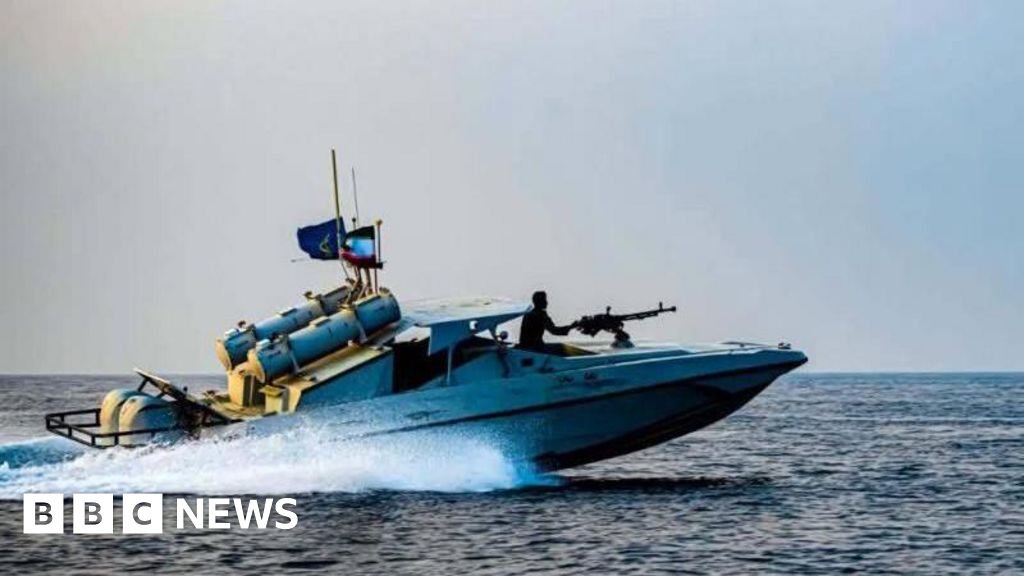
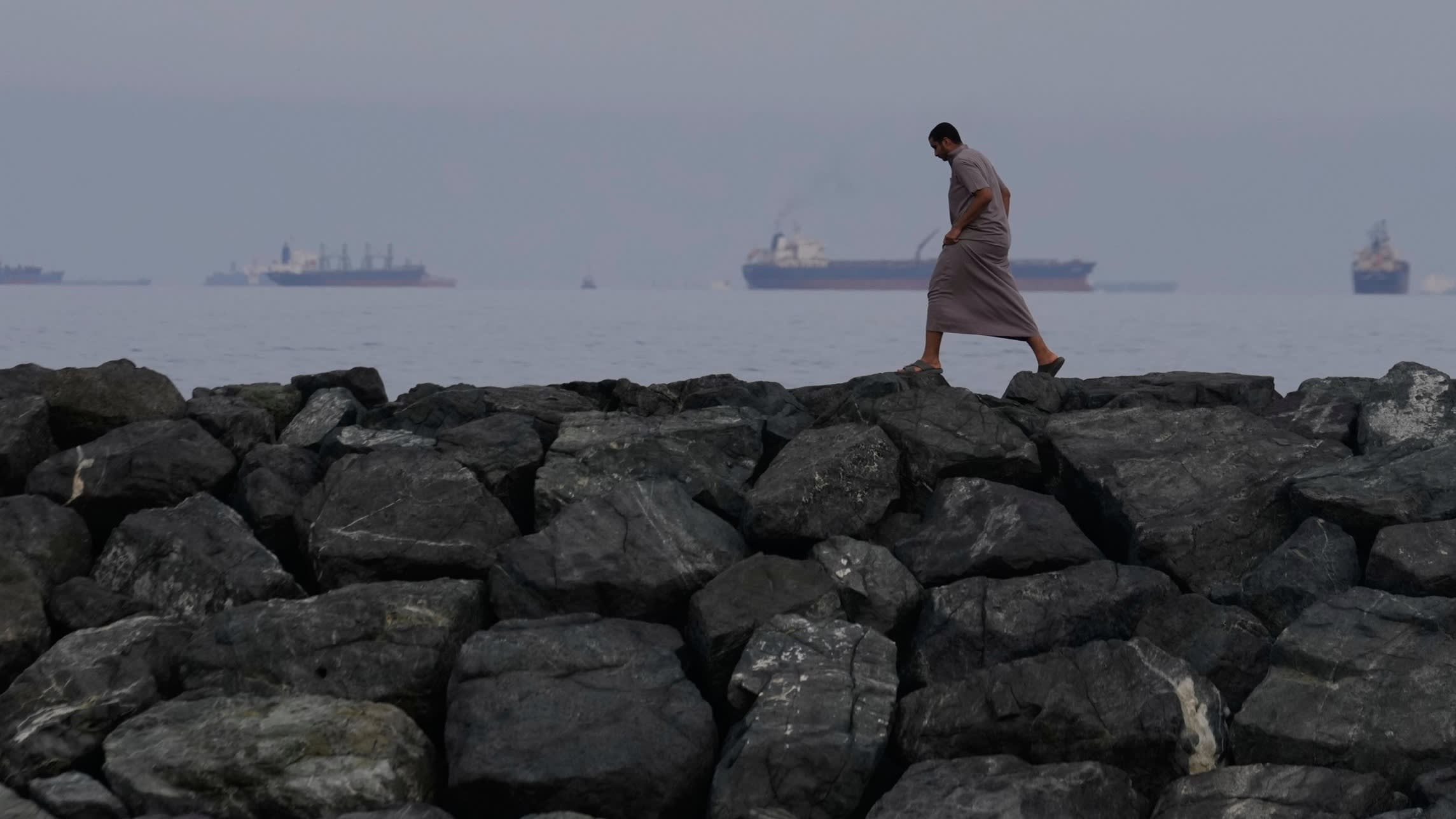
Adding another layer of complexity, Iran has announced its intention to conduct live-fire naval drills in the Strait of Hormuz, a critical maritime chokepoint through which approximately one-fifth of the world’s traded oil passes. The strait, barely 33 kilometers (21 miles) wide at its narrowest point between Iran and Oman, holds immense strategic importance for global energy markets. Iran has historically threatened to close the strait in response to perceived threats or economic blockades, a move that would send shockwaves through the global economy and likely trigger an international military response. Iran’s Foreign Minister, Abbas Araghchi, retorted sharply to American warnings, stating that "The US military is now attempting to dictate how our Powerful Armed Forces should conduct target practice in their own turf." This statement encapsulates Iran’s assertion of sovereignty and its rejection of external interference in its military exercises, particularly within its claimed territorial waters and strategic zones.
Beyond the external pressures, Iran is grappling with significant internal unrest and instability. Recent days have seen a series of unsettling incidents, including two explosions in quick succession that further heightened domestic anxiety. In the southern port city of Bandar Abbas, an explosion at a building resulted in one fatality and 14 injuries, officially attributed to a gas leak by local authorities. Simultaneously, social media reports speculating that a Revolutionary Guards Corps (IRGC) navy commander had been targeted in the blast were swiftly denied by the semi-official Tasnim news agency, underscoring the sensitivity and potential for misinformation during such tense times. Concurrently, in the southwestern city of Ahvaz, another explosion claimed at least four lives, with local officials again citing a gas leak as the cause, as reported by Iran’s Tehran Times. While official explanations point to industrial accidents, the timing of these events amidst a period of intense external pressure and internal dissent inevitably fuels speculation and contributes to an atmosphere of uncertainty and fear within the country.
The internal challenges facing the Iranian regime are significant, highlighted by widespread protests that have persisted for several months. President Trump explicitly linked potential military action to two key demands: "Number one, no nuclear. And number two, stop killing protesters." This latter demand spotlights the severe human rights situation in Iran, where security forces have brutally suppressed demonstrations. Reports from human rights organizations paint a grim picture: the US-based Human Rights Activists News Agency (HRANA) has confirmed over 6,300 fatalities since the unrest began in late December, with investigations ongoing into another 17,000 reported deaths. Further, the Norway-based Iran Human Rights (IHR) has issued a sobering warning that the final casualty count could exceed 25,000. These figures underscore the scale of the government’s crackdown and the depth of public discontent, driven by economic hardship, political repression, and a lack of fundamental freedoms.
Ayatollah Khamenei, in his public remarks, adopted a firm stance against the protesters, accusing them of attacking police, the Iranian Revolutionary Guards Corps (IRGC), and various public and private facilities including banks and mosques. He declared unequivocally that "The coup was suppressed," framing the widespread demonstrations as an organized attempt to overthrow the government rather than a spontaneous expression of grievances. This narrative is crucial for the regime, as it delegitimizes the protest movement, justifies the use of force, and consolidates support among its loyalists by portraying dissent as a foreign-backed conspiracy. The assertion of a "suppressed coup" also serves to project an image of control and stability to the international community, despite compelling evidence to the contrary regarding the scale and nature of the popular uprising.
The confluence of external military pressure, tentative diplomatic signals, and internal turmoil creates a highly volatile and unpredictable environment. The immediate future hinges on whether the current "serious discussions" can transition from preliminary exchanges to substantive negotiations, and whether both sides can find common ground on de-escalation measures. For the United States, a primary objective remains preventing Iran from acquiring nuclear weapons capability and curbing its destabilizing regional activities. For Iran, the lifting of crippling sanctions and the recognition of its legitimate security interests are paramount. However, the deep-seated mistrust, divergent strategic objectives, and the domestic political imperatives of both administrations pose formidable obstacles to any lasting resolution.
The implications of continued escalation or a breakdown in communication are profound, extending far beyond the immediate region. A military conflict in the Persian Gulf would invariably disrupt global oil supplies, trigger a surge in energy prices, and likely draw in a multitude of regional and international actors, risking a broader conflict of catastrophic proportions. Conversely, successful de-escalation and a pathway to renewed dialogue could potentially pave the way for a more stable regional security architecture, though the path to such an outcome is fraught with complexities. The international community, particularly European powers and Asian economies heavily reliant on Gulf oil, watches these developments with intense concern, advocating for diplomatic solutions and urging restraint from all parties involved. The current moment represents a critical juncture where the delicate balance between coercive diplomacy and the looming threat of conflict will determine the trajectory of one of the world’s most volatile geopolitical flashpoints.



 Aura Kasih

 Ridwan Kamil