Lisa Mariana
From April, millions of households across Great Britain will experience a notable reduction in their energy expenditures, as the national energy regulator, Ofgem, implements a significant downward adjustment to the prevailing price cap, coinciding with a comprehensive recalibration of embedded charges by governmental decree. This anticipated shift, representing a 7% decrease for a typical energy consumer, offers a degree of respite from persistently elevated utility costs, although the broader economic landscape continues to present considerable financial pressures for many. The imminent change is poised to affect virtually all customers in England, Wales, and Scotland, irrespective of their specific tariff arrangements, with the precise financial benefit varying based on individual consumption patterns and dwelling characteristics.
The Imminent Price Adjustment and Its Context
The forthcoming reduction in the energy price cap signifies a crucial turning point in the trajectory of household energy costs, which have been a dominant concern throughout the recent period of economic turbulence. For a household utilizing an average amount of gas and electricity, the monthly expenditure on variable tariffs governed by the price cap is projected to decrease by approximately £10. This translates to an annual typical bill falling by £117, settling at an estimated £1,641. This adjustment is underpinned by a combination of factors, including a moderation in wholesale energy prices from their historic peaks and strategic interventions by the government to restructure specific charges levied on consumer bills. Despite this welcome decline, energy costs remain substantially higher than pre-crisis levels, and a considerable aggregate debt burden, now exceeding £4 billion, continues to weigh on consumers and suppliers alike. This persistent financial strain underscores the ongoing imperative for households to critically evaluate their energy consumption and explore available market options.
Decoding the Energy Bill: Components and the Cap Mechanism
Understanding the composition of a domestic energy bill is essential for comprehending the dynamics of price fluctuations. A typical bill comprises several key elements: the wholesale cost of gas and electricity, which constitutes the largest proportion; charges associated with operating and maintaining the energy network infrastructure (transmission and distribution); supplier operating costs, including customer service and billing; and various policy costs designed to fund government initiatives, such as renewable energy development and energy efficiency schemes. Value Added Tax (VAT) is also applied to the total.
Ofgem’s price cap mechanism is designed to protect consumers on standard variable tariffs from predatory pricing by setting a maximum unit rate and standing charge that suppliers can levy. This cap is reviewed quarterly, allowing it to adapt to prevailing market conditions, particularly fluctuations in wholesale energy prices. The calculation for the cap is complex, incorporating a multitude of factors including forecasted wholesale prices, network costs, environmental and social obligation costs (policy costs), operating costs for suppliers, and an allowance for a reasonable profit margin. The concept of "typical usage" – often cited as 2,900 kWh for electricity and 12,000 kWh for gas annually for a dual-fuel customer – serves as a standardized benchmark for illustrating the cap’s impact, though actual consumption and therefore actual bills will diverge significantly for individual households.
Government Policy and the "Charges Shake-up"
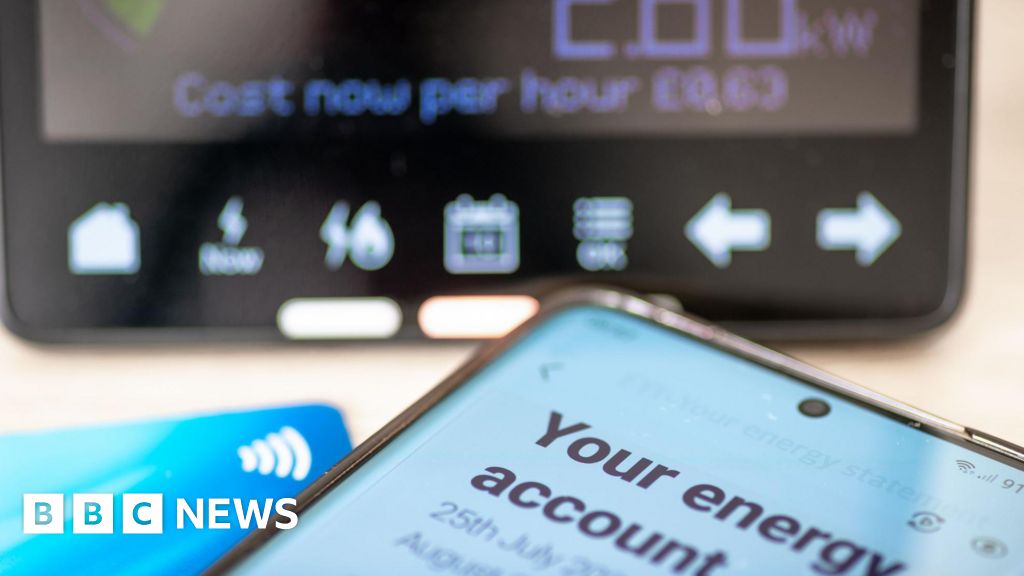
A pivotal element contributing to the April price reduction is the government’s intervention to recalibrate the "policy costs" embedded within energy bills. As announced in the November fiscal statement, this shake-up involves a two-pronged approach. Firstly, the Energy Company Obligation (ECO) scheme, originally introduced by the previous administration to mandate energy suppliers to improve the energy efficiency of homes, particularly those of vulnerable households, is slated for significant reform or potential phasing out. While noble in its objective to combat fuel poverty and reduce carbon emissions, the ECO scheme was funded through a levy added to every household’s energy bill. By either reducing the scope or re-evaluating the funding mechanism of such schemes, the direct charge on consumers can be mitigated.
Secondly, the government has committed to migrating certain other policy-related charges from direct inclusion on energy bills to be financed through general taxation. This strategic re-allocation aims to distribute the cost of national energy policies more progressively across the broader tax base, rather than disproportionately burdening energy consumers, regardless of their income. While the initial projection suggested a potential annual household saving of £150 from these policy changes, the actual reduction for a typical household governed by the price cap is now confirmed at £117. This discrepancy underscores the intricate interplay between policy adjustments and the overarching movements in wholesale energy prices, where the latter often exert a more dominant influence on the final consumer price. The government has framed these actions as tangible steps to alleviate the cost of living burden and demonstrate a commitment to stabilizing household finances.
Differentiated Impact on Households
The announced price cap reduction, while broadly beneficial, will not be uniformly experienced across all households. The primary mechanism for this reduction is a lower unit price for electricity. Consequently, households with higher electricity consumption, which may include those reliant on electric heating systems, or vulnerable individuals requiring medical equipment that consumes significant power, are likely to observe the most substantial monetary benefits. Conversely, households that primarily rely on gas for heating and cooking, with relatively lower electricity usage, will see a comparatively smaller reduction in their overall bills.
This nuanced impact highlights the diverse energy profiles across the domestic sector. For those currently on fixed-rate energy deals, the direct impact of the price cap adjustment is less immediate. However, the underlying policy cost changes will still filter through to their bills. Energy suppliers are mandated to communicate specific adjustments to fixed-deal customers in the coming weeks, detailing how these changes will affect their existing tariffs. The market is also showing nascent signs of renewed competition, with an increase in switching activity reported by Ofgem. This suggests that as wholesale prices stabilize, suppliers may begin to offer more competitive fixed-rate deals, encouraging consumers to actively engage with the market and seek out potentially better value propositions beyond the default variable cap.
Market Dynamics, Volatility, and Future Projections
The trajectory of domestic energy prices remains intrinsically linked to the volatile global wholesale gas market. Following Russia’s invasion of Ukraine four years ago, which triggered an unprecedented surge in gas prices, the market has undergone significant recalibration. While prices have retreated from their absolute peaks, they continue to be influenced by a complex array of factors including geopolitical tensions, the stability of liquefied natural gas (LNG) supplies, European gas storage levels, prevailing weather patterns, and global industrial demand.
Energy consultancy firms, such as Cornwall Insight, monitor these dynamics closely to provide forward-looking forecasts. Their current analyses suggest that while significant upward spikes are not immediately anticipated, the market could experience continued, albeit contained, volatility throughout the remainder of the year. This indicates that consumers should not expect a rapid return to pre-crisis price levels in the near term. The long-term outlook for energy prices is also influenced by the accelerating transition to renewable energy sources, which, once established, can offer greater price stability compared to fossil fuels whose costs are subject to international market forces. Enhanced competition among suppliers, spurred by lower wholesale costs, is also expected to contribute to a more dynamic market, potentially leading to a wider array of tariff options for consumers.

The Persistent Cost of Living Squeeze
Despite the welcome moderation in energy bills, the broader cost of living crisis continues to exert considerable pressure on household budgets across the nation. The relief from lower energy costs is set to be partially offset by increases in other essential expenditures. Water bills, for instance, are projected to rise sharply in certain regions, adding to the fixed overheads of households. Similarly, council tax rates are slated for an increase in many local authorities, further eroding disposable income. Various other household expenses, from food to transportation, continue to reflect inflationary pressures, collectively challenging the financial resilience of many families.
In the realm of social welfare, some adjustments are designed to provide targeted relief. For instance, the proposed scrapping of the two-child benefit cap for Universal Credit recipients is expected to provide increased financial support to larger families, offering a counterbalancing measure against other rising costs. However, the scale of financial distress is profound, evidenced by the staggering collective debt of over £4 billion owed by households to energy suppliers. This situation underscores the critical need for continued support mechanisms. Industry bodies, such as Energy UK, which represents energy suppliers, emphasize the availability of assistance. Companies are actively encouraged to offer various forms of support, including flexible payment plans, bespoke tariffs, and even the provision of energy-efficient appliances like modern refrigerators, provided they have accurate information regarding a household’s specific circumstances and vulnerabilities.
Strategic Imperatives and Long-Term Outlook
The current adjustments in energy pricing and policy underscore the multifaceted challenges and strategic imperatives facing the energy sector and government. Long-term energy strategy focuses on achieving net-zero carbon emissions, which necessitates significant investment in renewable energy infrastructure, smart grid technologies, and energy storage solutions. This transition is not only critical for environmental sustainability but also for enhancing national energy security and insulating consumers from the volatility of international fossil fuel markets.
Ofgem’s role as a vigilant regulator remains paramount in ensuring a fair and transparent market while protecting consumer interests. Its ongoing reforms aim to foster greater competition, improve market efficiency, and ensure that suppliers operate with the highest standards of consumer protection. For households, the imperative to manage energy consumption effectively remains undiminished. Embracing energy efficiency measures, utilizing smart meter data to inform usage patterns, and actively seeking out competitive tariffs are all crucial steps in empowering consumers to exert greater control over their energy expenditures. The journey towards a stable, affordable, and sustainable energy future is complex and ongoing, demanding continuous adaptation from policymakers, industry, and consumers alike.




 Aura Kasih
 Ayu Aulia