Ridwan Kamil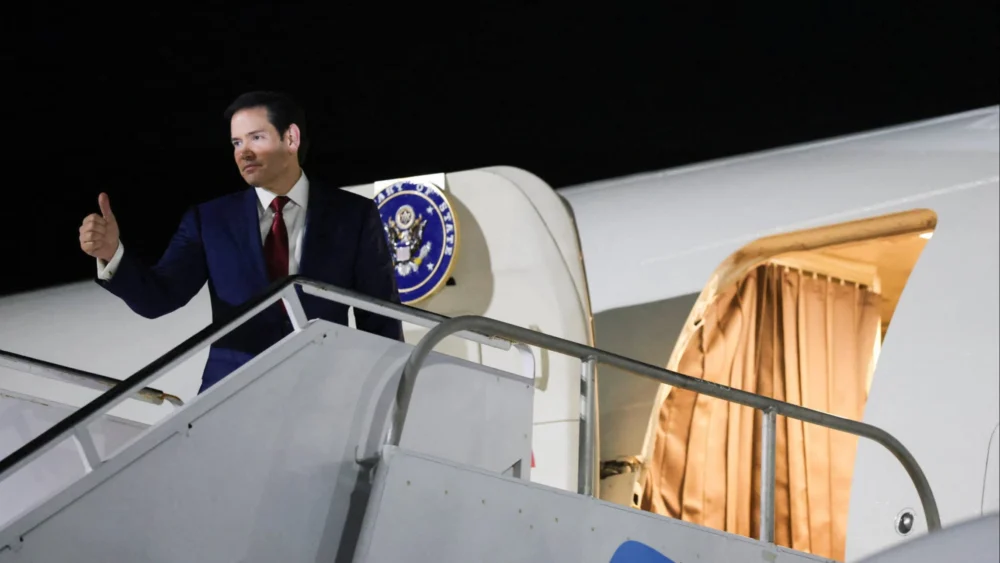
In a significant development on the international stage, representatives from the United States and Iran have reconvened for a fresh round of nuclear talks, a move that comes with a backdrop of heightened regional concerns and specific warnings from influential political figures. This latest diplomatic engagement underscores the persistent complexities and high stakes involved in managing Iran’s nuclear program, an issue that has long been a focal point of international security discussions and a source of considerable friction between Washington and Tehran.
The resumption of these critical negotiations occurs at a time when the global community is keenly observing the trajectory of Iran’s atomic ambitions. The international community, led by major world powers, has been engaged in a protracted effort to negotiate a verifiable and mutually agreeable framework that would prevent Iran from developing nuclear weapons while also ensuring its right to peaceful nuclear energy. These talks, often characterized by their intricate choreography and periods of intense pressure followed by tentative progress, are now entering a new phase, with both sides signaling a willingness to explore diplomatic avenues, albeit with significant underlying reservations and external pressures shaping the discourse.
The context for these renewed discussions is further amplified by a pointed warning issued by Senator Marco Rubio, a prominent voice in American foreign policy circles. Rubio’s intervention highlights a segment of the political spectrum that remains deeply skeptical of Iran’s intentions and advocates for a more robust stance, emphasizing the potential security ramifications should diplomatic efforts falter or if Iran were to accelerate its nuclear advancements. Such pronouncements serve as a stark reminder of the domestic political currents that inevitably influence the broader geopolitical strategies of nations involved in such sensitive negotiations. The senator’s concerns, echoing broader anxieties within certain policy circles, underscore the critical need for transparency, verifiable assurances, and a clear understanding of each party’s ultimate objectives.
A Legacy of Strained Relations and Nuclear Ambitions
The current diplomatic overtures are deeply rooted in decades of complex and often adversarial relations between the United States and Iran. Since the Iranian Revolution in 1979, official diplomatic ties have been severed, leading to a protracted period of indirect engagement, proxy conflicts, and a pervasive atmosphere of distrust. The nuclear issue itself emerged as a central point of contention in the early 2000s, as international observers began to suspect that Iran was pursuing a clandestine nuclear weapons program, a claim that Tehran has consistently denied, asserting that its nuclear activities are solely for peaceful energy purposes.
This assertion has been met with persistent skepticism due to Iran’s historical opacity regarding its nuclear facilities and activities, as well as intelligence assessments that suggest a potential for weaponization. The international community’s response has largely been a combination of sanctions, diplomatic pressure, and multilateral negotiations aimed at imposing verifiable limits on Iran’s nuclear program. The Joint Comprehensive Plan of Action (JCPOA), agreed upon in 2015 by Iran and the P5+1 countries (the United States, United Kingdom, France, Russia, China, and Germany), represented a significant, albeit temporary, diplomatic breakthrough. The JCPOA imposed stringent restrictions on Iran’s uranium enrichment activities, stockpiles, and its plutonium production, in exchange for the lifting of many international sanctions.
However, the JCPOA’s future became uncertain following the United States’ withdrawal from the agreement in 2018 under the Trump administration, which subsequently reimposed stringent sanctions on Iran. This withdrawal led to a significant escalation of tensions and prompted Iran to gradually reduce its compliance with certain aspects of the JCPOA, thereby increasing its uranium enrichment levels and expanding its nuclear capabilities. The subsequent Biden administration has expressed a desire to re-enter negotiations to revive the JCPOA, but progress has been slow, hampered by fundamental disagreements on the terms of re-engagement and the extent of sanctions relief.
The Crucial Role of Verification and Trust
At the heart of any successful resolution to Iran’s nuclear issue lies the imperative of robust verification mechanisms. International Atomic Energy Agency (IAEA) inspectors have historically played a critical role in monitoring Iran’s nuclear facilities, but their access and the scope of their inspections have been subject to ongoing negotiation and, at times, restriction by Tehran. For the United States and its allies, ensuring that Iran’s nuclear program remains strictly peaceful requires unfettered access for inspectors, comprehensive monitoring technologies, and a transparent reporting framework. The concern is that without such stringent oversight, Iran could covertly pursue a weapons path, posing a significant threat to regional and global security.
The recent talks, therefore, are likely to place a strong emphasis on strengthening these verification protocols. This could involve discussions on expanding the IAEA’s mandate, increasing the frequency and intrusiveness of inspections, and addressing any outstanding questions or concerns regarding Iran’s past nuclear activities. The establishment of a credible and reliable verification regime is not merely a technical detail; it is the cornerstone upon which trust can be rebuilt and a lasting diplomatic solution can be forged. Without it, any agreement would be inherently fragile and susceptible to breakdown.
Geopolitical Undercurrents and Regional Implications
The nuclear negotiations are inextricably linked to the broader geopolitical landscape of the Middle East. Iran’s regional influence, its support for various proxy groups, and its ongoing tensions with key U.S. allies such as Israel and Saudi Arabia all cast a long shadow over the nuclear discussions. Any perceived advancement in Iran’s nuclear capabilities is viewed with alarm by these regional players, who see it as a direct threat to their security. This dynamic creates a complex web of interests and pressures that negotiators must navigate.
Senator Rubio’s warning, for instance, likely reflects a broader concern that a lenient approach to Iran’s nuclear program could embolden Tehran and further destabilize a volatile region. Critics of engagement often argue that sanctions relief without verifiable concessions on Iran’s broader disruptive activities – including its ballistic missile program and support for regional militias – would be a strategic misstep. Conversely, proponents of diplomacy argue that isolating Iran entirely has proven counterproductive and that a negotiated settlement, however imperfect, offers the best chance of averting a nuclear-armed Iran and de-escalating regional tensions.
The current talks, therefore, are not just about uranium enrichment levels; they are also about the wider implications of Iran’s behavior in the region and the potential for a broader diplomatic realignment. The success or failure of these negotiations could have profound consequences for the security architecture of the Middle East, influencing the relationships between major powers and the stability of numerous nations.
Expert Analysis and Future Outlook
From an analytical perspective, the current round of talks represents a critical juncture. The international community is faced with a stark choice: either a sustained diplomatic effort aimed at verifiable restraint of Iran’s nuclear program, or a path that could lead to increased proliferation risks and potential military escalation. The effectiveness of the current diplomatic approach will depend on several factors.
Firstly, the degree of coordination and consensus among the P5+1 nations will be paramount. Any divergence in strategy or priorities among these key players could weaken the negotiating position and embolden Iran. Secondly, the internal political dynamics within both the United States and Iran will play a significant role. Shifting political winds in Washington or changes in leadership or policy within Tehran could drastically alter the negotiating landscape.
Thirdly, the willingness of both sides to compromise on core issues will be crucial. For the U.S. and its allies, this may involve carefully calibrated sanctions relief tied to concrete Iranian actions. For Iran, it could mean accepting stringent verification measures and potentially making concessions on aspects of its nuclear program that extend beyond purely civilian applications.
The future outlook remains uncertain. The path to a sustainable agreement is fraught with challenges, including deep-seated mistrust, competing national interests, and the ever-present risk of spoilers – actors who may seek to derail the process through provocative actions or disinformation. However, the fact that dialogue has resumed, despite the complex backdrop, suggests a recognition on both sides of the prohibitive costs of failure. The international community will be closely watching to see if this latest diplomatic engagement can yield a tangible pathway towards a more secure and predictable future, one where Iran’s nuclear program is demonstrably peaceful and its regional activities are managed within a framework of de-escalation and dialogue. The coming weeks and months will likely be decisive in shaping the trajectory of this critical geopolitical challenge.



 Aura Kasih
 Lisa Mariana