Lisa Mariana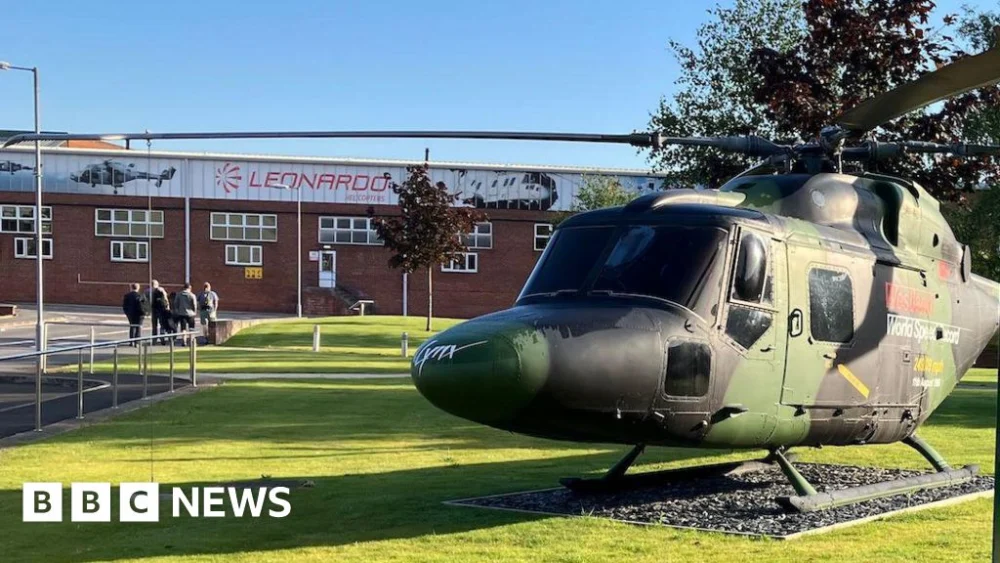
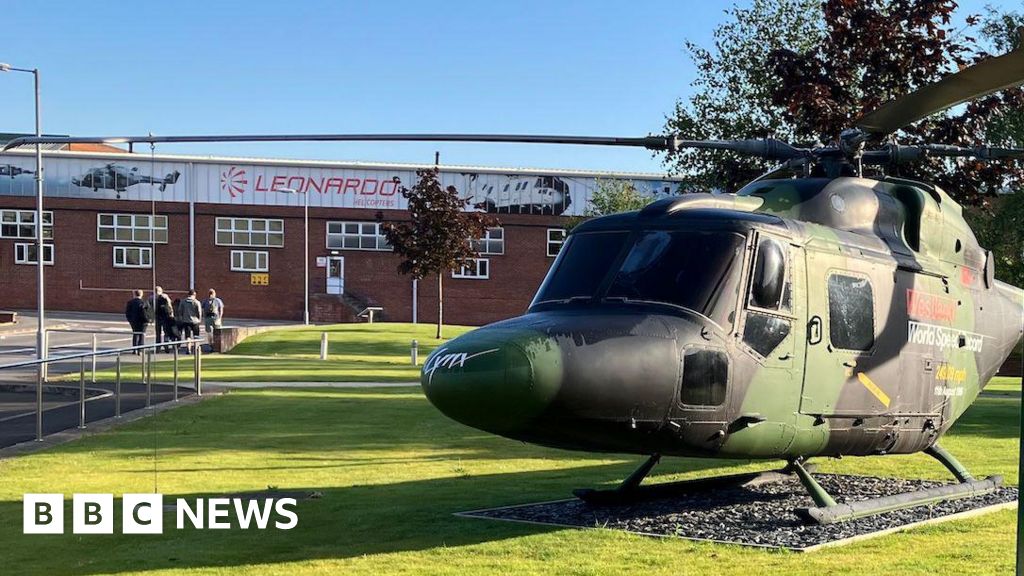
In a decisive move to bolster national security and safeguard a vital domestic industrial base, the United Kingdom government has formally sanctioned a monumental £1 billion procurement agreement for a fleet of advanced military helicopters from Leonardo’s specialist manufacturing facility in Yeovil, Somerset. This pivotal decision, coming after a period of intense deliberation and a last-minute intervention by senior political figures, guarantees the future of the nation’s sole dedicated military helicopter production site and underscores a renewed commitment to strategic defence investment.
The protracted negotiations surrounding this significant defence contract had cast a shadow of uncertainty over Leonardo’s Yeovil operations, a site of immense historical and industrial importance to the UK. The £1 billion deal encompasses the acquisition of 23 state-of-the-art defence helicopters, a critical upgrade to the UK’s rotary-wing capabilities. The contract’s approval, now confirmed, culminates a sensitive period where the factory’s very existence, and the thousands of high-skilled jobs it supports, hinged precariously on the government’s final endorsement. This resolution not only secures a key defence asset for the armed forces but also reaffirms the strategic value placed on maintaining a sovereign manufacturing capacity within the aerospace sector.
Historical Pedigree and Strategic Industrial Value
The Yeovil facility boasts a rich and storied history, tracing its origins back to 1915 under the name Westland Aircraft. For over a century, this site has been at the forefront of aviation innovation, playing an indispensable role in the development and production of aircraft, and later, helicopters, for both military and civilian applications. From its foundational contributions during the World Wars to its pivotal role in the Cold War era and its continued relevance in modern defence, Westland (and subsequently Leonardo) has been synonymous with British aerospace excellence. The factory was instrumental in producing iconic aircraft that have served the UK and its allies with distinction, including renowned models such as the Lynx, Sea King, Merlin, and Apache helicopters, albeit the latter two in a more contemporary timeframe than the 1950s. Its evolution, through various mergers and acquisitions, eventually saw it become a crucial part of the Italian aerospace and defence giant Leonardo, yet it has steadfastly retained its unique British identity and strategic importance.
The presence of the UK’s only specialist military helicopter factory is not merely a matter of historical pride; it represents a tangible and irreplaceable component of the nation’s industrial strategy and defence resilience. Maintaining such a high-tech manufacturing base ensures a degree of self-sufficiency in critical defence capabilities, reduces reliance on foreign supply chains for essential components and maintenance, and fosters an ecosystem of specialized engineering talent and technological expertise. This domestic capacity is invaluable for national security, enabling quicker response times for modifications, repairs, and technological upgrades, thereby enhancing operational readiness and strategic autonomy. The direct employment of 3,000 highly skilled individuals at the Yeovil site, complemented by an estimated 9,000 additional jobs sustained across its extensive UK supply chain, underscores the profound economic ripple effect of this industrial cornerstone. These are not merely numbers; they represent highly specialized roles in engineering, manufacturing, research and development, contributing significantly to regional prosperity and national innovation.
Navigating Political and Fiscal Hurdles: The Intervention
The journey to securing this £1 billion contract was far from straightforward, marked by considerable internal governmental debate and a last-minute flurry of high-level intervention. Originally slated for approval in the autumn, the decision faced multiple delays, creating palpable anxiety within Leonardo and the wider defence industry. The contract’s impending expiration on March 1st added an acute sense of urgency to the final stages of negotiation. A critical moment of uncertainty arose when Defence Secretary John Healey’s planned visit to the Yeovil plant, intended to formally announce the contract award, was abruptly cancelled on Thursday, signalling a breakdown in consensus or a failure to achieve final sign-off within government ranks.
This eleventh-hour snag necessitated a direct intervention from the highest echelons of government. Treasury sources have now confirmed to the BBC that Chancellor Rachel Reeves and Prime Minister Sir Keir Starmer personally stepped in to resolve the impasse, ensuring the deal would proceed. This intervention highlights the complex interplay between fiscal prudence, as typically advocated by the Treasury, and the strategic imperatives of defence and industrial policy. Chancellor Reeves, in particular, was reportedly resolute in preventing the contract’s collapse, articulating a core tenet of the government’s economic philosophy: that national security and economic growth are "fundamentally connected." This perspective reframes defence expenditure not merely as a cost but as a strategic investment that underpins economic stability, stimulates innovation, and preserves high-value employment. The Prime Minister’s direct involvement further underscores the national significance attached to the contract, aligning with his broader pledge to enhance defence spending in response to an evolving global threat landscape. The initial delay was attributed to the government’s need to finalize its comprehensive defence investment plan, indicating a desire to integrate this substantial helicopter acquisition into a broader, coherent strategic framework rather than treating it as an isolated procurement decision.
Strategic Implications for Defence and Industry
The approval of the Leonardo helicopter deal carries profound strategic implications for both the UK’s defence capabilities and its industrial future. From a defence perspective, the acquisition of 23 new helicopters represents a substantial enhancement of the armed forces’ operational capacity. While the specific model of helicopter was not detailed in the provided information, military helicopters are indispensable assets for a wide array of missions, including troop transport, special forces insertion and extraction, maritime patrol, search and rescue, logistics, and combat support. Modern rotary-wing aircraft offer unparalleled flexibility and responsiveness, critical attributes in contemporary asymmetric warfare and complex multinational operations. This investment will ensure that the UK military remains equipped with cutting-edge technology, capable of addressing current and emerging security threats effectively, whether domestically or as part of international alliances.
Beyond immediate military needs, the deal’s most significant impact reverberates through the UK’s defence industrial base. By securing the future of the Yeovil facility, the government actively preserves a crucial sovereign capability. In an increasingly volatile geopolitical environment, the ability to design, develop, manufacture, and maintain complex defence systems domestically is a strategic imperative. It mitigates the risks associated with sole reliance on foreign suppliers, such as export restrictions, technological dependencies, and potential vulnerabilities in times of crisis. The Yeovil plant, as the UK’s only dedicated military helicopter manufacturing site, embodies a unique repository of specialized skills, intellectual property, and infrastructure. Its continued operation safeguards this expertise, ensuring that the UK retains a competitive edge in advanced aerospace engineering and continues to contribute to global defence innovation. The role of Leonardo, an Italian multinational, operating this key facility also highlights the complex yet beneficial nature of international partnerships within the defence sector, balancing national interest with collaborative technological advancement.
Economic Ramifications and Future Outlook
The economic ramifications of the £1 billion Leonardo contract extend far beyond the direct financial transaction. For the Somerset region, the guaranteed future of the Yeovil factory provides immense stability and confidence. The 3,000 direct employees represent a highly skilled workforce whose expertise is cultivated over years, often decades. The loss of such a facility would have been catastrophic for the local economy, leading to a significant brain drain and severe socio-economic disruption. Furthermore, the 9,000 jobs supported within the supply chain illustrate the extensive network of smaller businesses and specialized suppliers across the UK that contribute to and depend on the Yeovil plant’s operations. This interconnected web of companies, often SMEs, forms a critical part of the UK’s advanced manufacturing ecosystem, contributing to innovation and regional economic resilience.
Looking ahead, while this contract provides a vital lifeline, the long-term viability of the Yeovil facility will depend on a consistent pipeline of future orders and strategic investment. Defence procurement cycles are inherently long and often irregular, making sustained planning a challenge for manufacturers. The government’s broader commitment, as articulated by the Prime Minister, to increase defence spending over the medium term offers a promising framework for future opportunities. This pledge signals a recognition of escalating global security threats and the need for a robust, modern military, which will inevitably necessitate further investments in advanced platforms and technologies.
However, the Yeovil plant also faces ongoing challenges, including intense global competition for defence contracts and the imperative for continuous technological advancement. To remain at the forefront of military helicopter design and production, significant investments in research and development, along with a focus on integrating cutting-edge technologies like advanced avionics, stealth capabilities, and autonomous systems, will be essential. The success of this £1 billion deal provides a crucial foundation, allowing Leonardo’s Yeovil facility to stabilize, retain its skilled workforce, and potentially pursue future export opportunities or participate in collaborative international defence projects. It is a testament to the strategic foresight of governmental leadership that such a critical national asset has been secured, reinforcing the symbiotic relationship between national security, industrial strength, and economic prosperity in the United Kingdom.




 Ayu Aulia
 Aura Kasih